AllWays Traveller Features
A neighbourhood guide to Hiroshima

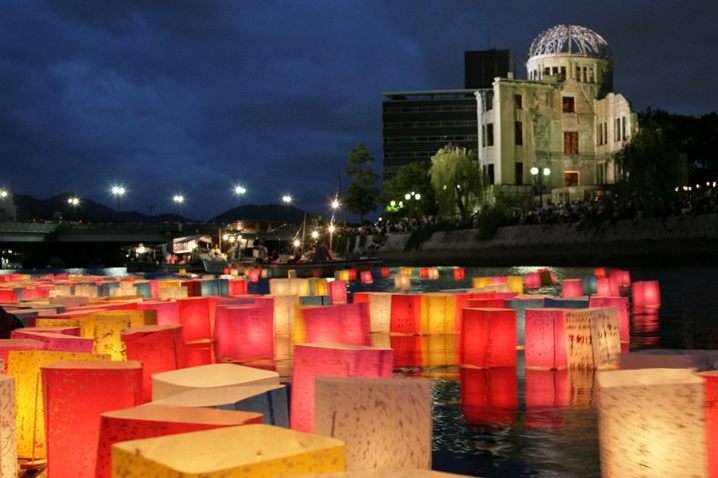
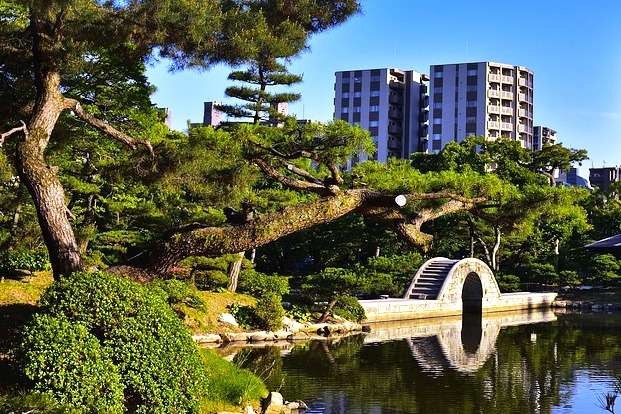
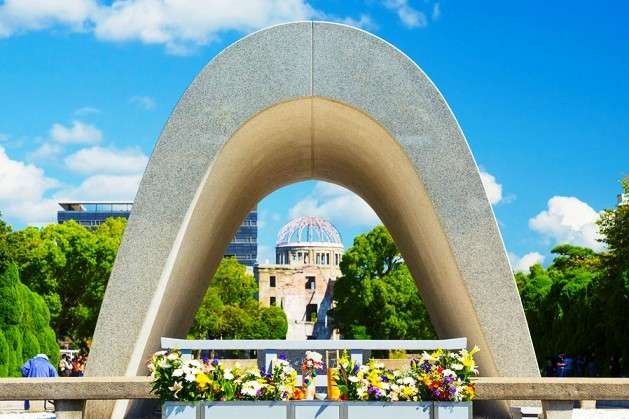
Hiroshima has a placed etched in history for its tragic Atomic-Bomb heritage and also for Miyajima Island, with its wild resident deer, and the wave-lapped Itsukushima Shrine.
In addition to these cultural heritage sites there is more to explore.
Hiroshima is made up of four regions:
- Geihoku
- Bihoku
- Bingo, and
- Aki.
Each region boasts an abundance of incredible scenery, activity, natural wonders, traditions, food and culture

Geihoku
The Geihoku region is home to natural spots and Japanese culture including the Sandankyo Gorge, Geihoku ski resorts and the well-established culture of Kagura theatre which has been passed down through generations.
Sandankyo Gorge
The Sandankyo Gorge, stretches for 13 kilometres through north-western mountains in Hiroshima and offers trekking through the summer and autumn months and the 30-meter high waterfall located at the gorge.
There is the chance to trek from Sandankyo's front gate to Kurofuchi pool passing the Shimai and Ishidoi waterfalls or hop take a ferryboat crossing over to Kurobuchiso and sample the local cuisine.
Another boat trip passes through the narrow Sarbutobi valley of rocks, just two-meters apart, and take the hiking trail to the Hijiri Lake.
Geihoku Ski Resort
The Geihoku region also has one of the larger ski resorts in western Japan.
During the winter months snow covers the mountains, rice paddy fields and valley.
Kagura theatre
Kagura, a popular youth culture, is a form of traditional music and dance.
The theatrical performances are dedicated to Shinto gods and include extravagant costumes and dynamic movements telling the story of folk tales using taiko drumming and flutes.
Home to more than 100 Kagura groups, Geihoku is a cultural experience, with performances used to pray for good harvests, fish catching and illness recovery.
Bihoku
Bihoku is the most northern region of Hiroshima flourishing with flower parks, fruit farms and wineries.
Bihoku Hillside Park is a three hectares national park with 70 varieties of flower that blossom in the Flower Square during the spring and autumn months.
Taishku Gorge
Taishku Gorge changes from season to season via the numerous footpaths and bridges that weave around and over the rivers where waters vary from soft stream to fast moving rapids.
The gorge has limestone caves stretching for 15 kilometres, waterfalls and cliffs.
The Yosekura-Iwakage Ruins is where geologists have discovered excavations dating back thousands of years showing that the caves hold a vast amount of ancient Japanese history.
Taishakuten Eimyoji Temple, established back in 709, can also be found in the trees surrounding the Taisku Gorge.
Bingo
Located below Bihoku, Bingo is known in Hiroshima for its ports, with Onomichi and Tomonoura popular destinations rich history and culture connected to the Seto Inland Sea.
Onomichi
Onomichi town has a designated walking route in the downtown area known as 'Temple Walk' and view 25 of the temples.
The Senkoji Temple in the Senkoji Park sits at the peak of a hill, providing views of the city below.
Tomonoura
Located in Fukuyama city, Tomonoura is a picturesque port town with over 1000 years of history facing the Seto Inland Sea.
This area has been a thriving port since the Edo period (1603-1867) with the stone lantern and stone pier still standing.
Tomonoura is popular for Homei-shu, this is a medicinal liquor believed to help fight against cold and fatigue.
Aki
Aki is the southernmost part of Hiroshima, beyond the Hiroshima A-bomb Dome and Miyajima Island Aki has a range of islands, beaches and mountain ranges.
Being a coastal town Aki has an abundance of oyster huts and restaurants spread along the shoreline.
Useful links
Location (Map)
When you subscribe to the AllWays Traveller, we will send you an e-mail when there are new updates on the site so you wouldn't miss them.
About the author

Contact info

ISSN 2634-7032
London, United Kingdom
+44 0 7764 198 286