AllWays Traveller Features
Adventures in Far North Queensland

I am on a 30-foot motor boat cruising along the Daintree River in Australia's Far North Queensland. The sun has started to set, bringing relief from the 36-degree heat of the day. A colony of bats glides across the purple and orange sky and in the rainforest frogs, insects and birds croak and chirp as they herald the approaching night.
Suddenly, a scaly body breaks the surface of the water and hooded eyes look directly at me. As I watch, another of the huge creatures launches itself out of the water, a large fish between its jaws. In the fading light I see more of them on the river bank. Welcome to crocodile territory!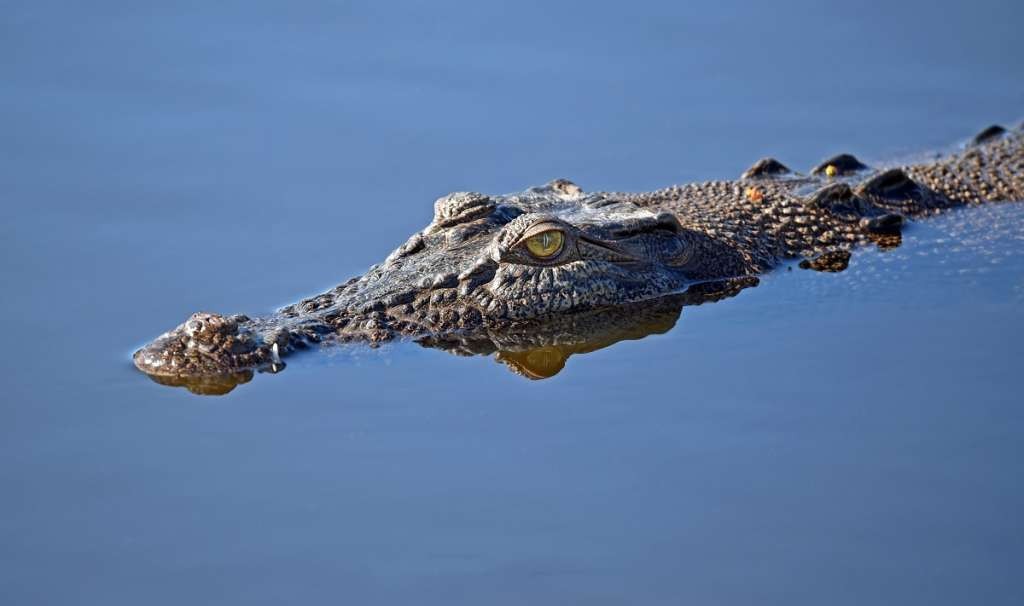

This is one of my most vivid memories of living in Cairns, the city hub of Far North Queensland where I worked for four years. Dusk is one of the times when crocodiles are most active and it's wise to be extra alert when in and around these waters at that time.
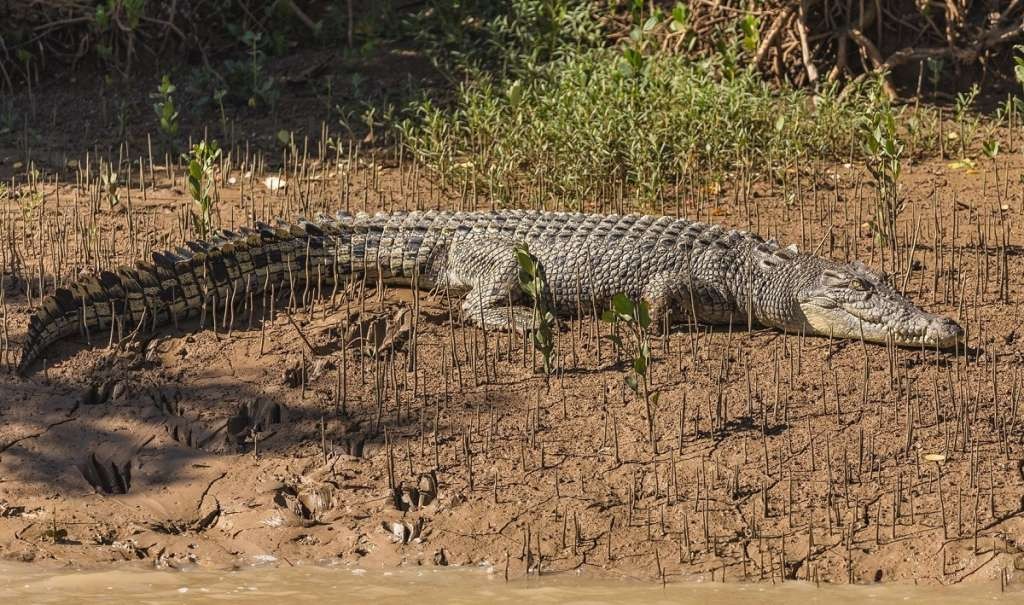
Saltwater or estuarine crocodiles are common in the tropical regions of Australia, inhabiting coastal rivers and wetlands, the open sea and island shorelines. Despite their name, they can also be found in freshwater rivers, creeks and swamps.There are estimated to be about 70 adult crocs in the Daintree River, some growing up to six metres (almost 20 feet) in length.
Crocodiles have been known to launch themselves into small boats if they perceive them to be a source of food. So if you're contemplating a trip on the river in a little runabout, it pays to remember the famous line from the Jaws movie: "You're gonna need a bigger boat!"
North to the Daintree
I've written about Cairns before and in this feature I'll explore the area north of the city, including the Daintree National Park. You can get to all the places featured with a series of tours, but by far the best way is to self-drive, giving you the freedom to travel where and when you please.
Get a four-wheel-drive vehicle if you can, but if you only have a regular car and want to travel to Cooktown and beyond, you'll need to divert inland at some point. I'll explain why later.
There is a wide choice of accommodation available on this itinerary, ranging from camping to beach and rainforest resorts. However, these tropical destinations are very popular with Australians during our winter (June to August) and some properties are fully booked up to a year ahead.
Driving north from Cairns on the Captain Cook Highway, your first stop after about an hour should be the pretty town of Port Douglas. As you drive, check out the views over the ocean on your right; they are spectacular.
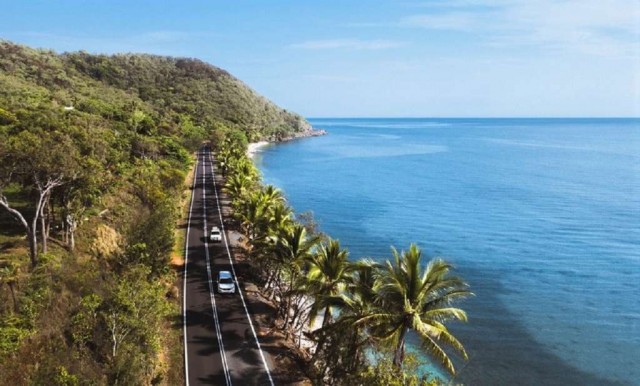
Fronting the Coral Sea and with the popular Four Mile Beach curving away to the south, Port Douglas is an alternative to Cairns as a base for visits to both the Great Barrier Reef and the Daintree rainforest. In town, Macrossan Street is lined with boutique shops and restaurants.
You may wish to spend a night at Port Douglas before driving north-west for another 20 minutes or so to Mossman Gorge. This is where the rainforest starts and it is worth taking one of the many walks in the area. See the bubbling crystal-clear waters of the Mossman River and numerous waterholes along the way.
Next, take the Mossman-Daintree Road and drive for half an hour until you reach Daintree Village. From here you can explore the Daintree River and see more of the rainforest – believed to be one of the three oldest in the world – all part of the Daintree National Park.
The Eastern Kuku Yalanji Aboriginal people are the traditional owners of Daintree National Park, and their country extends from Mossman north to Cooktown.
Cape Tribulation
To continue north to Cape Tribulation you have to cross the Daintree River using the local cable ferry. It operates daily between 5am and midnight, takes five minutes to cross (but allow 15 minutes for the wait) and carries a maximum of 27 vehicles. It costs $23.00 one way with your car or $39.00 return. Once across it's about an hour's drive to your next destination.
One of the most biologically diverse areas in the world, Cape Tribulation was included in the Wet Tropics World Heritage listing in 1988. Known as the place where the rainforest meets the reef, you can board a fast boat here to explore the Great Barrier Reef, take a kayak to nearby islands, bushwalk and camp.

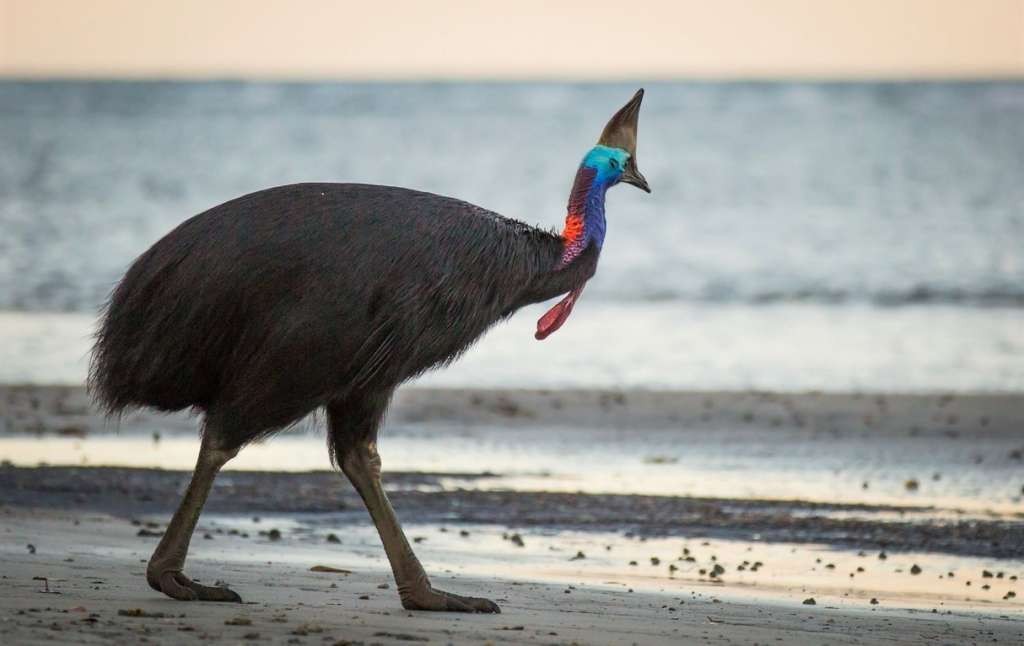
Another unique creature you may encounter in these parts is the southern cassowary, a large flightless bird, not as tall as the emu but heavier; in fact it's the second heaviest bird in the world after the ostrich. Although not as dangerous as the crocodile, the cassowary can deliver a nasty kick if surprised or cornered.
destinationdaintree.com/locations/cape-tribulation
If you've decided that you want to go on to Cooktown, note that the bitumen road ends at Cape Tribulation and the only way forward is along the gravel Bloomfield Track, about 100km. The track is not for the faint-hearted and if you only have a regular sedan, don't attempt it. Rental car companies will most likely prohibit it anyway. The track is subject to seasonal flooding, slips, potholes and fallen trees. I once drove the track in an ordinary car without incident, but it was the dry season and I was lucky … and it was a company car, not my own!
To reach Cooktown by sealed road you have to go inland. First, backtrack almost to Port Douglas (80km) then take Highway 44 towards Mount Molloy (46km). At Mount Molloy turn right onto Highway 81 and drive to Lakeland (145km). Finally, take Highway 40 to Cooktown (78km). But if you have a 4WD vehicle and are adventurous, take the Bloomfield Track; the scenery is stunning.
Cooktown and beyond
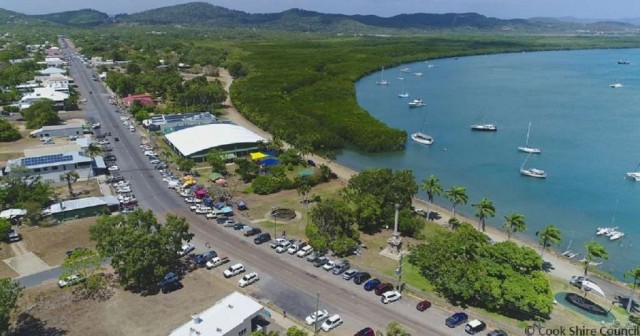
When in a town named after British navigator Captain James Cook, it makes sense to visit the museum that records this chapter of Australian history. Cook stopped here in 1770 to repair his ship, Endeavour, after it was holed on the reef. The James Cook Museum (entry fee $18) is housed in an 1888 building and its displays include the original anchor and a cannon salvaged from Cook's ship. There are also exhibits on the gold rush period which saw Cooktown prosper between 1873 and 1890.

In town there are also historic buildings, a history centre, a botanic garden and five pubs in the main street. Splendid views are on offer from Grassy Hill lookout and other vantage points.
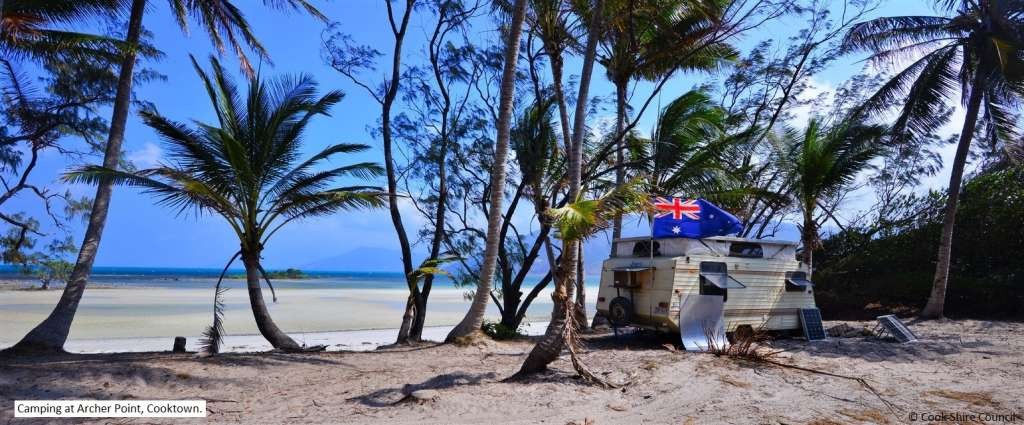
From Cooktown it is 330km back to Cairns via the inland route. Don't go back to Port Douglas, stay on Highway 81 as far as Mareeba and then take Highway 1 direct to Cairns. Or you can go on to the very tip of Cape York – the northernmost point of mainland Australia – if you have a 4WD vehicle and are prepared to drive a further 1,000 km or so over rugged terrain, but that's another story.
Photos courtesy of Tourism Tropical North Queensland
Useful links
Location (Map)
About the author

Contact info

ISSN 2634-7032
London, United Kingdom
+44 0 7764 198 286