AllWays Traveller Features
England’s Lake District

Motorists vie for scarce parking spots, truck drivers making their deliveries just park wherever they can, even if it means blocking one lane of the road; and motorhomes are everywhere, lots of them, some slow-moving and reducing traffic flow to a crawl. Welcome to the Lake District.
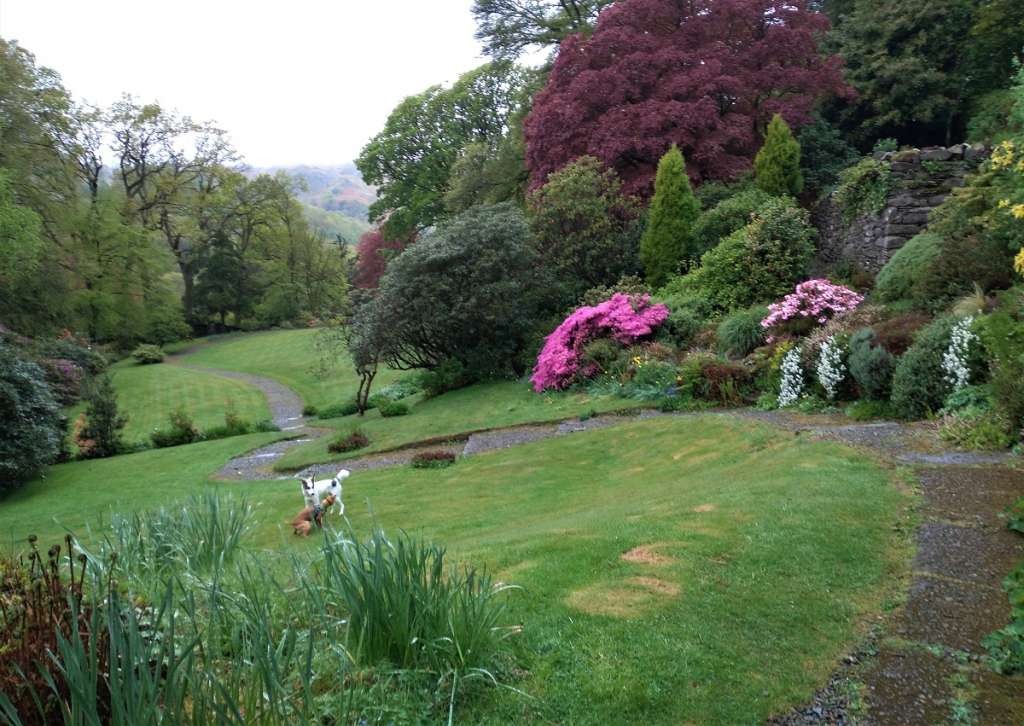
The problem is that most of these roads were never built for today's huge vehicles and traffic volumes. Walking is a favourite pastime here and it's easy to see why. Once out of your car, traffic hassles are quickly forgotten as you gaze upon this area of truly outstanding natural beauty.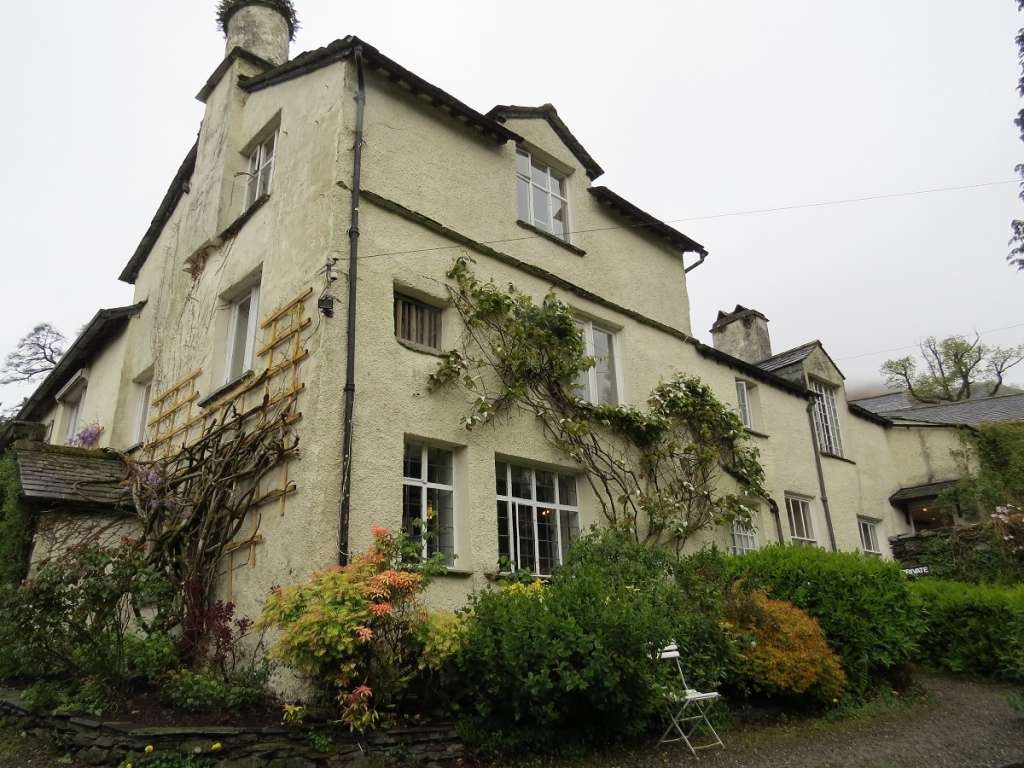
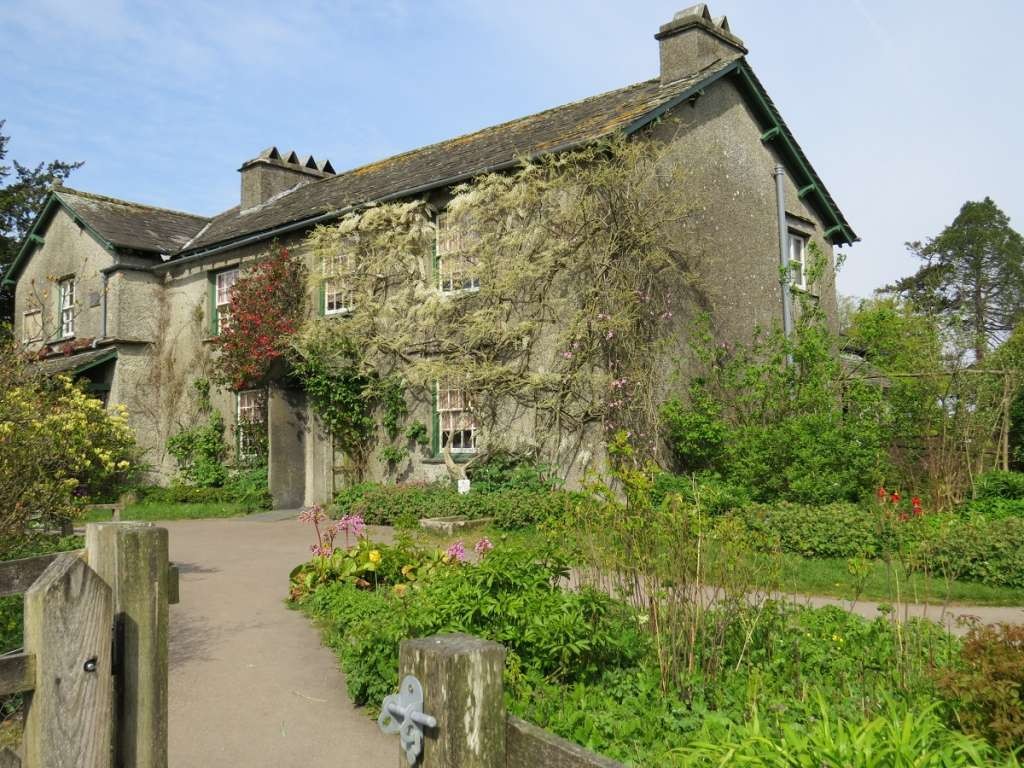
Above: Wordsworth's Rydal Mount (left) and Potter's Hill Top.
I was fortunate enough to reacquaint myself with the area recently, staying at the charming Ivythwaite Cottages, located midway between the towns of Windermere and Bowness and within walking distance of both.
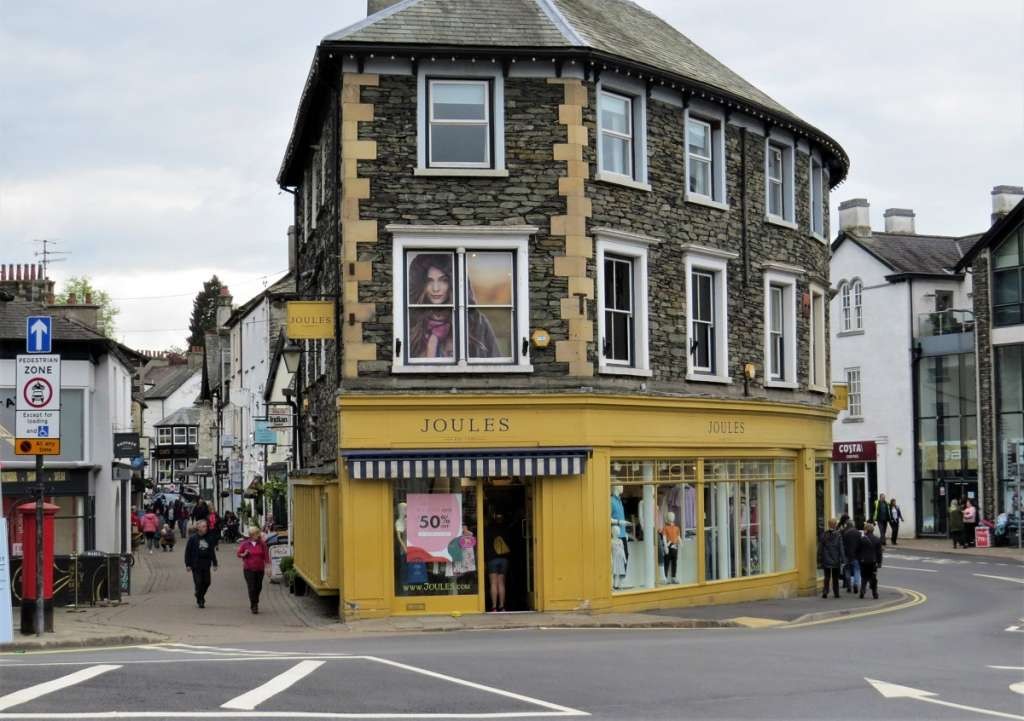
I've been back to England many times since migrating to Australia more than 40 years ago, but I never got back to the Lake District until now. I was expecting it to have changed for the worse, but it hasn't (apart from more traffic and bigger crowds) and I was pleasantly surprised.
Situated in the north-west of the country, the Lake District can be reached by car from Manchester Airport in a little over an hour. Most of the action is centred on Windermere and its lake of the same name – the largest lake in the district and the largest in all of England for that matter. From the towns of Bowness and Ambleside and the village of Lakeside you can take cruises on the lake.
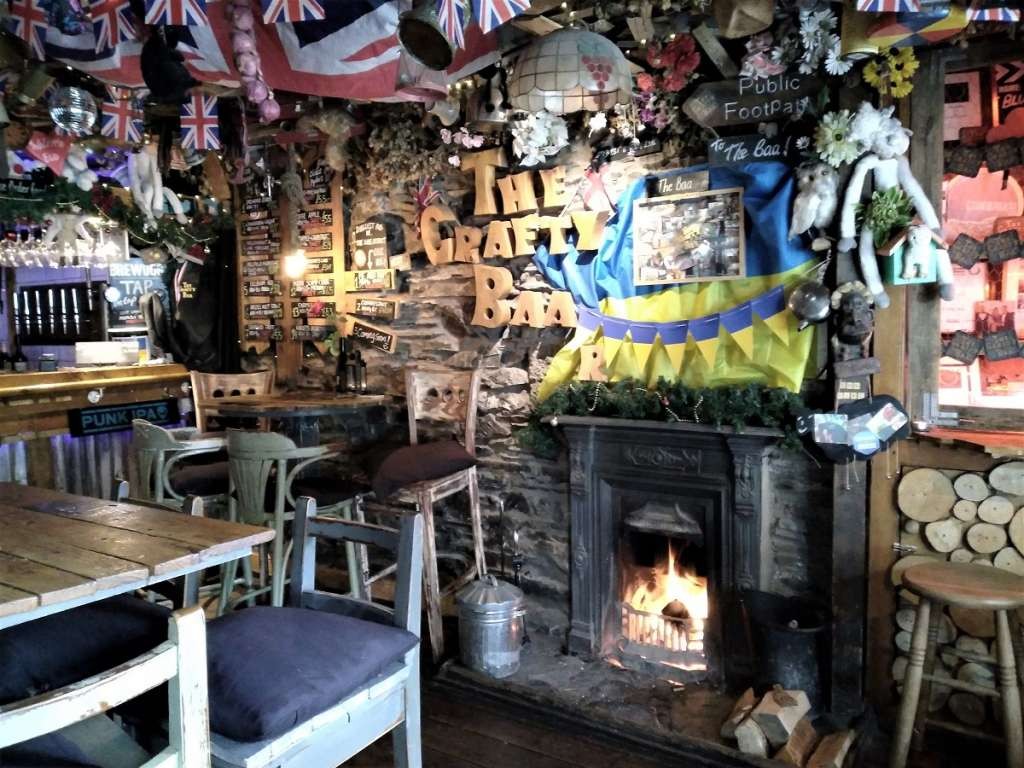
There are several really good pubs in Windermere and one that was especially welcoming was the Crafty Baa (below), the smallest pub in the Lake District.
Lovers of literature are spoiled for choice in terms of historic homes and galleries once frequented by literary luminaries. Poet William Wordsworth was born here in 1770 at Cockermouth, just north of the Lake District National Park. The house where he and his sister Dorothy spent their childhood is now known as Wordsworth House and is open to the public.
In 1813 Wordsworth, his wife Mary, their daughter Dora, and Dorothy moved to Rydal Mount in Ambleside where they lived until their deaths. Wordsworth's second love after writing poetry was landscape gardening and the rambling gardens of Rydal Mount attest to this.
The grounds and several rooms of the Tudor cottage are open to the public, including the bedrooms, the dining room and Wordsworth's study in the attic.
Children's author Beatrix Potter also loved the wild beauty of the Lake District and made her home there. Born in London on 28 July 1866, Potter took holidays with her parents in the Lake District on and off for 20 years. It was then that she began sketching animals and landscapes and writing the first of her books. In 1905 she bought Hill Top, a small farm in Sawrey, and for the next eight years she busied herself writing more books.
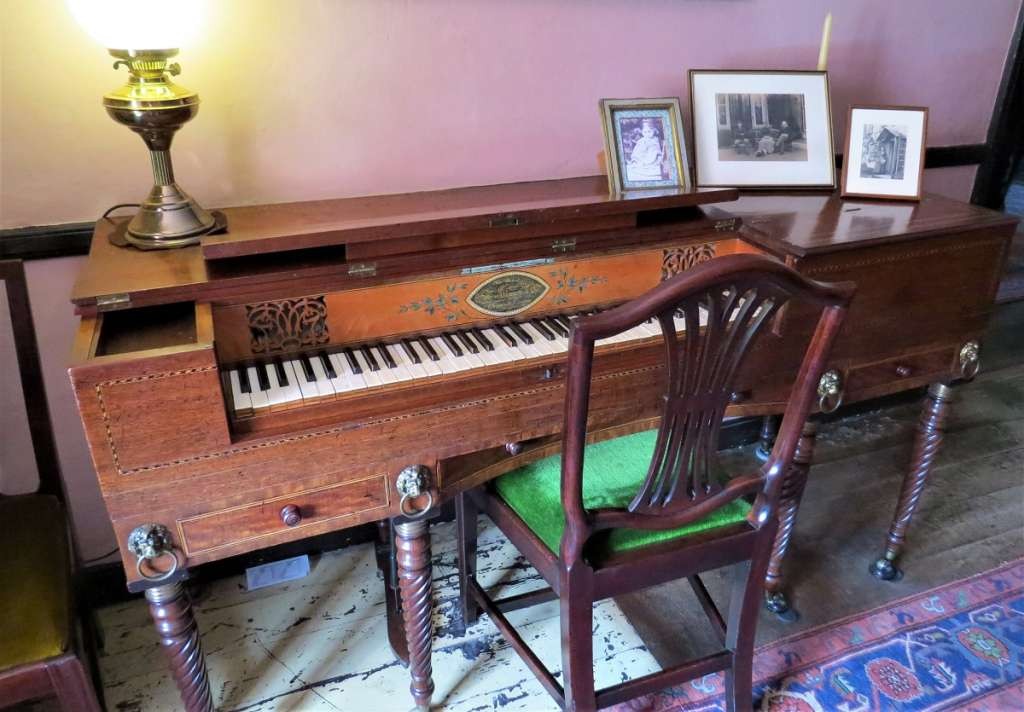
Hill Top has been lovingly preserved and is now as it was then, more than a century ago. Hill Top is said to be the most visited literary shrine in the Lake District. In 1913 Beatrix Potter married William Heelis, a solicitor in Hawkshead. The former office of William Heelis is now the National Trust's Beatrix Potter Gallery.
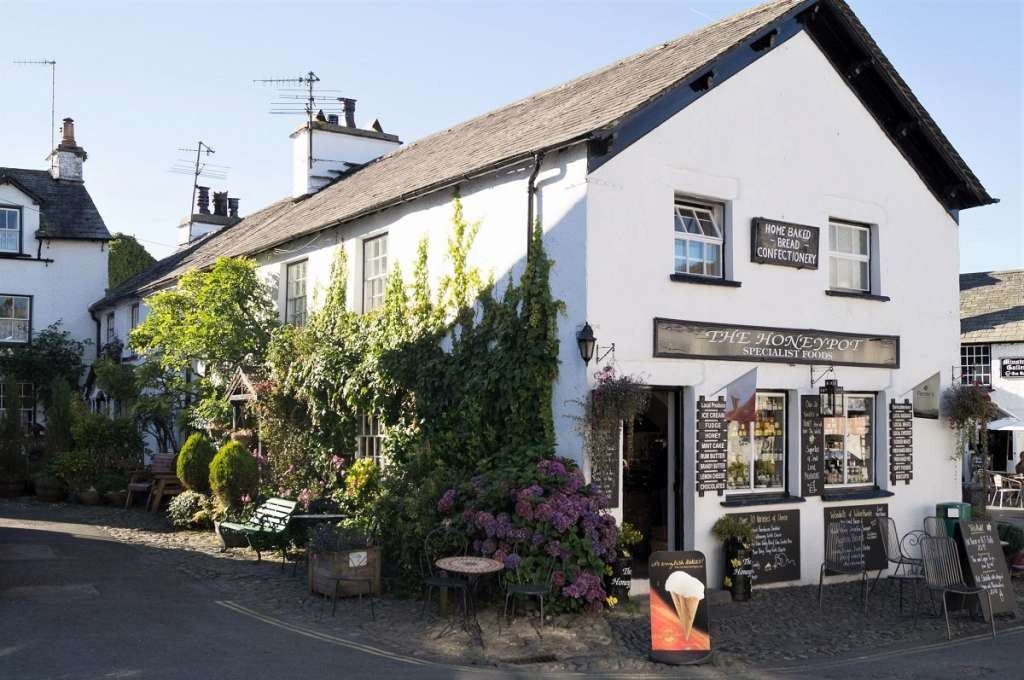
Hawkshead is a delightful village with numerous shops, pubs and cafés and is often deservedly called the prettiest town in the Lake District. Hawkshead developed primarily as a market town, with most of the buildings you see today built in the 17th and 18th centuries.
Other writers and poets who lived in the Lake District include Samuel Taylor Coleridge, Robert Southey, John Ruskin and Arthur Ransome.
Further afield
Coniston Water is another one of the bigger lakes and is famous for being the location where speed ace Donald Campbell lost his life on 4 January 1967, while attempting to set a new world water speed record. He had already achieved seven such records in the 1950s and 1960s (as well as a land speed record) and was aiming for his eighth in his jet-powered hydroplane, Bluebird.
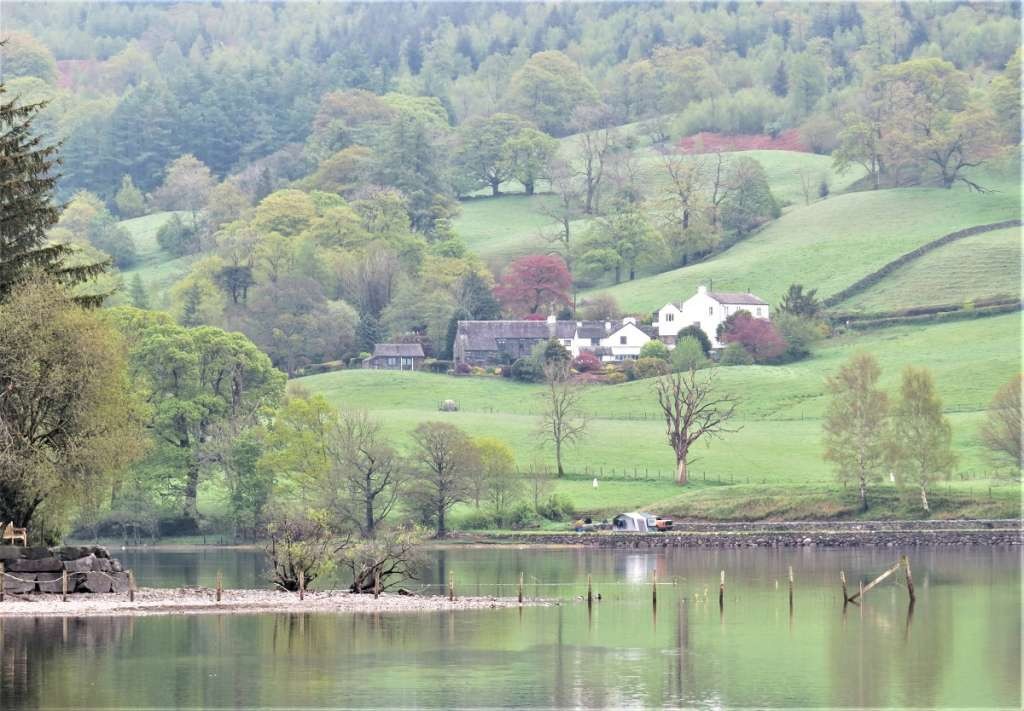
The accident was breaking news at the time and I remember it vividly. Campbell had already made one run along the lake but he needed a second, faster attempt to beat his previous record. Hurtling along Coniston Water at more than 300 miles per hour, Campbell lost control of Bluebird. The craft became airborne, cartwheeled and broke up as it crashed back into the water, the impact killing Campbell instantly. Coniston has an eerie quality about it that fits well with this tragic part of its history.
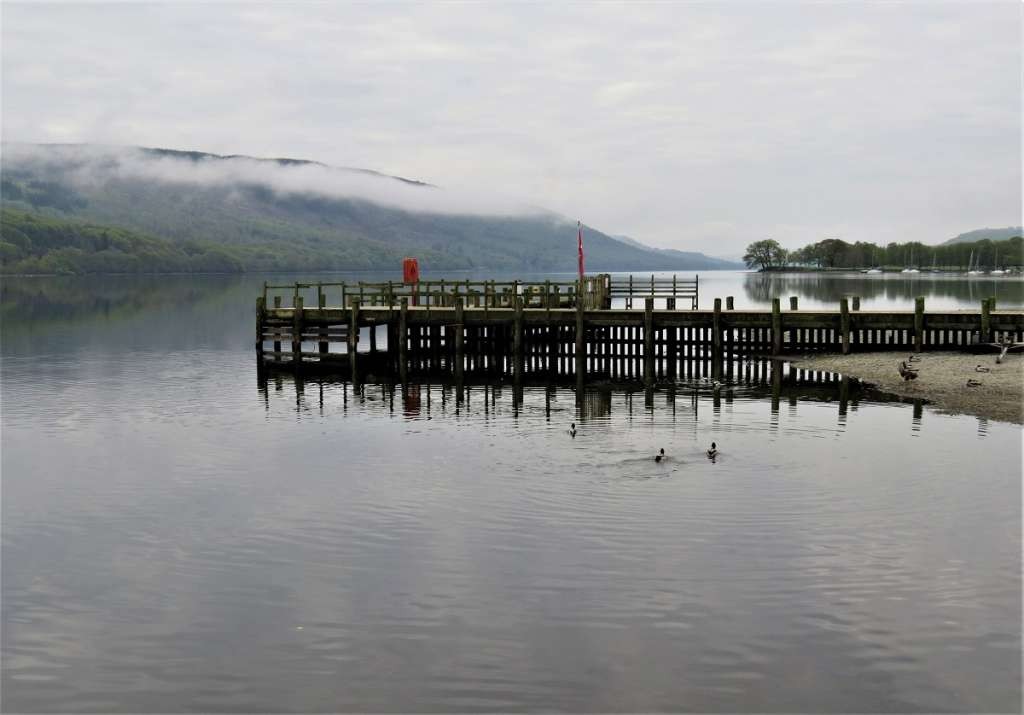
The tiny village of Buttermere is named after its lake and it lies in a valley surrounded by peaks that are particularly popular with walkers. It has only a small church, two hotels, a number of small B&Bs, a campsite and a youth hostel. It can be reached by car only from Keswick and Cockermouth and one route in takes you over the magnificent Honister Pass, which affords sweeping views over the surrounding fells.
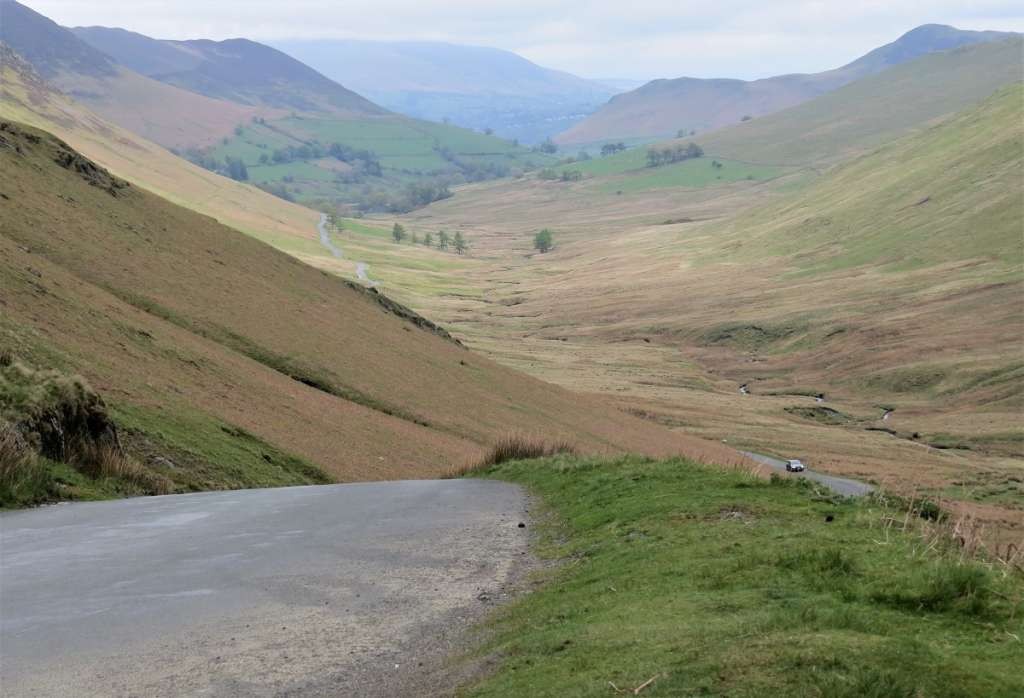
Ullswater is the second-biggest lake in the district and we were planning to see it on our way out but were thwarted by fog so thick it was difficult to drive let alone take photos. Maybe next time.
Photos © Judy Barford
Useful links
Location (Map)
About the author

Contact info

ISSN 2634-7032
London, United Kingdom
+44 0 7764 198 286