AllWays Traveller Features
Greece and its islands beckon

Greece has started to reopen its international borders and from 14 May will scrap its quarantine requirements for travellers who can produce proof of COVID vaccination or a negative test result.
Some observers are sceptical about whether this will actually happen as planned, but let's be optimistic and take a look at what's on offer.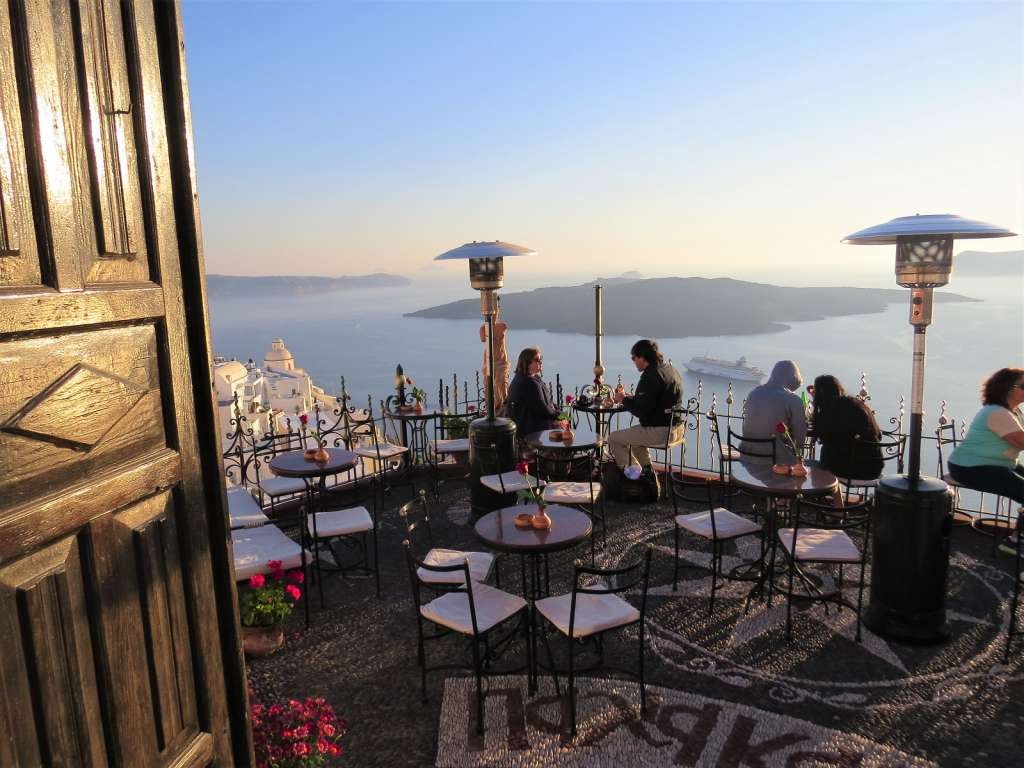
Here is an itinerary that takes in some popular mainland and island destinations plus one or two not quite so well known. The best way to travel is by ferry from mainland to island to island.
Athens
The capital is a good place to start and it is one of the world's oldest cities. Athens is a heady mix of sounds and colours and I always stay in the old neighbourhood of Plaka, in the centre of the city. It is lively but relatively calm with many of the streets closed to cars.

It's packed with restaurants, cafes and tourist shops. Commercial but pleasant, it still has a feeling of community and is not harmed by the commanding views of the Acropolis than can be viewed from many vantage points.
Mykonos
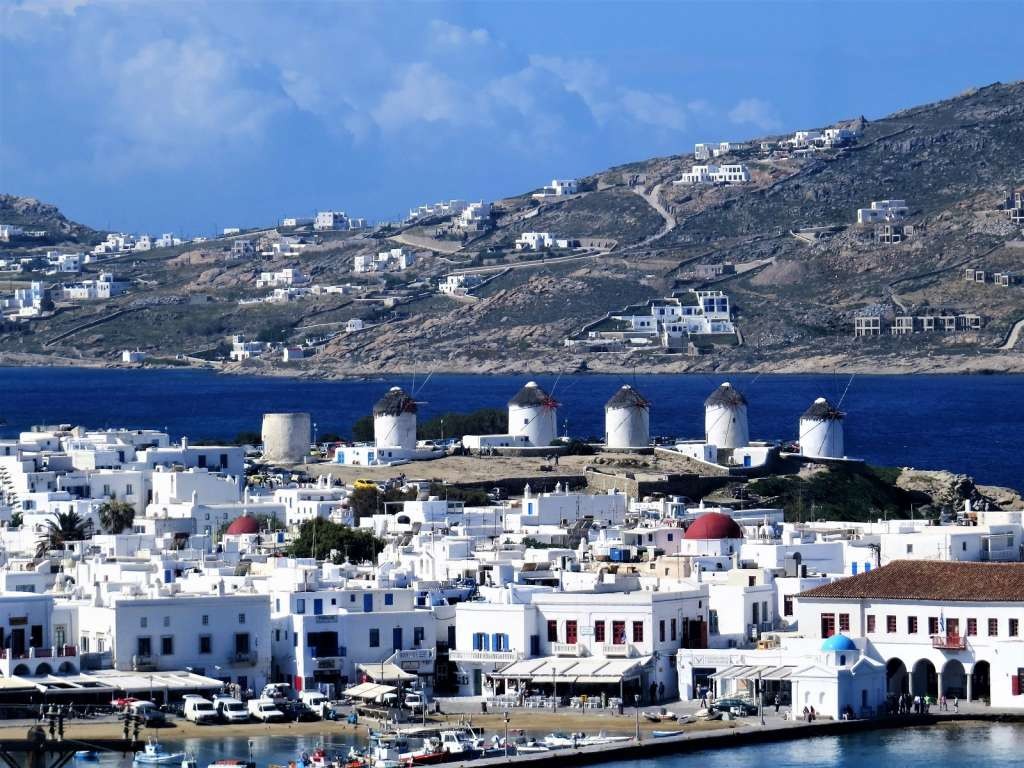
Possibly the best known of the Greek Islands and part of the Cyclades group, Mykonos has a reputation as the party island. This may be true after dark but by day it is peaceful, charming and cosmopolitan. Mykonos town, or Hora, has a delightful waterfront and narrow, winding streets full of colourful houses, churches and cafes.
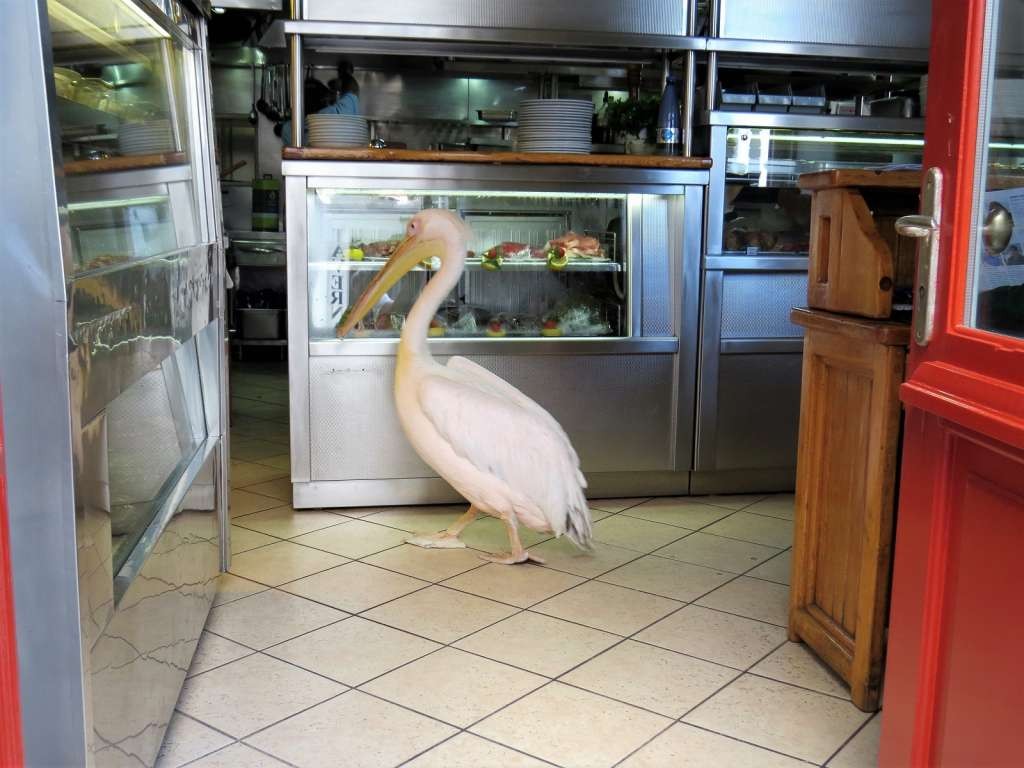
In and around the streets and cafes you may stumble upon Petros, the pelican mascot of Mykonos. The original Petros enjoyed fame on the island from 1958 until 1985, when he died. There have been several successors since then, but that should not detract from the novelty of seeing a large pelican in your favourite café.
Continue walking round the corner from the main waterfront and you will be in Little Venice, a name inspired by the precarious looking buildings with balconies overlooking the sea. From here you can also see the famous windmills.
Paros
Paros is located in the central Aegean Sea and is also part of the Cyclades island group. It lies to the west of the probably better-known island, Naxos. Historically Paros was known for its fine white marble, but in recent years it has become a refuge for tourists seeking peace and tranquillity.
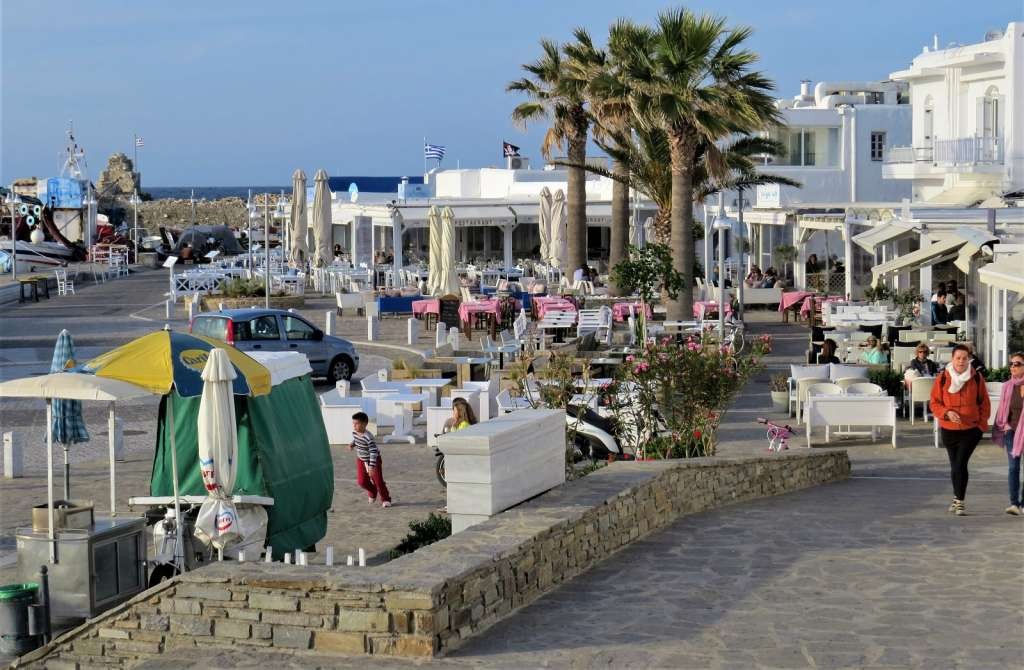
Ferries from Piraeus and Rafina (Athens) and from the other islands arrive at the port of Parikia, from where it is easy to get to other parts of the island such as the charming village of Naoussa (above), 11 kilometres further on.
Santorini
The first time I travelled to Santorini and saw from the ferry the imposing cliffs of this dramatic island, I wondered how l would get to the top. Luckily fleets of buses, cars and taxis do this trip regularly. Alternatively you can take the cable car or even a donkey, but the latter isn't recommended. Most people head for Fira, the raffish capital of the island, but consider Imerovigli, about seven minutes north, where the views over the caldera are breathtaking, but where fog can sometimes block out those views. My favourite place is Oia – fog-free, beautiful and with drop-dead views around every corner.
Crete
Crete is the largest island in Greece and the fifth largest in the Mediterranean. Tours of the island must include a visit to Chania (below), possibly the most picturesque city in Crete and the second largest after the capital, Heraklion.
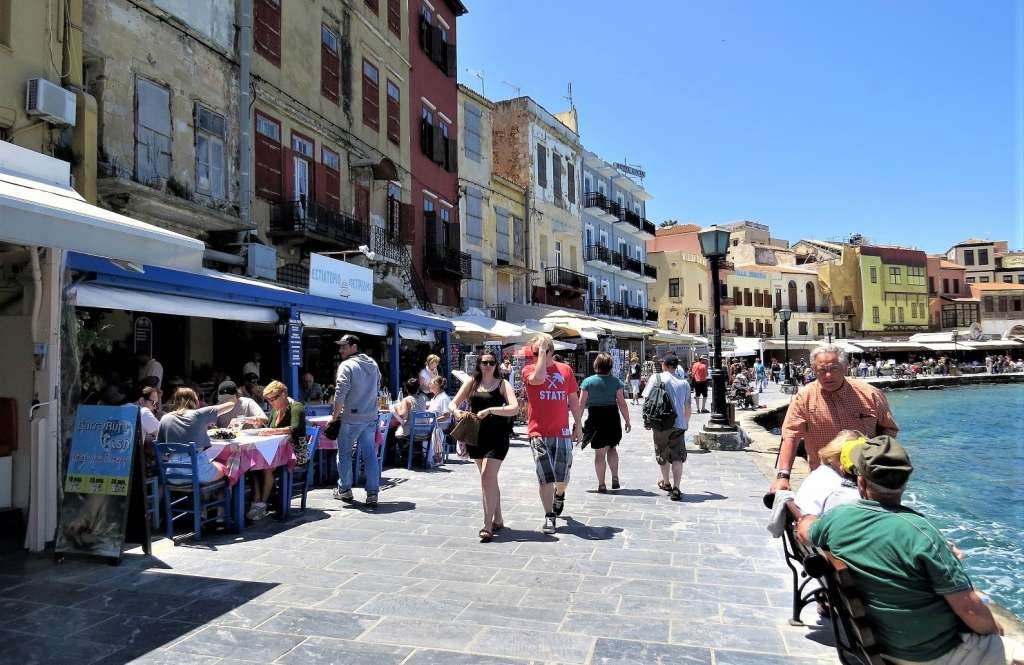
The Chania region is dominated by the impressive White Mountains and Lefka Ori National Park, with the must-see Samaria Gorge. On the way stop at Rethymno, another beautiful town.
Rhodes
Rhodes is located in the Dodecanese group of islands and is famous for the Colossus of Rhodes, one of the Seven Wonders of the Ancient World. The 110-feet-tall statue representing the sun god, Helios, was built in 280 BC and erected near the harbour. It commemorated the successful defence of Rhodes against a siege led by Macedonian ruler,Demetrius Poliorcetes.
Sadly, the Colossus was the shortest lived of the Seven Wonders, toppled by an earthquake after only 54 years. A not particularly impressive memorial now stands in its place.
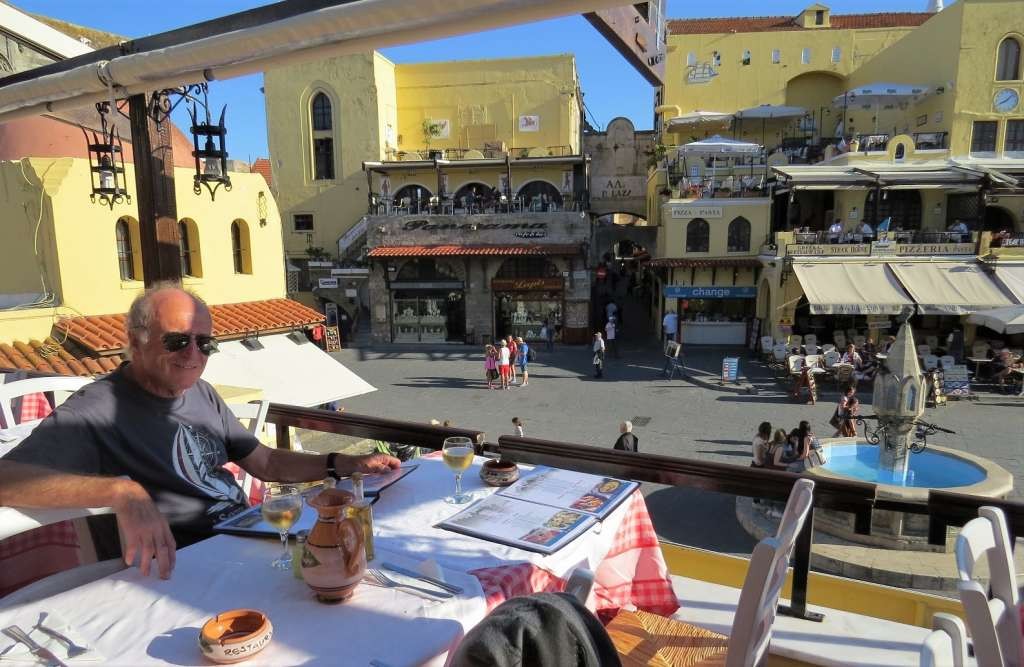
The old city of Rhodes (above) is a UNESCO World Heritage site.
Evia
From Rhodes, fly back to Athens and perhaps sample one more island. Evia (or Euboea) is not at all well known yet it is very close to Athens. Separated from mainland Greece by the narrow Euripus Strait, Evia is the second largest Greek island after Crete. Because it's so long, there are several ways to get to it from the capital including driving if you want to reach the centre of the island. Just drive north from Athens on the E75 for approximately 50 minutes or 70 km (44 miles) to the city of Chalcis. To get to southern Evia take the ferry from Rafina on the mainland. Old stone paths connect villages tucked away in the mountains, for which the southern part of Evia is renowned.
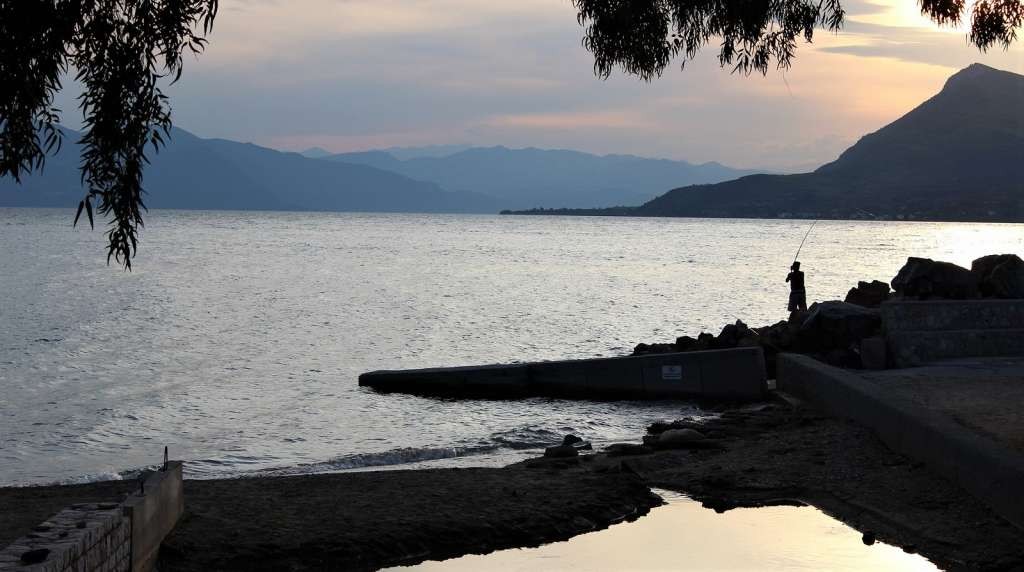
As with other parts of the island, South Evia has some wonderful beaches and the blue crystal waters of the Aegean Sea make it a haven during the hot summer months. There are some very beautiful towns and villages in the south of Evia, including the coastal towns of Amygdalia, Karystos and Marmari.
Useful links
Location (Map)
About the author

Contact info

ISSN 2634-7032
London, United Kingdom
+44 0 7764 198 286