AllWays Traveller Features
New Caledonia’s islands



Photos: New Caledonia Tourism
The Loyalty Islands form an archipelago containing the four islands Lifou, Maré, Tiga, and Ouvéa. Situated some 100 kilometres or so to the east of Grande Terre, the archipelago spans a huge 2,000 square kilometres. The Isle of Pines is closer to Grande Terre and to the south.
A couple of years ago, the Isle of Pines and Lifou were rated by cruise ship passengers as the best cruise destinations in the South Pacific region. Indeed, the Isle of Pines received the rare score of an average 4/5, based on more than 219 reviews (including 135 awarding it the maximum score), while Lifou also reached a score of 4/5 with 98 reviews (including 60 awarding it 5/5). This was the third year that the Isle of Pines had dominated the rankings but the first time that Lifou had been recognised.
History
In 1774 Captain James Cook and his crew, sailing on HMS Resolution, were the first European arrivals at Grande Terre and the Isle of Pines, during their second voyage in search of terra australis. However, Cook missed the four islands that make up the Loyalty Islands. These were not discovered until 1793 when, separately, French Admiral d'Entrecasteaux and Cook's fellow British navigator, William Raven, captain of the whaler Britannia, spotted Ouvéa and Maré respectively.
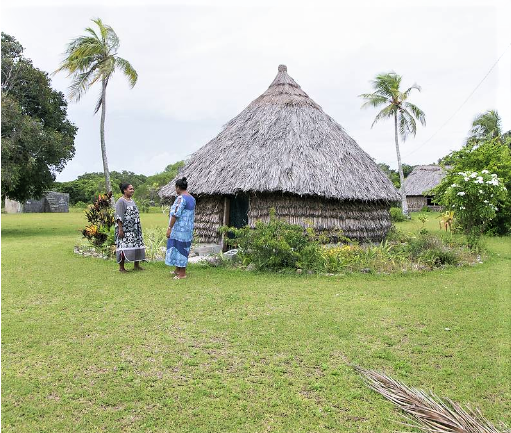
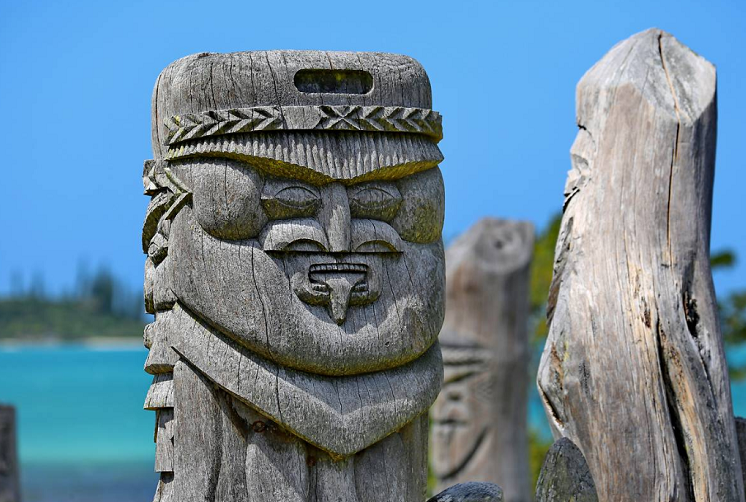
Inhabited by Melanesians these islands were not suited as colonies of France so they were designated as native reservations, a status that preserved these islands and culture. To this day, local Kanak customs remain strong and are practised in daily life. Visitors to these islands experience a truly authentic culture without the tourist trappings.
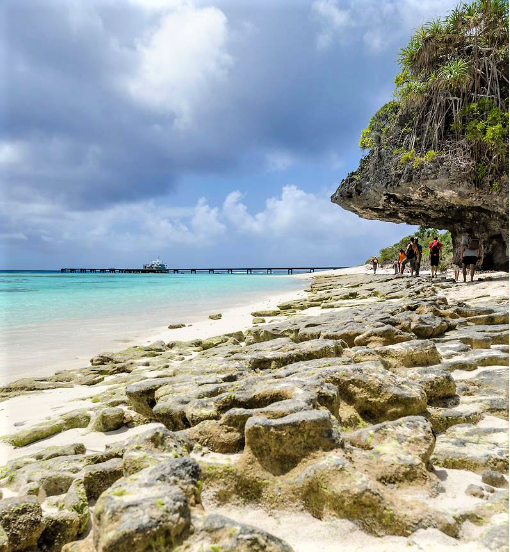
The Loyalty Islands are also well endowed with beautiful landscapes, beaches, lagoons, and coral. Both the culture and natural attractions make these islands a great place to explore.
Each of the islands has its own character
Although New Caledonia's islands sit in relatively close proximity to one another, each boasts its own unique character, fantastic attractions and incredible reasons to visit. Discover what makes Ouvéa, the Isle of Pines, Lifou, Tiga and Maré each so special.
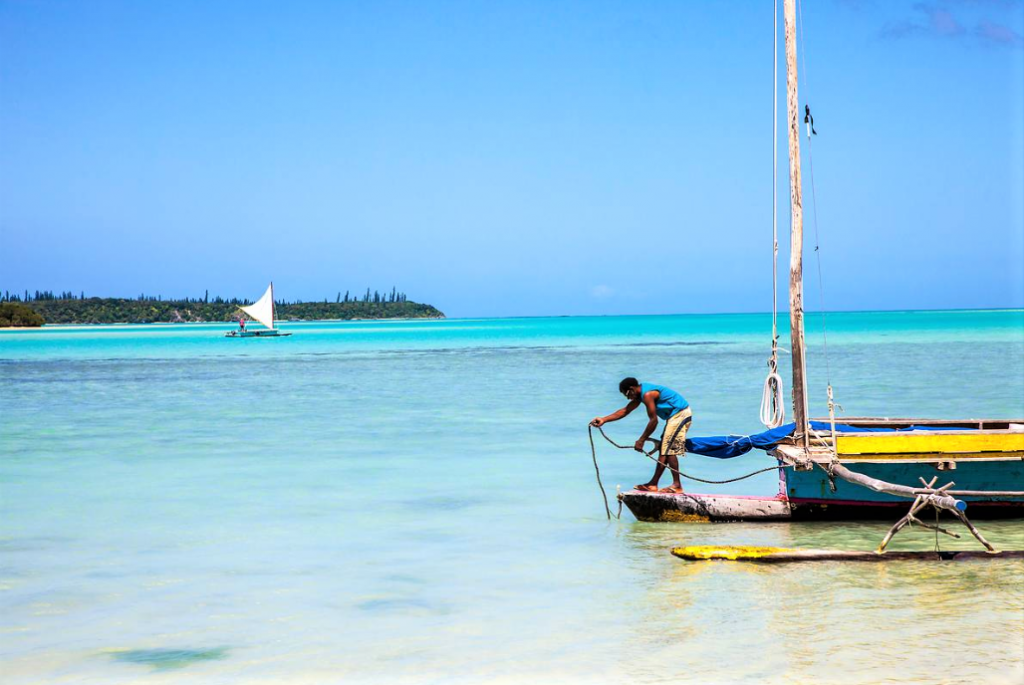
On Ouvéa, the combined beauty of the sky, the lagoon and the flora have earned it the title of the closest island to paradise. This is a well-deserved title for the island which offers a fabulous beach of white sand stretching for almost 25 km, majestic coconut plantations and extraordinary diving sites, especially around the Pléïades Reef. At the Mouli Bridge, connecting Lékiny to the main island, you can see the spectacle of turtles and eagle rays that move through the channel daily, to the great delight of tourists.
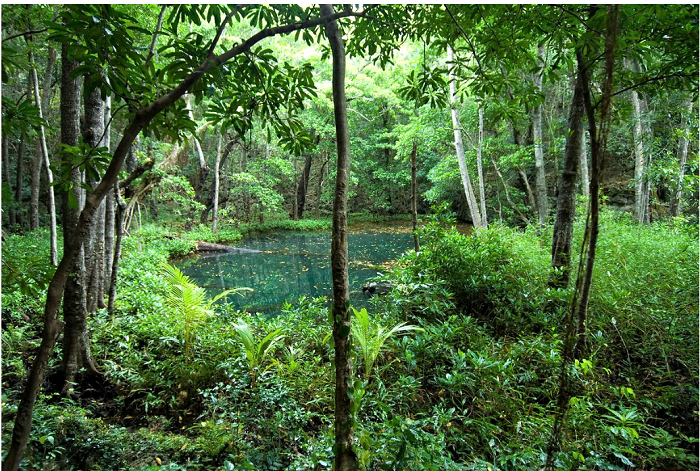
Lifou is characterised by its variety of scenery, combining immaculate beaches, steep cliffs, deep forests and impressive caves. The largest of the Loyalty Islands, Lifou is perhaps the one that showcases the greatest contrasts, catering perfectly to the tourists who travel far and wide to visit. From the vanilla plantations that call the island home to its incredible diving and hiking opportunities, Lifou is nothing short of an adventurer's paradise.
As for Maré, the intense, wild beauty of its scenery and the deep connection that the Mareans have with nature have given this island a very personal identity. Said to be one of the archipelago's best kept secrets, the island will certainly leave a lasting impression on those who take the time to discover it.
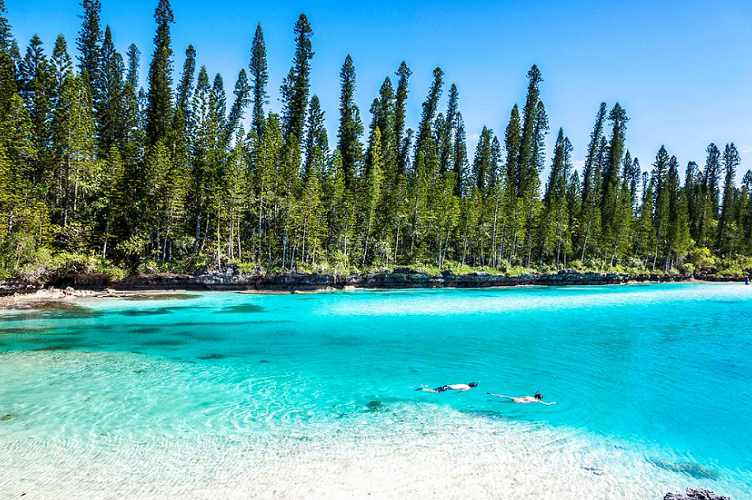
Further south, the Isle of Pines is, without question, Ouvéa's greatest rival for the title of the closest island to paradise. The Oro, Kuto and Kanumera Bays offer an astonishing spectacle of beauty and harmony, while the remnants of the island's penal colony testify to a bygone age. Named for the towering pine trees scattered across the island, it remains among the most popular destinations for New Caledonia's visitors, offering plenty of things to do and see.
Life on Tiga, the smallest of the Loyalty Islands, is largely traditional, offering a window into life across the region in days gone by. Home to just a shop, church and post office, this is a destination that offers the perfect disconnect from modern life, with no shortage of natural beauty and so much to learn from the tribe that calls the island home. With no restaurants, hotels or electricity, Tiga is an authentic slice of island paradise situated midway between Maré and Lifou.
While French is the common language across New Caledonia's islands, each has its own vernacular language. Nengone is most common on Maré, while Drehu is spoken on Lifou, and Kunié is the language of the Isle of Pines. Ouvéa, on the other hand, has two separate languages: the lay language, Melanesian, and Faga-Uvéa, spoken by the descendants of the Wallisians.
The islands of New Caledonia enjoy an extremely pleasant climate, with average temperatures between 22°C on Maré and 24°C on Ouvéa, with seasonal variations of no more than 6°C. In addition, since there are no mountains to pull in and retain the clouds, there is very little rain.
Entering New Caledonia
New Caledonia has escaped any major COVID outbreak – only 40 cases since the start of the pandemic, all recovered. In a bid to keep it that way the country's international borders remain closed until 31 July, a date not too far away for travel planning. Check out the accommodation available at the Loyalty Islands and Isle of Pines website links below.
Useful links
Location (Map)
About the author

Contact info

ISSN 2634-7032
London, United Kingdom
+44 0 7764 198 286