AllWays Traveller Features
Sanibel’s Loggerhead season

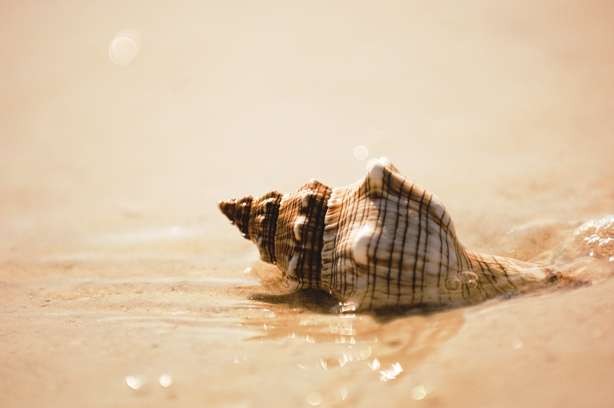
Sanibel Island in southwest Florida is known for beaches filled with shells that wash ashore from the Gulf of Mexico.
Lighthouse Beach has a fishing pier, the towering, 19th-century Sanibel Lighthouse and a boardwalk winding through marshes.
The Causeway Beaches are a water-sports hub and have picnic facilities. J.N. "Ding" Darling National Wildlife Refuge covers about half of the island.
During the Loggerhead nesting season (May to October) hundreds of sea turtles lay their eggs on the beaches of Sanibel Island.
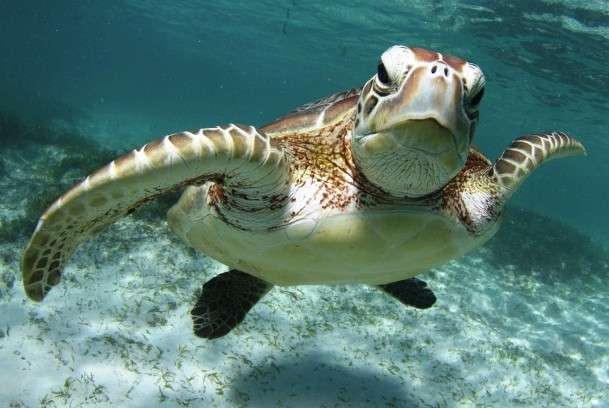
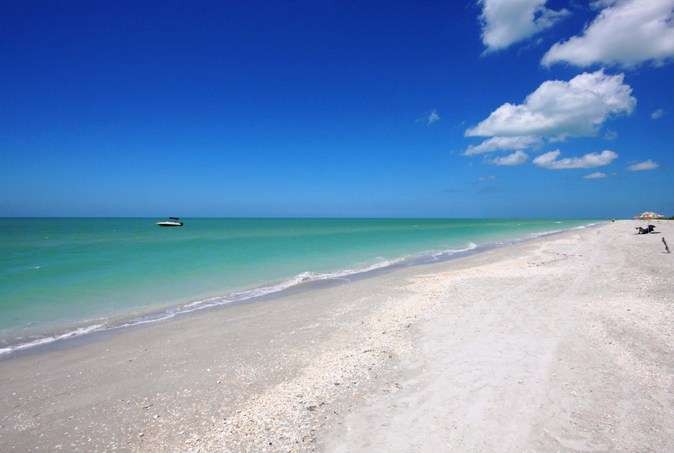
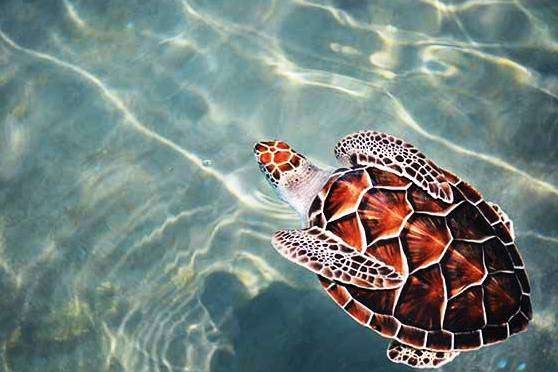
New hatchlings can be found along the 18 miles of Gulf beaches from Sanibel Island Lighthouse to the tip of Captiva Island.
The destination is a prime spot for the loggerhead turtles with residents and visitors alike are encouraged to observe the lights-out policy across the island, as artificial lights can cause the hatchlings to wander toward dangerous roads.
All about sea turtle nesting on Sanibel Island & Captiva Island
Turtle nesting season runs from 1 May to 31 October each year.
Baby sea turtles are called hatchlings. They hatch late at night when the moon is bright.
And when they are ready, they follow the moonlight and head back to the Gulf of Mexico to join their relatives and other sea creatures.
While it may be difficult to spot loggerhead turtles, you can usually see their tracks, especially in the early morning on the beaches, so keep your eyes open when you are taking that morning walk or out shelling, and you'll probably encounter some of the tiny turtle tracks heading back to the Gulf.
Each day during nesting season, May to October, the 18 miles of Gulf beaches from the Sanibel Island Lighthouse to the tip of Captiva are checked for new hatchlings.
Sea turtles are among the world's oldest creatures.
These ancient reptiles have long fascinated people around the world. Sea turtles can move through the water at speeds of up to 15 mi per hour. This is surprising considering their enormous weight.
Adult males reach about three feet in shell length and weigh about 250 pounds, but large specimens of more than 1,000 pounds have been found. Their average life span is more than 50 years.
And mature females will often return, sometimes over thousands of miles, to the beach where they hatched to lay their eggs.
Sanibel Island & Captiva Island's beaches provide the perfect subtropical nesting area for sea turtles, but please be sure to follow the guidelines of Sanibel Island and Captiva Island:
- Turn off all lights that could draw attention away from the Gulf of Mexico to the land. No light should be shining toward the beach.
- Do not leave anything like beach umbrellas, shoes, sand pales, etc on the beach. These are obstacles for the babies.
- Fill in any holes you created – like when you are out building sand castles on our beautiful beaches.
- Do not use flash photography to catch the little guys making their way back to the Gulf. You know how it feels to be 'blinded by the light." The babies won't be able to find their way – so no flashes, please.
Useful links
Location (Map)
About the author

Contact info

ISSN 2634-7032
London, United Kingdom
+44 0 7764 198 286