AllWays Traveller Features
Saskatchewan's natural wonders

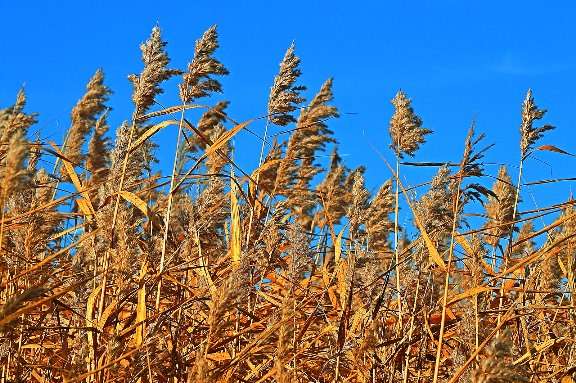
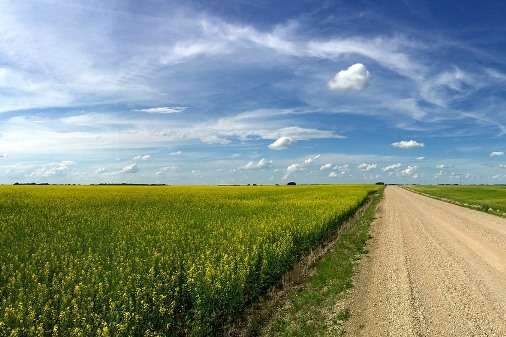
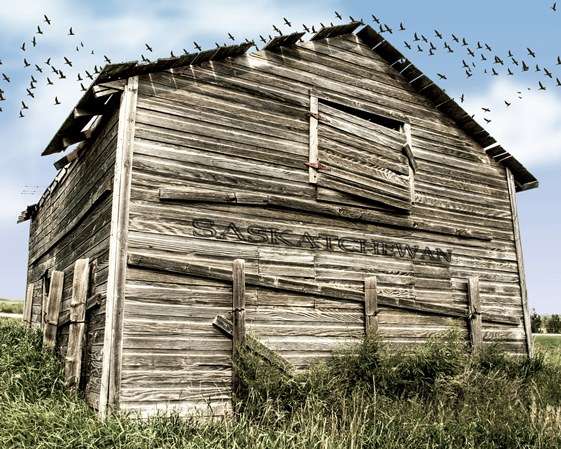
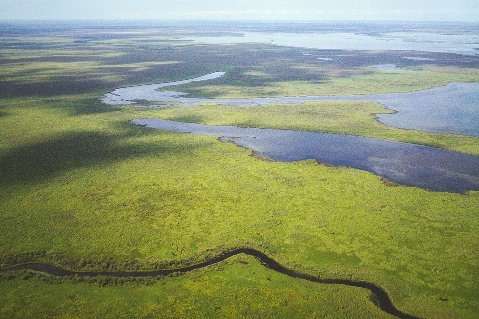
Saskatchewan, a Canadian province that borders the USA, has a varied landscape, with the north covered by forest and lakes and the south made up of golden fields, grasslands, rolling hills and badlands.
Provincial capital Regina is home to the Royal Saskatchewan Museum, with exhibits Canada's First Nations.
Grasslands National Park
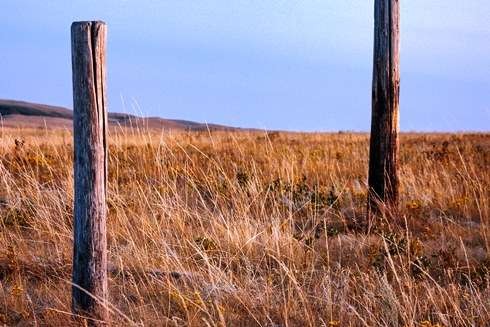
The Grasslands National Park is a 570-sq. km expanse of grassy hills and river valleys.
In the West Block, the Ecotour Scenic Drive provides the chance to view Plains bison as they roam the land, grazing on native grasses.
Black-tailed prairie dogs, pronghorns and various species of snakes are also found here.
Backcountry hikers can walk the Valley of 1,000 Devils.
Gem Lakes
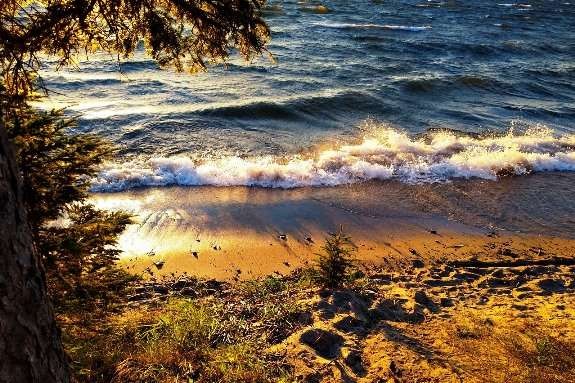
Known for their reflections of emerald, jade and aquamarine, the Gem Lakes are a cluster of deep, sand-bottomed lakes in Narrow Hills Provincial Park.
The lakes have brook, rainbow and brown trout along with splake and tiger trout.
A hiking trail winds around the outer edge of the lakes, along shorelines and climbs to open wooded ridges with vantage points.
Cypress Hills
The Cypress Hills are a mountain-like area on the border between Saskatchewan and Alberta.
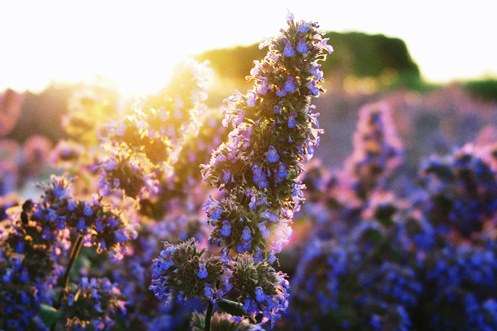
Reaching an elevation of 1,392 m above sea level, this is the province's highest geographical point and offers a mix of hills, lodgepole pine and white spruce forests, and fescue prairie and wildflowers.
Churchill River
There are many canoe routes in northern Saskatchewan, many of which have been used since before the fur trade.
The Churchill River, in Lac La Ronge Provincial Park, offers Nistowiak Falls, one of the province's highest waterfalls.
Great Sandhills
The Great Sandhills, located north of Trans-Canada Highway 1 near the village of Sceptre, rises five storeys above the prairie landscape.
The rolling sand dunes cover more than 1,900 sq. km and provide a habitat for mule deer and sharp-tailed grouse among the native prairie trees, shrubs and grasses.
Big Muddy Badlands & Castle Butte
The Big Muddy Badlands are sprawling hills, valleys and caves that was once a refuge for Chief Sitting Bull, and later as a hideout for outlaws such as Sam Kelly.
A relic of the Ice Age, Castle Butte rises 60 m above the surrounding landscape.
Athabasca Sand Dunes
Saskatchewan's largest lake is home to Athabasca Sand Dunes Provincial Park, which stretch for 100 km along the south shore of the Lake and are the world's most northerly dunes.
The area is accessible by floatplane only and recommended for experienced wilderness users, as there are no onsite services.
Useful links
About the author

Contact info

ISSN 2634-7032
London, United Kingdom
+44 0 7764 198 286