AllWays Traveller Features
The Freedom Monument Sculpture Park, Montgomery, Alabama

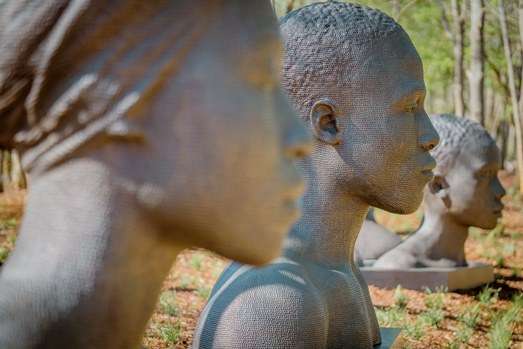
The Equal Justice Initiative has opened the Freedom Monument Sculpture Park.
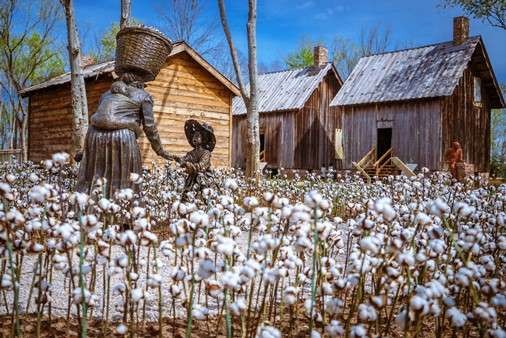
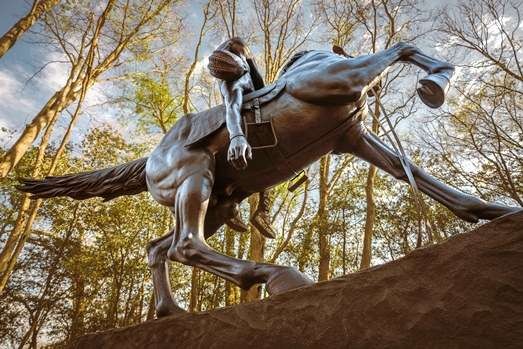
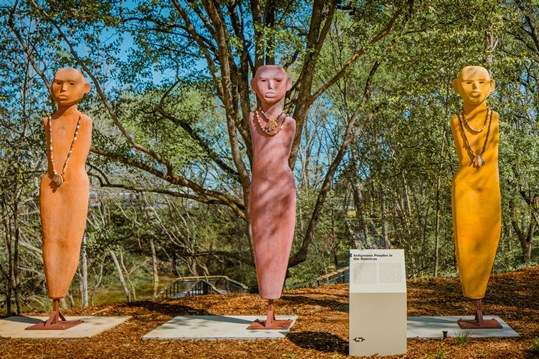
The 17-acre Park explores the legacy of slavery and the lives of enslaved people through contemporary artworks, first-person narratives, and historical artefacts.
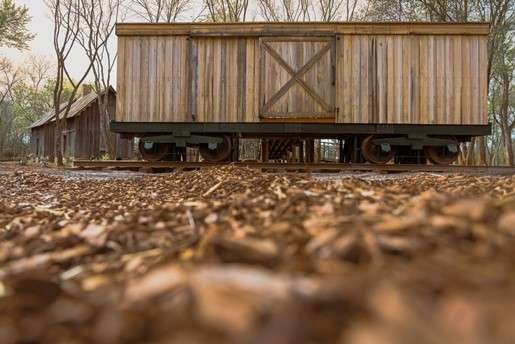
It includes 170-year-old dwellings from cotton plantations, restraints, and historical objects that represent the violence of slavery along with replicas of rail cars and holding pens to enable a more detailed understanding of the experience of enslaved people.
Bricks made by enslaved people 175 years ago can be seen and touched.
While the enslavement of 10 million Black people has shaped the legal, cultural, social, and economic character of the USA, the history of enslavement and the lives of enslaved people has often been ignored.
The Sculpture Park seeks to address this lack of education and to honour the millions of people who endured the brutality of slavery.
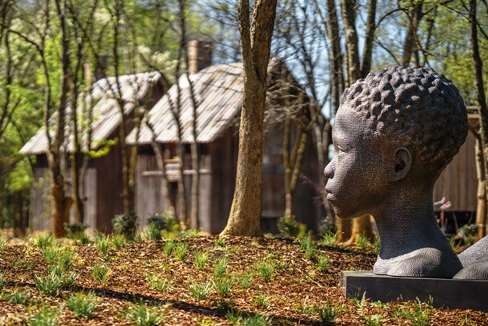
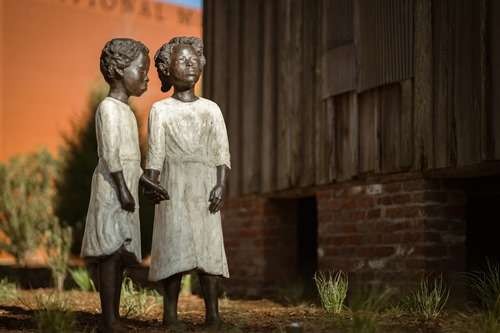
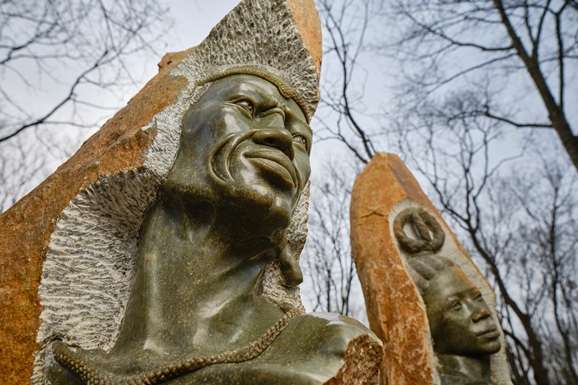
(Images : Equal Justice Initiative)
On the banks of the Alabama River
The Freedom Monument Sculpture Park is located on the banks of the Alabama River, bordered by rail lines built by enslaved people.
The river flows through the Black Belt of Alabama and was a centre of commerce throughout much of the 19th century.
Large plantations were built along the river's banks where goods and produce could be easily shipped to distant locations.
Forming just north of Montgomery, the river flows 318 miles through counties which held some of the largest populations of enslaved people in the country.
By the 1850s, rail became the most common mode of moving and selling enslaved people, and hundreds of enslaved Black people arrived in Montgomery each day.
400,000 Black people were enslaved
By 1860, nearly 400,000 Black people were enslaved on or near the Alabama River.
The river was also home to Indigenous Peoples who occupied these lands for centuries before the arrival of Europeans in the 16th century, a history which is acknowledged at the Sculpture Park.
The Freedom Monument Sculpture Park joins EJI's Legacy Sites, the expanded Legacy Museum and the National Memorial for Peace and Justice.
The Legacy Museum
The Legacy Museum is located on the site of a former warehouse where enslaved Black people were forced to labour in Montgomery.
It uses interactive media, sculpture, videography and exhibits to let visitors appreciate in the sights and sounds of the slave trade, racial terrorism, the Jim Crow South and the world's largest prison system.
The National Memorial for Peace and Justice
EJI has documented nearly 6,500 lynchings of African American women, men, and children were hanged, burned alive, shot, drowned, and beaten to death by white mobs between 1865 and 1959.
Millions more fled the South as refugees from racial terrorism, profoundly impacting the entire nation. Until the National Memorial for Peace and Justice opened in 2018, there was no national memorial acknowledging the victims of racial terror lynchings.
On a six-acre site atop a rise overlooking Montgomery, the national lynching memorial is a sacred space for truth-telling and reflection about racial terror in America and its legacy.
Useful links
About the author

Contact info

ISSN 2634-7032
London, United Kingdom
+44 0 7764 198 286