AllWays Traveller Features
The Scottish Highlands exceeds expectation

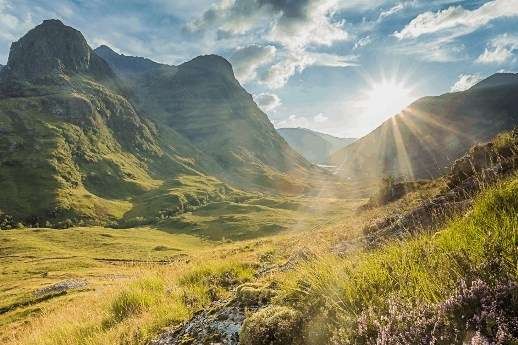
The Scottish Highlands is undoubtedly one of the grand scenic regions of Europe.
It offers majestic mountains, with Ben Nevis Britain's highest, and a stunning North Sea coastline scattered with remote fishing villages.
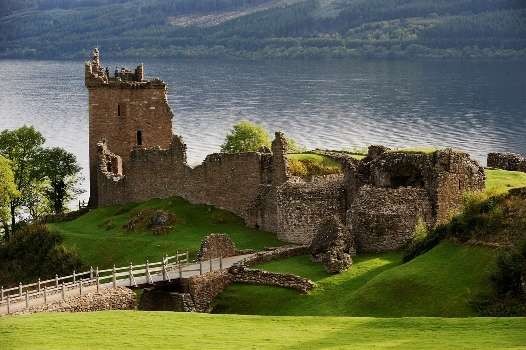
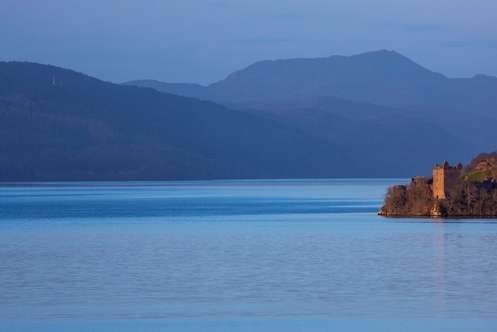
Lock Ness, in the centre of the region, is the UK's largest lake and one enmeshed in the myth of the monster, and it is here one finds the ruins of the once mighty Urquart Castle.
The Highlands also embraces the Cairngorms National Park and Dunrobin Castle, the stately family seat of the Earl of Sutherland.
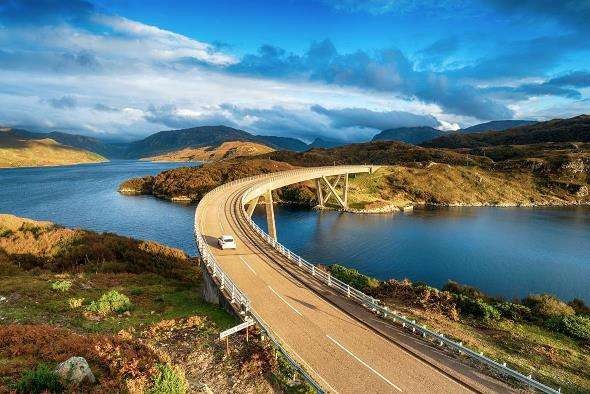
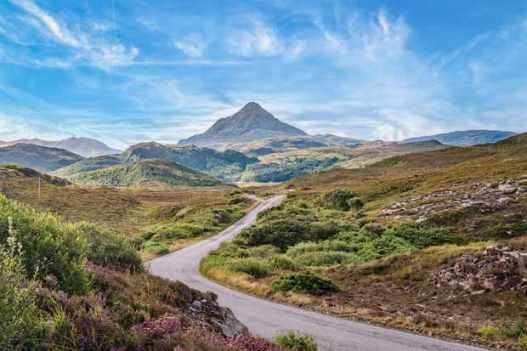
A fine way to experience the majesty of the Highlands, which covers an area of some 10,000 square miles, is on a road trip that takes in all or part of the North Coast 500.
Highlands top the Scottish trip list
By Ashley Gibbins
The Highlands provided the fourth leg of our Scottish road trip and not going there was never going to be an option.
The problem is how to fully appreciate this spectacular part the UK during what had unfortunately to be a limited first visit.
With just two and a half days at our disposal, the solution inevitably required careful planning and a good deal of driving.
On the road
Spending most of any given day behind the wheel is not necessarily ideal, albeit sometimes inevitable.
Driving through the Scottish Highlands is one of those truly memorable exception.
It was exhilarating in the same way touring the Ardeche region of France was on a previous road trip.
(see : Rural bliss and beauty in the Ardeche : http://allways.williamjack.e-kei.pl/continents/europe/rural-bliss-and-beauty-in-the-ardeche).
Majestic beauty
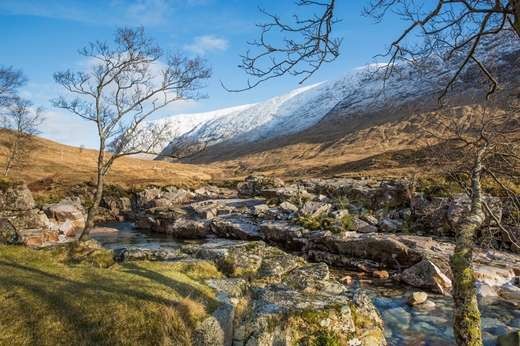
The majestic natural beauty of the Highlands can be almost overwhelming.
Towering mountain ranges dropping down to heather clad hillsides cut through with cascading burns.
Head to the coast, as we did around the Dornoch Firth, and there are miles of sand beaches with sea birds foraging the shoreline and seals basking within eyesight.
Driving along winding roads off peak, with only the occasional car for company, means the driver can take his or her eyes off the road to appreciate the scenic grandeur of the Highlands infolding all around.
At busier times there are any number of pull-ins.
Finding a base
For our Highlands trip, Ann and I based ourselves at Tulloch Castle, at Dingwall (see below).
This gave us the chance to 'taste' part of the North Coast 500 scenic route through the region.
We were also able to visit Dunrobin Castle along with the attractive country market town of Dornoch and its nearby beach.
We then spent our second day visiting Urquart Castle and driving a circular route around Loch Ness.
The North Coast 500
The North Coast 500 is now recognised as one of the world's scenic road trips.
It has taken its place alongside the likes of Route 66 in the USA, Australia's Great Ocean Road and Ireland's Wild Atlantic Way.
This coastal driving route is so named as it covers over 500 miles of the North Highlands in a circular route that starts and finishes in the Highland capital of Inverness.
A circular route
The circular route starts and ends in Inverness, taking in along the west coast to Applecross and on to the towns of Torridon and Ullapool.
It passes Caithness and John o' Groats before heading south again through Dingwall and finally back to Inverness.
Around the route one also comes across a string of small villages including Lochinver, which sits at the head of Loch Inver.
The villages of Durness, Tongue and Thurso are accessed by single track road.
The Smoo Cave, a mile from Durness, can be explored by boat or from a cliff path and Faraid Head and Balnakeil Bay is also nearby.
Rich in wildlife
The North Coast 500 passes through and area rich in animals and birds.
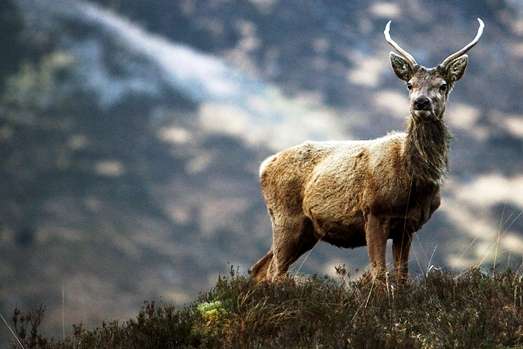
The Highland cattle that roam freely, often on the beaches, and deer are also a common sight along the route.
During the summer months they tend to graze higher up on the hills, while in autumn and winter they are a common sight throughout the glens.
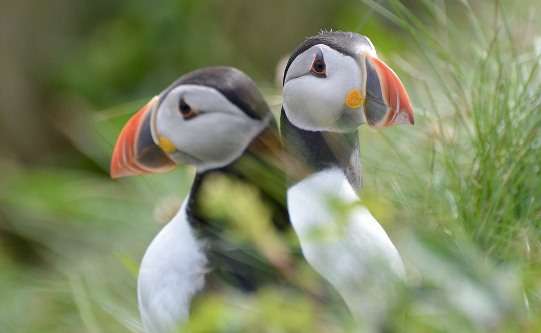
For bird watchers, the North Coast 500 offers the chance to spot breeding puffins between April and early July.
There are spots along the route where one can view the puffinries without disturbing the nesting birds.
As for the many birds of prey, all eyes are open for the osprey when they arrive to breed each spring.
The route also brings one within viewing distance of colonies of grey and common harbour seals and their pups.
Whales, dolphins and porpoises are common visitors to the waters along the route with sightings of orca (killer whale) pods sighted during the summer particularly memorable.
The North Coast 500 website provides the information needed to make the most of a drive along the route, including places to stay.
A Scottish chateau in the heart of the Highlands
We used the North Coast 500 to visit Dunrobin Castle and Dornoch.
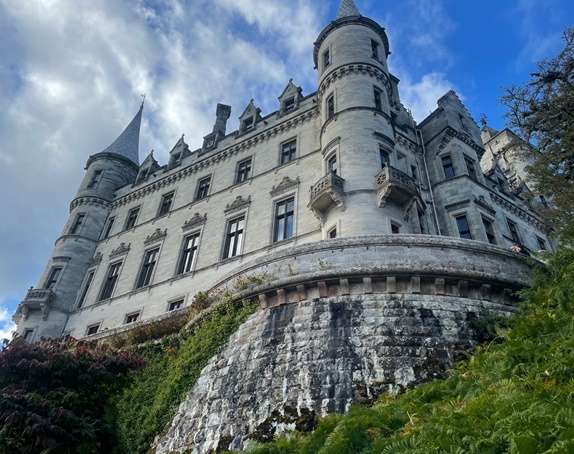
Dunrobin Castle, which resembles a French chateau, is located on the northern Highlands overlooking the Moray Firth, an inlet of the North Sea.
Based on Versailles
The Palace of Versailles in Paris provided the inspiration for the gardens at Dunrobin and the layout remains largely unchanged.
This stately home, and family seat of the Earl of Sutherland, is the most northerly of Scotland's great houses.
Continuously inhabited since the early 1300s, the current castle and gardens date from 1835.
Visitors can take a self-guided tour through the grand state rooms on the first floor and through the smaller rooms in the older parts of the castle.
The gardens were laid out in 1850 by the architect Sir Charles Barry, who was responsible for the Victorian extension to the Castle and who also designed the Houses of Parliament.
A Victorian museum, in the gardens, contains a very large collection of stuffed animal heads, which might not please everyone.
Dunrobin Castle is open to the public from 1 April to the end of October.
Dornoch
Following our tour of Dunrobin, we headed to the attractive historic town of Dornoch.
Ann to visit the independent antique, gift and craft shops and the jewellery and country clothing units clustered in Jail Dornoch, once the town jail.
Me to decide which of the pubs to select for an ale (the Dornoch Castle Hotel).
The beach
It was then on to Dornoch's 'Blue Flag beach, which stretches for some miles and offers the chance for an embracing walk.
No need for a monster in this loch
Nessie superfluous to requirements at Loch Ness for our final day in the Scottish Highlands we focussed on Loch Ness.
Staring the day at Urquart Castle, we then drove the Loch' 23 mile length before heading back south.
The freshwater Loch Ness is a largest lake in the UK, by volume, containing more water than all lakes in England and Wales combined.
Urquart Castle
The ruins of Urquhart Castle, which stand on the shore of Loch Ness, offers a fitting first stop on a trip along the loch itself.
It was one of Scotland's largest castles and built at a strategically important position on Loch Ness.
The stone structures visitors can explore today, date from the castle built in stages between the 13 and 16 centuries, on the site of an earlier fortification.
Walking around what still remains of it one cannot help but be taken with the views if offers of the loch.
Learning more of the castle history, one quickly comes to appreciate that the view was not high on the list of those who lived within its fortifications.
Apart from the fact that it was a bleak and barren existence (no cafe and gift shop as now) and also saw turbulent times.
It was fought over by the Scots and English, during the Wars of Independence The power struggles continued, as the Wars of Scottish Independence in the 14th century.
Attacks on and skirmishes involving the castle continued through the centuries until, in 1745, the last of the government troops garrisoned there during the Jacobite Risings blew up the castle before they pulled out.
Urquhart Castle was of little use to anyone and so remained a carcass of what once had been.
Its only role as a folly feature for the romantic artists during Victorian times.
Urquhart was deemed worthy of protection in the early 20th Century and is now managed by Historic Environment Scotland.
Loch Ness
Having spent time gazing at Loch Ness from the elevated position Urquhart affords, it was time to get back into the car and drive its length.
One can opt for the speedier but busier A82, which hugs the Loch.
But for a slower meandering and more scenic route, with far less traffic, I would recommend taking the B852 along the south side of Loch Ness.
This gets you to Inverfarigaig village, where one can stop and stroll to the historic Inverfarigaig Pier, built by engineer Thomas Telford.
For the more active the new 80-mile Loch Ness 360° Trail, is a loop around the lake.
Although this walking, cycling, running and outdoor activity trail starts and ends in Inverness, it offers six 'bite sized' sections.
Finally, and briefly, mention of the monster.
Made infamous by the 1933 photograph, and over 1,000 eye-witness accounts of sightings or unexplained happenings, Nessie has never been discovered.
There are those who would tell you this has baffled scientists.
Could it be that there is no 'monster' is one explanation worth exploring.
Not for the hugely popular Nessie cruises that sail out of from Inverness, Fort Augustus and Drumnadrochit.
While you may not see the Loch Ness Monster, the cruise will be memorable for being on this stunning stretch of water.
www.historicenvironment.scot/visit-a-place/places/urquhart-castle
www.visitscotland.com/blog/attractions/loch-ness-hidden-gems
www.visitinvernesslochness.com
The place to stay
The Tulloch Castle Hotel
By Ann Mealor
Located in the Highlands above the ancient town of Dingwall, stands the magnificent Tulloch Castle.
Dating from the 12th Century, Tulloch is steeped in clan history and has all the aura and atmosphere of times gone by.
Some say it is haunted, but what good castle doesn't have a resident ghost?
Fortunately (or unfortunately) for us, the only spirits we came across were in the bar!
However, guests can delve deeper into Tulloch's hidden secrets and hear spine-tingling stories behind the legends by booking a history and ghost tour.
The Great Hall
The hotel has many period features that document its long life including the 250-year-old panelled Great Hall.
The expertly refurbished original ceilings and fireplaces all form part of the Tulloch story and its turbulent and vibrant past.
On entering the castle, as one might expect, there is a huge hall and fireplace where many a crackling log has burned brightly over the years.
Ox-blood leather, Chesterfield sofas and tartan covered chairs are scattered about, ideally placed to enjoy a cosy coffee with friends or a warming whiskey after dinner.
We climbed the ancient carved staircase to our room, admiring the stained-glass windows and the medieval style, cast iron light fittings hanging like crowns from the ceiling.
As I trod the creaking boards, I thought about those who had done the same many hundreds of years ago.
Whatever their lives and ours now, this staircase had remained the same; reliable and solid, spanning the centuries, bringing past to present.
The room
Our room was large, light and very grand – traditionally furnished but with all the mod cons needed to make a stay in today's times very relaxing.
An elegant four poster bed took pride of place and there was a small seating area in the window to enjoy a glass of wine and stunning views across the grounds.
There was plenty of tea, coffee and shortbread biscuits on the hospitality tray so we were never short of a hot drink.
The bathroom was modern and gleaming with a large, walk-in shower and large bottles of environmentally friendly toiletries.
The room felt very welcoming and homely whilst maintaining an air of castle-like grandeur.
Tulloch has 22 bedrooms and all are different reflecting the castle's personality.
Dining at the castle
During our stay, we dined in The Turret restaurant, serving fresh Highland produce, each evening and the menu provided plenty of choice.
The chairs were 'antique' style in a traditional patterned fabric and very comfortable.
Crisp, white linen cloths covered the tables and a plush tartan carpet, the floor.
For starters, the local crab and prawn tian was a real treat and the warm vegetarian haggis bon bons an unusual find and very tasty.
For mains, the sea bass, on a bed of green vegetables topped with crispy onions was very good and plentiful, as was the battered haddock and chips.
There was a range of desserts, including old favourites such as sticky toffee pudding.However, the zesty lime cheesecake on a crisp, biscuit baste stood out.
Breakfast at Tulloch Castle is the time to fuel your body for the day ahead.
This hearty meal included the 'full Scottish' of haggis, sausage, eggs, bacon, mushrooms, beans and more.
There was also a substantial vegetarian option, so no need to stop for lunch.
Porridge is also available (of course) with a range of other cereals, fruit etc.
Tulloch Castle is the ideal stop if you are just about to start of finish the North Coast 500 route around Scotland.
Or for a stay near to Loch Ness.
It is dog and people friendly with helpful staff and a warm welcome for all.
www.bespokehotels.com/tullochcastlehotel
Bespoke Hotels
Tulloch Castle is part of the Bespoke Hotels group of boutique and luxury hotels, whose Scottish properties includes :
- The Carnoustie Golf Hotel: www.bespokehotels.com/carnoustiegolfhotel
- The Bonham, Edinburgh : www.bespokehotels.com/thebonham
- Stonefield Castle, Argyll : www.bespokehotels.com/stonefieldcastle
In addition to this AllWays Traveller to the Highlands and Loch Ness, you can also enjoy :
- AllWays Traveller to Edinburgh, Scotland's capital city
- AllWays Traveller to the Scottish Borders
- AllWays Traveller to the Cairngorms
- AllWays Traveller to Carnoustie
Useful links
Location (Map)
About the author

Contact info

ISSN 2634-7032
London, United Kingdom
+44 0 7764 198 286