AllWays Traveller Features
Wildlife in the Celtic Routes

The Celtic Routes, which take in the counties of Pembrokeshire, Ceredigion and Carmarthenshire in Wales and Wicklow, Waterford and Wexford in Ireland, offer the chance to discover a range of wildlife.

Wales
Dolphin Spotting off New Quay, Ceredigion
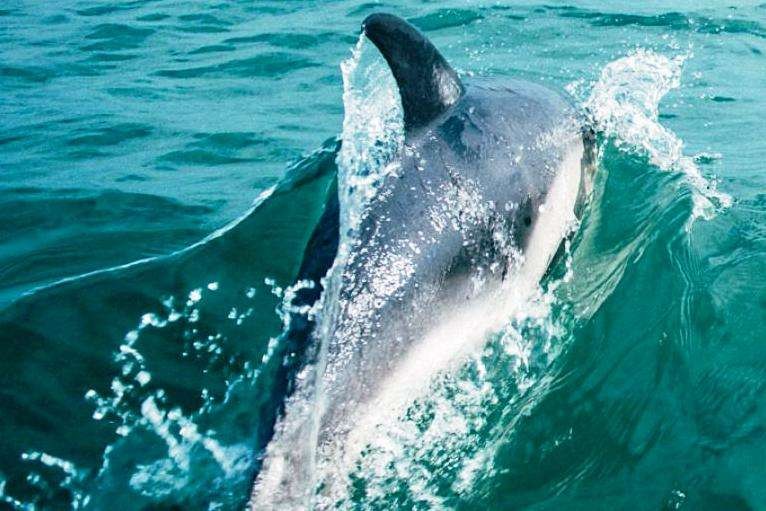
Cardigan Bay is known for its bottlenose dolphins, with a population of around 250 thriving on abundant feeding grounds, undisturbed habitat and clean waters.
It's possible to see bottlenose dolphins all year round, with prospects best during the summer months when there's plenty of mackerel.
At New Quay they can be seen them from the harbour wall.
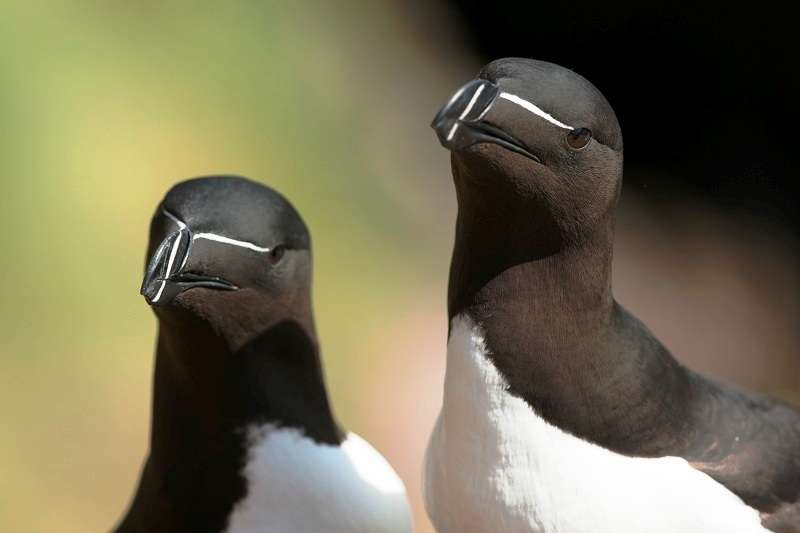
Taking a charter boat trip out into Cardigan Bay is also a good way to see colonies of seabirds as well as the dolphins.
Bottlenose dolphins are highly intelligent and sociable.
The will often leap alongside boats and ride the bow wave.
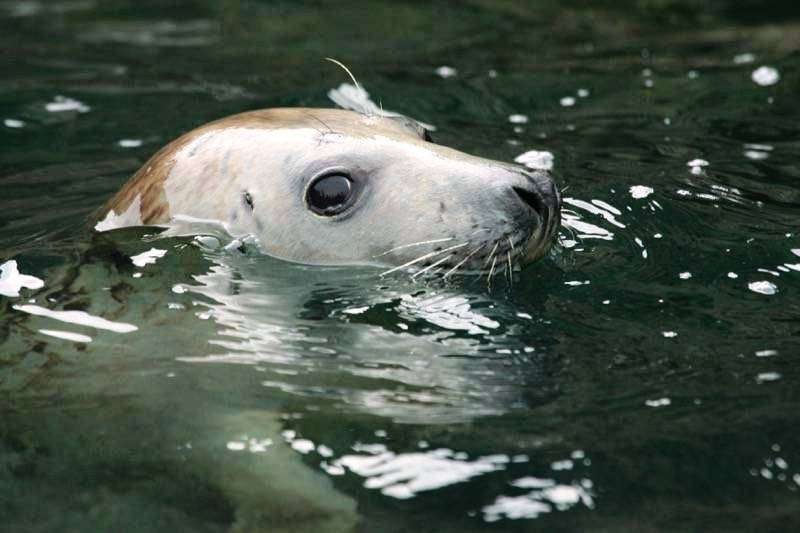
The Cardigan Bay Marine Wildlife Centre is a free facility where visitors can learn how to spot dolphins, harbour porpoises and Atlantic grey seals.
www.celticroutes.info/celtic-moments/dolphin-spotting-off-new-quay and www.newquay-westwales.co.uk/dolphins.htm
Pembrokeshire Islands
The seven Pembrokeshire islands comprise Caldey Island, Grassholm, Middleholm, Ramsey Island, Skokholm, Skomer and St Margaret's Island.
While all were inhabited in prehistoric times and most were farmed well into the 20th century, all except Caldey are now uninhabited.
Many are warden managed nature reserves with Skomer, Ramsey and Caldey the most accessible via daily boat trips from the mainland between Easter and October.
It's a chance to spot puffins, Manx shearwaters and gannets.
www.celticroutes.info/celtic-moments/pembrokeshire-islands and www.pembrokeshire-islands.co.uk
Kidwelly Quay and The Wetlands in Bynea, Llanelli, Carmarthenshire
The south coast of Carmarthenshire is a place to spot migratory birds.
The county holds many sites of scientific interest including Kidwelly Quay and The Wetland in Bynea.
Kidwelly Quay, situated near to Kidwelly Castle, is located on the north bank of Gwendraeth estuary, where its sandy and muddy banks attract large numbers of birds including waders and wildfowl.
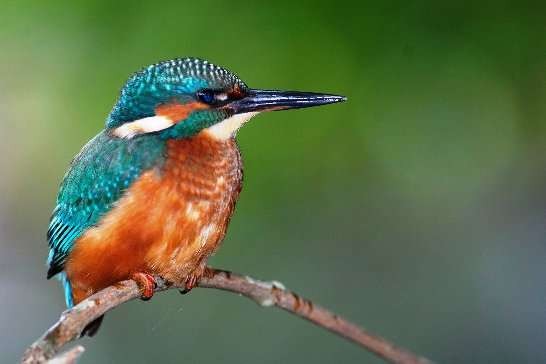
The WWT Llanelli Wetland Centre, the only Wildfowl and Wetland Trust centre in Wales, has 450 acres for wetland and wildfowl birds including Kingfisher, Black-tailed Godwit, Migrant Geese, Warblers, Lapwings, Sandpipers along with occasional spotting of Peregrine Falcons and Hen Harriers.
www.celticroutes.info/celtic-discoveries/kidwelly
www.wwt.org.uk/wetland-centres/llanelli
Seal Spotting at Cemaes Head, Pembrokeshire
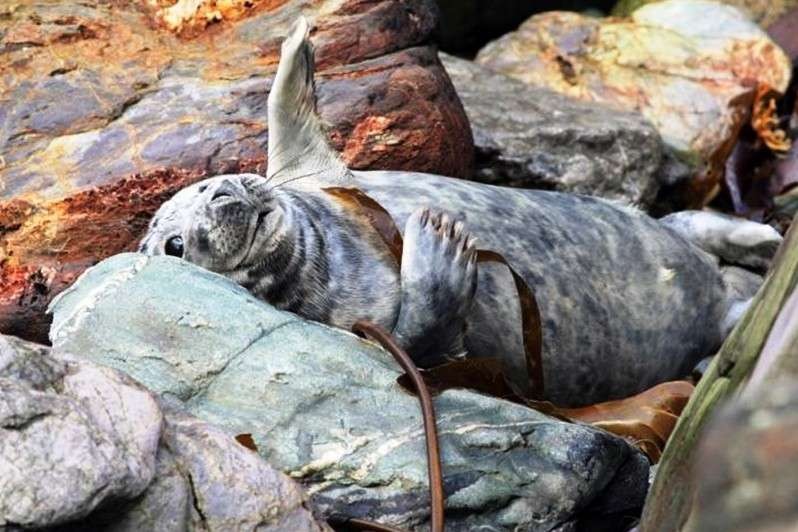
Autumn is the best time of year to spot Pembrokeshire's Atlantic grey seal, when the females come ashore to give birth.
There's a chance to see their white pups that are born between late August and November.
Within the first month, a pup will triple its birth weight thanks to mum's fat-rich milk before shedding its white baby fur for a thicker, darker, waterproof adult coat.
Cemaes Head, in Pembrokeshire, is the highest sea-cliff in Wales and an important breeding site.
The pebble beach below is the spot for the largest Atlantic grey 'haul-out' in Pembrokeshire, when up to 200 seals and pups can be ashore at any one time.
www.celticroutes.info/celtic-moments/seal-spotting-at-cemaes-head and www.ramseyisland.co.uk/wildlife/seals-porpoises
Red Kite at Ystradffin, Carmarthenshire
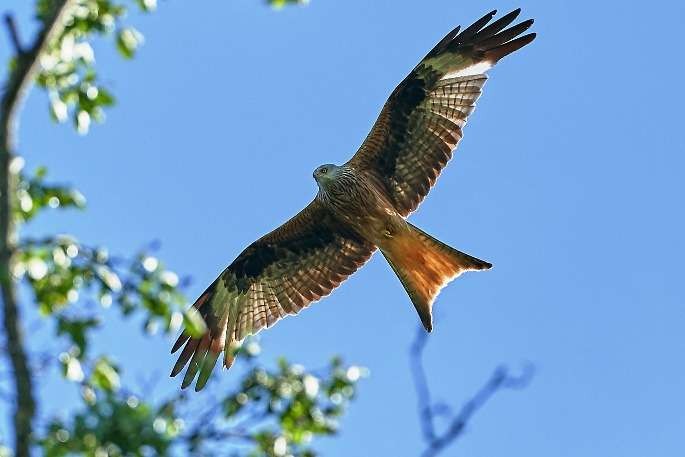
Persecuted to near extinction in the UK, the Red Kite could at one point only be found in Central Wales.
Red Kite reintroduction programmes have more recently taken place across the UK, with one of these most recent sites being in Carmarthenshire.
With narrow valleys and high mountains, the Ystradffin area poses one of the best habitats for this magnificent bird of prey.
www.rspb.org.uk/reserves-and-events/reserves-a-z/gwenffrwd-dinas
Cors Caron National Nature Reserve, Ceredigion
The Cors Caron National Nature Reserve is a 2,000-acre area of internationally important wetland near Tregaron.
The reserve includes three raised bogs, which are areas of deep peat that have built up over 12,000 years.
The untamed reed-beds, wet grasslands, woodland, rivers, streams and ponds sustain a variety of wildlife and the ever-changing colour-scheme of red, yellow and brown is in complete contrast to the surrounding green hills.
www.celticroutes.info/celtic-discoveries/cors-caron
www.naturalresources.wales/days-out/places-to-visit/mid-wales/cors-caron-national-nature-reserve
Ireland
Wexford Wildfowl Reserve, Wexford
The Wexford Wildfowl Reserve, which has been conserving nature for over 50 years, the reserve was founded as a winter sanctuary for Greenland White-fronted Geese.
Located on farmland reclaimed from the sea in the 1840s, it covers about 200 hectares and is part of the larger Wexford Slobs and Harbour Special Protected Area.
Four in 10 of the world's population of Greenland White-fronted Geese find shelter and food here, along with thousands of wildfowl, waders and other birds, with over 250 species of birds recorded.
Whales breaching at Hook Head, Wexford
November marks the beginning of whale watching season off the Hook Peninsula with Fin whales and the Humpback becoming particularly associated with the area.
Bird spotting at Ardmore, Waterford
Ardmore, in the west of County Waterford, is an excellent base for bird watching.
Ardmore Bay and the cliffs to the west are good for seabirds and there is excellent habitat for migrant birds at Ardmore Head and in the village itself.
To the east, a range of well-vegetated coastal valleys provide excellent migrant habitats and to the west, the the Blackwater callows and their woodlands provide many birding opportunities.
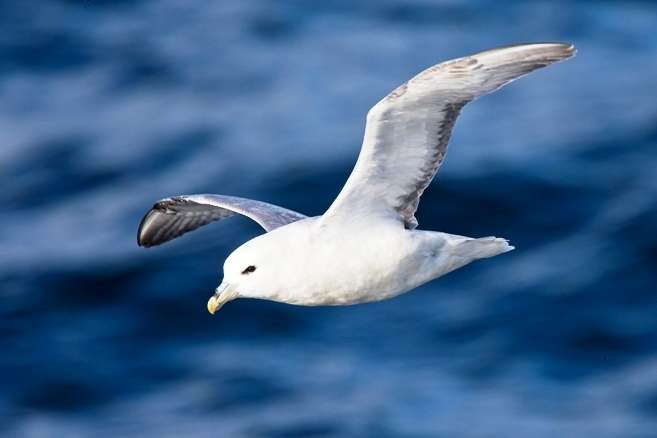
Typical birds include nesting Fulmars and Kittiwakes at nearby Ram Head; divers and waders in Ardmore bay; Whimbrel can be seen in spring; cliff-nesting House Martins; migrant Warblers and Goldcrests.
www.celticroutes.info/celtic-moments/st-declan-and-ardmore
www.irelandsancienteast.com/see-do/nature/nature-and-wildlife/bird-watching-in-ardmore
Avoca Valley, Wicklow
An area associated with the copper mining industry, the valley is where the Avonmore and Avonbeg rivers meet about two miles from the village of Avoca.
Avoca was the fictional village of 'Ballykissangel' in the late 90s BBC series of the same name.
The Golden Eagle Trust re-introduced a set of Red Kite birds into Kilmagig Forest and there are now 30 breeding pairs around the Red Kite Walk.
www.celticroutes.info/celtic-discoveries/avoca-valley
www.visitwicklow.ie/item/red-kite-walk
Bray Head, Wicklow
County Wicklow is known for its walking trails with the 7km cliff walk close to the Dublin-Wexford railway.
The railway workers built the path to transport tools and materials to the line below and, in doing so, created one of the most picturesque cliff walks on the east coast of Ireland.
The cliffs at Bray Head are home to Fulmars and birds of prey like Peregrine Falcons and Kestrels.
Useful links
Location (Map)
About the author

Contact info

ISSN 2634-7032
London, United Kingdom
+44 0 7764 198 286