AllWays Traveller Features
Johannesburg rates a stopover

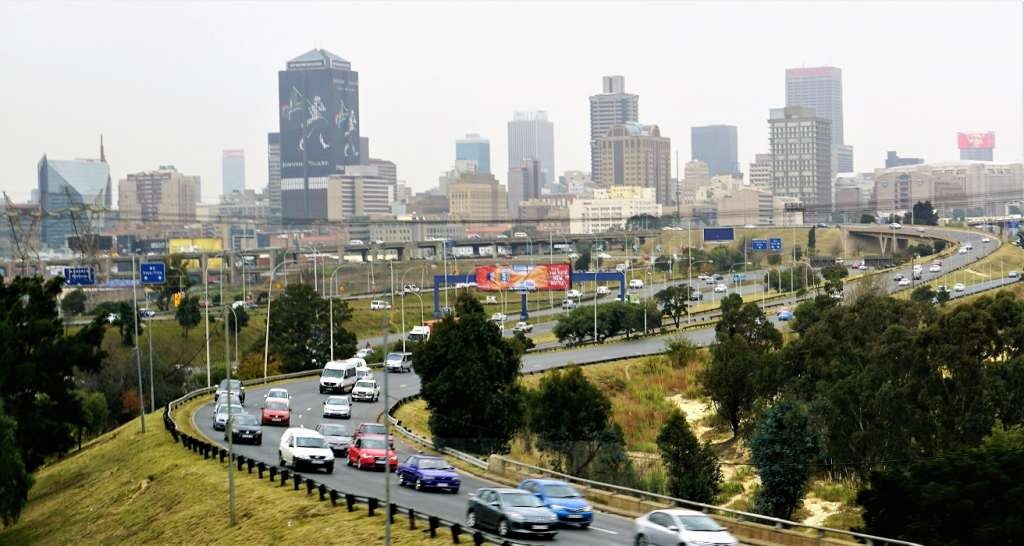
Johannesburg is South Africa's most diverse, progressive and energetic city, the country's best showcase for activism and optimism, according to travel guide publisher, Rough Guides.
There's really nowhere better if you want to see the face of modern South Africa and get a sense of how far the nation's come and where it's going next, the guidebook says.
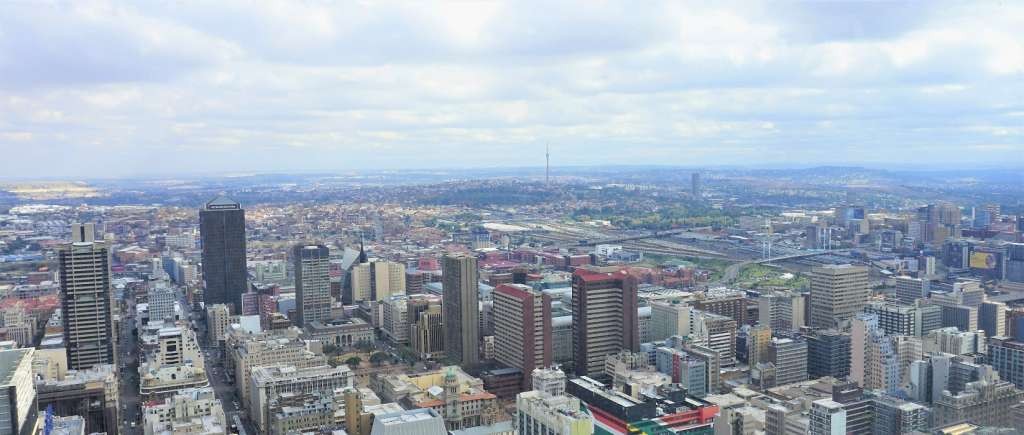
South Africa has many attractions – wildlife, beaches, vineyards, gardens – and to reach them most international visitors fly into Johannesburg and connect directly to their final destination.
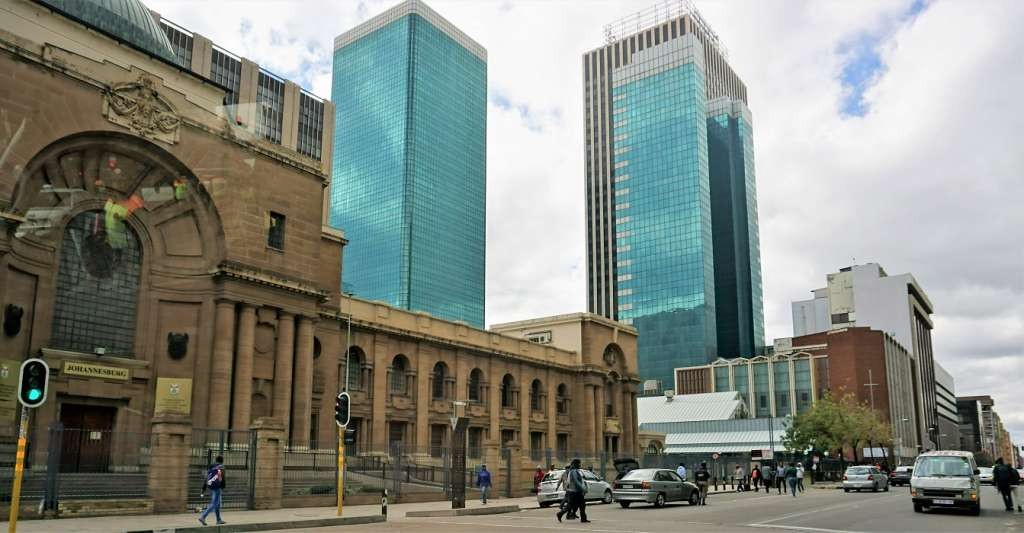
However, on this trip to the north-eastern game reserves we decided to stay for a few days in Johannesburg, South Africa's most populous city. Although not a capital city, Johannesburg is a major financial centre and the seat of the Constitutional Court.
Getting around
Johannesburg has a reputation as an extremely dangerous city, and while there is some truth in this view you will probably find it no more dangerous than many other cities in the world, if you are an experienced traveller and keep your wits about you. Nevertheless, it's best to tour downtown and certain other areas with a local guide, rather than independently.
Where to stay
Suburbs to the north of the city are the best places for tourists to stay and are perfectly safe to wander around independently. These include Sandton, Melrose and West Cliff, which is near the Johannesburg Zoo. Many expats live in these suburbs too.
On this trip we stayed at the Garden Court Sandton City, a large modern hotel close to Sandton Mall and adjacent to Nelson Mandela Square.
If you just want to stay overnight there are some decent hotels close to OR Tambo International Airport including the delightful Safari Club at Kempton Park, just four miles from the airport and with a convenient shuttle service.
Johannesburg, usually abbreviated in conversation and informal writing to Joburg, was founded in 1886, following the discovery of gold. Today Johannesburg is home to around seven million of South Africa's 60 million people. The city is located in Gauteng – the smallest of the nine South African provinces but the largest supporter of South Africa's GDP, contributing around 40 per cent.
While staying at Sandton City we took the opportunity to stroll around Nelson Mandela Square, right next door. The square is considered to be one of the most fashionable destinations in Johannesburg, offering more than 60 exclusive shops and boutiques, as well as fine dining experiences and pavement cafes.
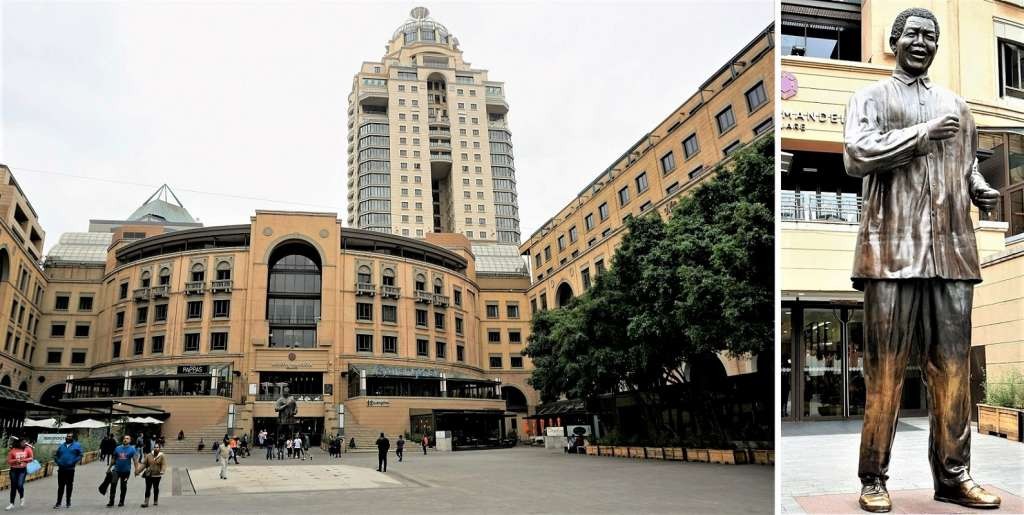
It also has an impressive statue of the man it is named after. Standing six metres tall and weighing 2.5 tons, the bronze Nelson Mandela statue was unveiled on the occasion of the centre's 10-year anniversary and 10 years of democracy in South Africa in March 2003.
Diversity
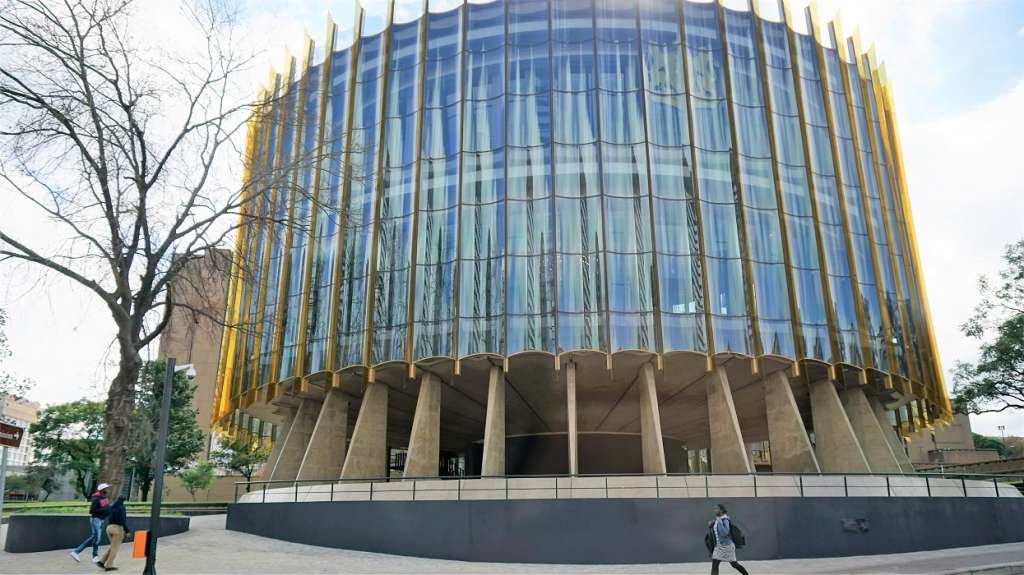
Johannesburg is a city of extraordinary contrasts and there is a surprising amount to see and do in the city. We hired a driver to take us around downtown, where we visited Constitution Hill, a living museum that tells the story of South Africa's journey to democracy.
The site is a former prison and military fort that reflects South Africa's turbulent past. Today, it is also home to the country's Constitutional Court, which upholds the rights of all citizens.
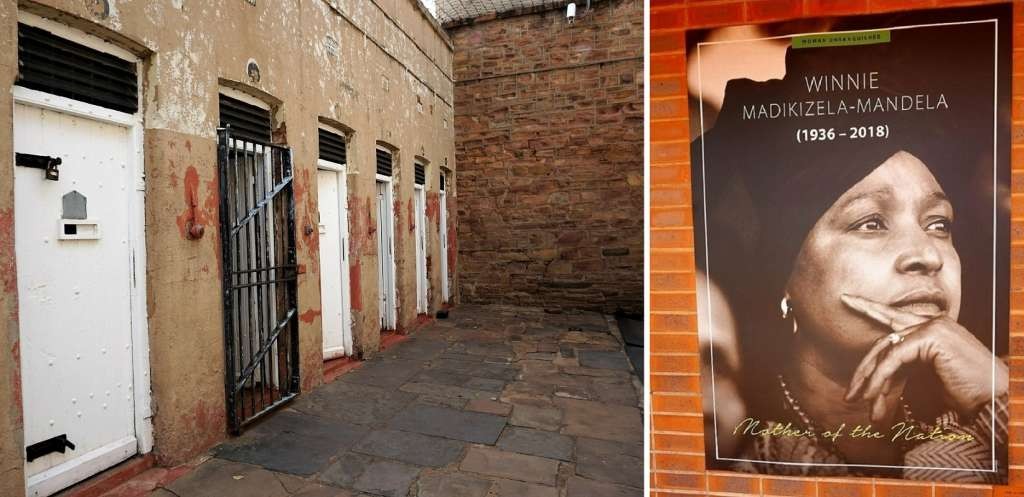
The prison has probably interned more world-renowned men and women than any other in South Africa. Nelson Mandela, Mahatma Gandhi, Albertina Sisulu and Winnie Madikizela-Mandela all served time here in either the Old Fort, for white male prisoners (and Nelson Mandela who was considered too influential to be housed with blacks), the Women's Jail, or Number Four for black prisoners.
But the precinct also confined tens of thousands of ordinary people during its 100-year history: men and women of all races, creeds, ages and political agendas. It is said that the history of every South African lives here.
Constitution Hill conforms to the principle of preserving sites of atrocity for posterity, so that future generations can learn from the past.
Soweto township
Then it was on to Soweto, an urban settlement or township south-west of Johannesburg, with a population of approximately 1.9 million. The name SOWETO is an acronym for South West Townships.
Soweto was created in the 1930s and became the largest black city in South Africa, but until 1976 its people were classified as temporary residents, serving as a workforce for Johannesburg. It experienced civil unrest during the apartheid regime and there were serious riots in 1976, sparked by a ruling that students there be taught in the Afrikaans language.
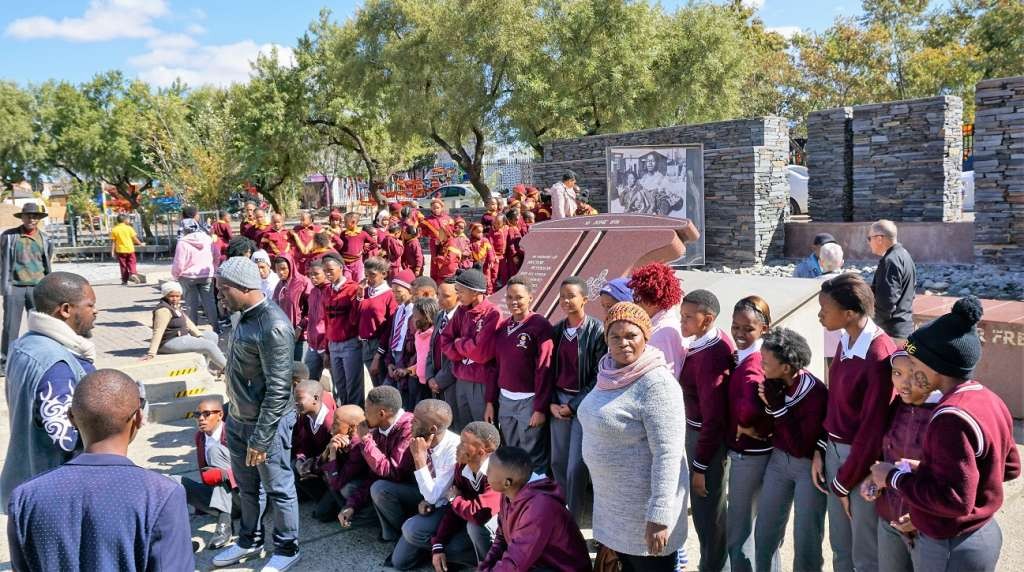
On 16 June of that year police used teargas and live ammunition to disperse demonstrators, killing at least 176 high-school students including 12-year-old Hector Pieterson, who became a symbol of youth resistance to apartheid. Reforms followed, but riots flared up again in 1985 and continued until the first multiracial elections were held in April 1994.
Incredibly, Soweto is a vibrant tourist hub today that offers unique sightseeing options in one of South Africa's oldest townships.
The shantytown parts are still there as well as more modern housing, but also sites such as Kliptown, the oldest residential district of Soweto established in 1891 and the place where the Freedom Charter was first adopted in 1955.
There are also the former homes of Archbishop Desmond Tutu and President Nelson Mandela on Vilakazi Street, the Hector Pieterson Memorial site, restaurants and shopping malls. It also boasts the largest hospital on the African continent – the Chris Hani Baragwanath Hospital – and claimed to be the third largest in the world.
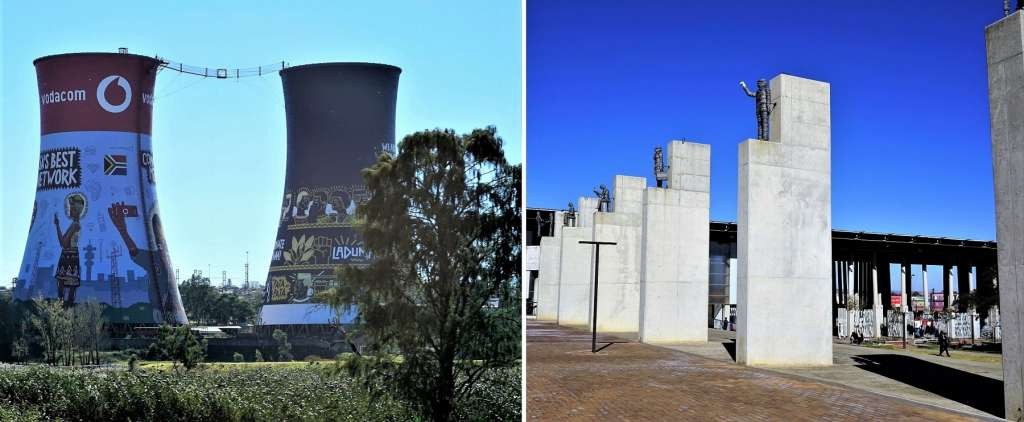
Then there are the old and highly conspicuous cooling towers, built in 1951 to supplement the spray pond cooling system, which was running at capacity. The power station was finally decommissioned in 1998 and transformed into an entertainment and business centre in 2006. Once dull and grey, the Orlando Towers as they are now known are the biggest works of public art in Soweto. Colourfully painted, one serves as an advertising signboard while the other displays the largest mural painting in South Africa.
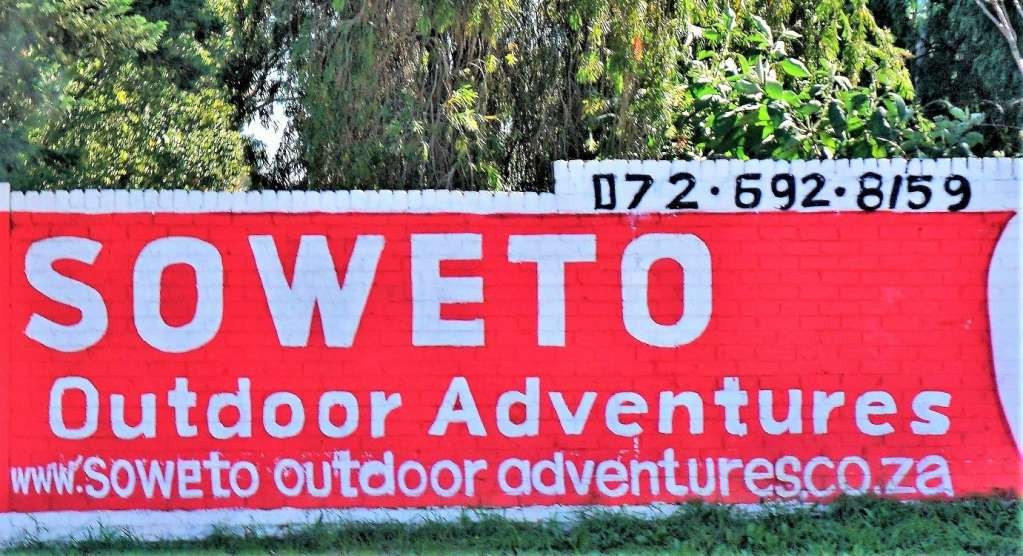
The towers now have a 100-metre-high suspension bridge between them, from where you can bungee jump. A number of other adventurous activities including quad biking and rock climbing are available from Soweto Outdoor Adventures.
Useful links
Location (Map)
When you subscribe to the AllWays Traveller, we will send you an e-mail when there are new updates on the site so you wouldn't miss them.
About the author

Contact info

ISSN 2634-7032
London, United Kingdom
+44 0 7764 198 286