AllWays Traveller Features
Wild animal interactions under scrutiny

In response the Southern Africa Tourism Services Association (SATSA) has embarked on a comprehensive research initiative to develop a long-term vision for South Africa's tourism industry with regard to animal interactions, ultimately to position South Africa as an ethical tourism destination.
Providing the tourism industry with a useful tool by which to evaluate and select animal interaction activities in the tourism space has moved yet another step closer with the launch of SATSA's draft Animal Interaction guide.
First guide of its kind
While the guide is comprehensive in its assessment of animal interactions in the tourism industry, and is the first to pin its approach on a locally-born ethical framework, its utility peaks in an interactive tool – an easy-to-use 'decision tree' which will allow tourism bodies, tour operators and tourists to assess animal interaction operations and make informed decisions to support ethically sound and responsible operators in South Africa.
This is the result of a year of research and robust consultation with the wider tourism industry and relevant stakeholders. Nationwide public workshops and an examination of local, regional and international guidelines, research and best practice contributed to the development of the guide.
The study and resultant guide and tool explore the intricacies of animal interactions including the reason why the animals are in captivity in the first place, the source of the animals, use of the animals while in captivity and the likely destination of the animals. This takes its ambit beyond the work usually done on captive, wildlife welfare to the full lifecycle of animal interactions.
The study conveys findings and recommendations around:
- Performing animals (all types of animals, including elephants, predators, primates, cetaceans, birds and reptiles trained to perform in a public show or display)
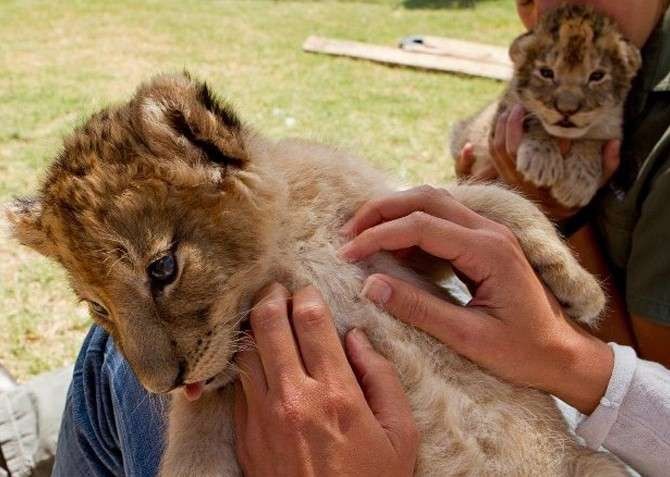
- Tactile interactions with infant wild animals (for example, cub petting)
- Tactile interactions with predators or cetaceans (any interaction with land predators or aquatic mammals)
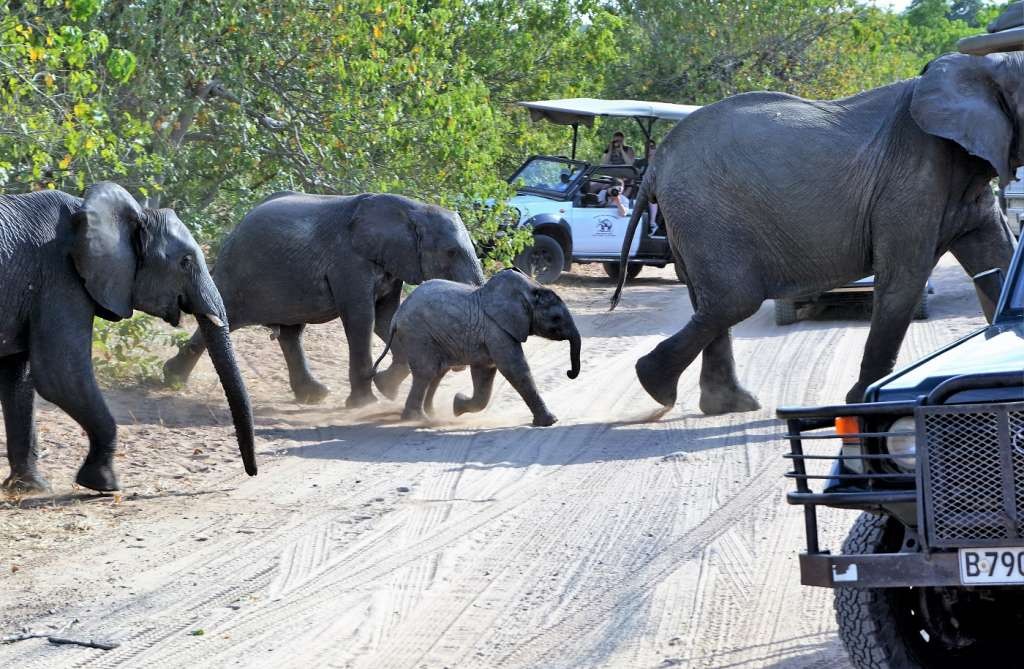
- Walking with predators or elephants
- Riding of animals (including sitting on elephants and ostriches)
Primarily, the research outlines a home-grown approach to a complex problem, one which draws a line – moving the South African tourism industry forward in terms of responsible and sustainable practices.
Leveraging the findings of the robust research study, SATSA will now collaborate with its members and the broader tourism industry to translate the research findings into practice. But not everyone has welcomed the news with some park operators claiming that implementation of the guide would have a negative impact on their business. However, it is understood the guide will remain just that – a voluntary code rather than a mandatory requirement.
Useful links
Location (Map)
When you subscribe to the AllWays Traveller, we will send you an e-mail when there are new updates on the site so you wouldn't miss them.
About the author

Contact info

ISSN 2634-7032
London, United Kingdom
+44 0 7764 198 286