AllWays Traveller Features
El Hierro, The Canary Islands, Spain

El Hierro, which is the second smallest of the Canary Islands after La Graciosa and a UNESCO biosphere reserve since 2000El, aims to become the first island that is 100% sustainable.
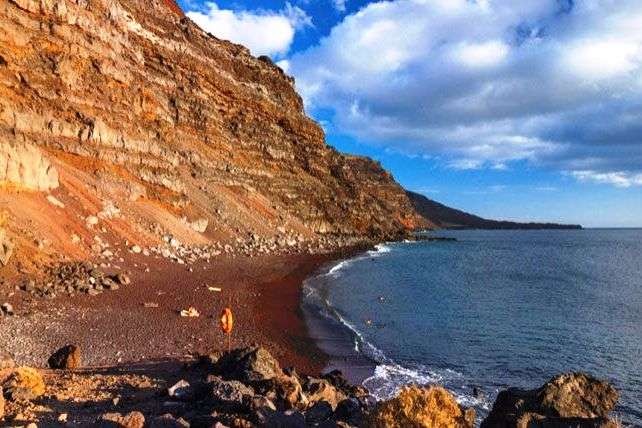
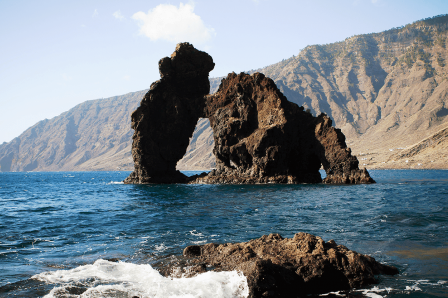
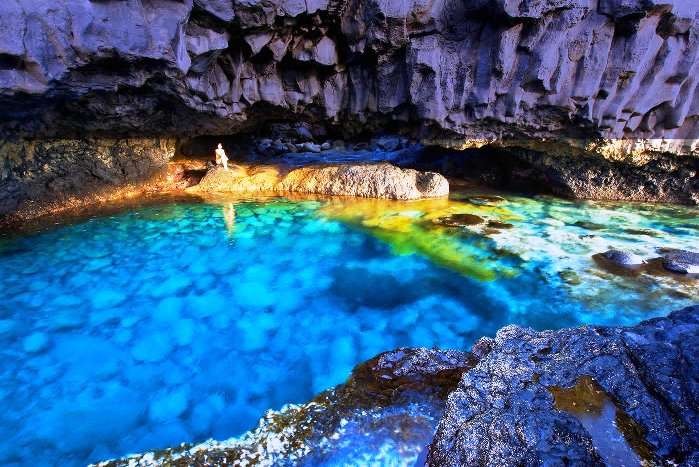
The island of 268 square kilometres has almost 11,000 inhabitants and its volcanic landscapes, swimming areas and pleasant year-round climate make this quiet and compact island an alternative Canary Island option.
Currently 60% of the island's energy needs comes from renewable sources.
Last summer, for 24 days in a row between July 13 and August 7, El Hierro managed to meet the energy needs of its entire population with renewable power alone.
This was a world first for an island and demonstrates the possibility of breaking its dependence on fossil fuels.
It would make El Hierro the first completely sustainable island in the world.
El Hierro began its journaey to sustainable living in 1997 when it established a strategy that embraced energy self-sufficiency, an environmentally friendly tourism model, organic farming and zero waste.
One of the pillars of this strategy was the construction of the Gorona del Viento hydroelectric power plant, which now supplies about 60% of the island's energy needs.
Of all the Canary Islands, El Hierro possesses the largest number of volcanoes; there are more than 500 cones, and the plant consists of a raised water reservoir installed in one of these empty craters.
The hills around the capital Valverde are known for their consistent sweep of wind and wind turbines have also been installed there as part of the project.
Since 2015 greenhouse gas emissions have been reduced by 40,000 tons and in 2017, the Gorona power plant alone, saved the island 6,017 tons of diesel which is equivalent to 40,000 barrels of oil.
Work is now underway to extend the power plant and introduce :
•wave power (which uses the energy generated by the ocean)
•photovoltaics (which captures energy from the sun with solar panels), and
•a battery bank (to gather surplus production which can be consumed at a later date).
UNESCO's Global Geoparks Network
In 2015 the island joined UNESCO's Global Geoparks Network of sites of unique geological heritage.
Ecological Agriculture
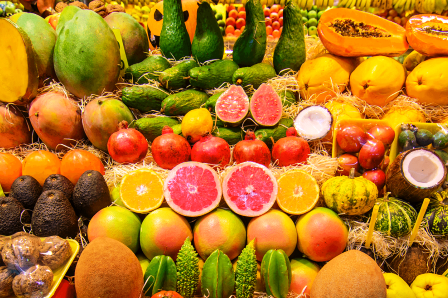
El Hierro remains the island with the largest area of certified organic production with 53 registered operators and 4,232 hectares in use (including pastures of the Dehesa).
Sustainable Tourism
Since first opening up to tourism in the 1980s, the island has preferred to stay away from the mass market model of tourist development.
The network of hotels on the island has a long-standing commitment to buying locally sourced products with accommodation including bio-shelters, eco-dwellings, agro tourist projects and camps.
El Hierro is a major destination for divers.
The Mar de las Calmas is one of the Canary Island's three marine reserves and there is rugged coastline, both of which offer marine flora and fauna including groupers, viejas, morenas, trumpet fish, lobsters, devil rays and whale sharks.
Useful links
Location (Map)
About the author

Contact info

ISSN 2634-7032
London, United Kingdom
+44 0 7764 198 286