AllWays Traveller Features
Florence, Italy, Cradle of the Renaissance

A trip to Italy with one part being Lake Como and another part being to Florence meant figuring out which segment I would travel on my own. A friend who sometimes travels solo suggested Florence as the part I venture out on my own because it is a large city with hotels centrally located to lots of the major attractions and a staff that could steer me towards the best sites.
.Traveling to Florence
After spending a week with friends in Lake Como, I set off by train to Florence. There are always hiccups in travel. My first hiccup was that while I had purchased a train ticket to Milan and then from Milan to Florence, the internet connection in the Como train station didn't work. I had to buy another ticket at the station from Como to Milan, but the internet did work in Milan to the Santa Maria Novella station so I was set for the rest of the journey.
My hotel
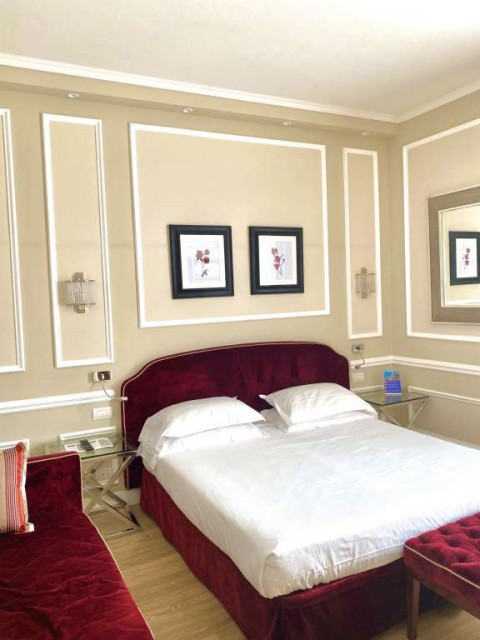
I chose a hotel central to the Duomo, Hotel Calzaiuoli, a charming 54-room boutique hotel with an elegant room complete with a burgundy velvet headboard, fainting couch, and footrest at the end of the bed.
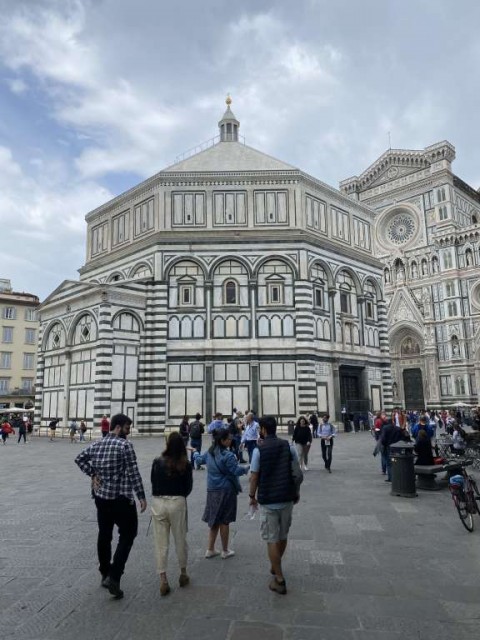
Within a block was the Duomo which made for an ideal location for my hotel.
Walking Tours and History of the Medicis
The next morning I had a food tour planned with Small Group Florence Food Walking Tour. This was a highlight of my visit. To read all about it, go to this address: https://toastingfoodwinetravel.com/florences-glorious-food-tour/.
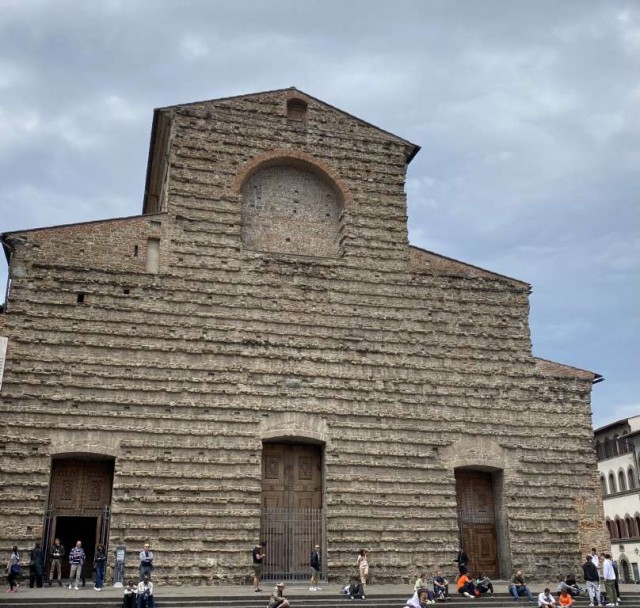
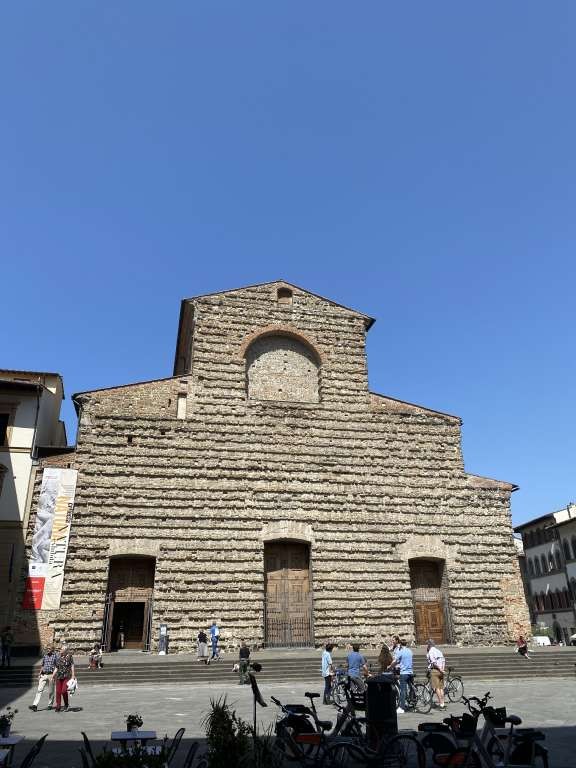
After the food tour, I did a history and culture tour of Florence through Viator. What I loved about that tour was seeing the original part of the city and learning about the legendary Medici dynasty. As an example of the history connected to this family, the Basilica of San Lorenzo where some of the Medici family are buried was consecrated in 393. Now that is old!
Most of the history of Florence is centered around the Medici family. The family, also known as the House of Medici, operated in Florence during the Renaissance in the 13th century. The family rose to power through their connection to the papacy and created the Medici Bank which became the bank of the papacy. Thus, they rose to power through banking and money rather than the family lineage. Tian Gastone de' Medici was the 7th and last Medici. He despised his wife of an arranged marriage and had no children.
The succession of the Medicis to maintain the throne is ridden with tales of alcoholism, syphilis, barren women, gambling, and a pimp to the Prince. Those are the tales that being with a seasoned tour guide can bring to life of the history of a monarchy.
Speaking of the Medici family, their crest is on the top of a building at the Piazza San Giovanni and made up of the five balls with the crown on top. There is much dispute about why these balls are on the crest. Some say it represents money, others say they are pharmaceutical pills or bitter oranges for the trade they conducted in the East.
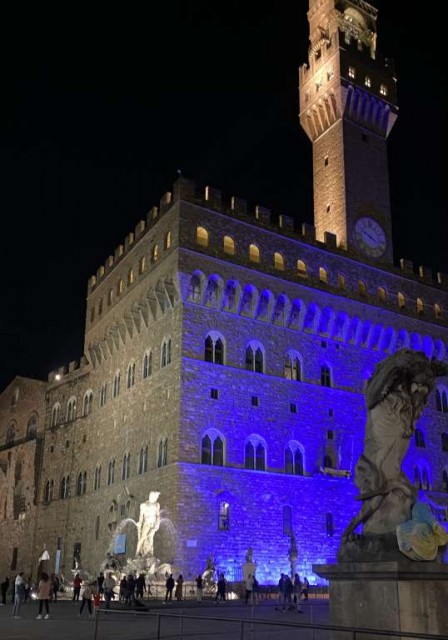
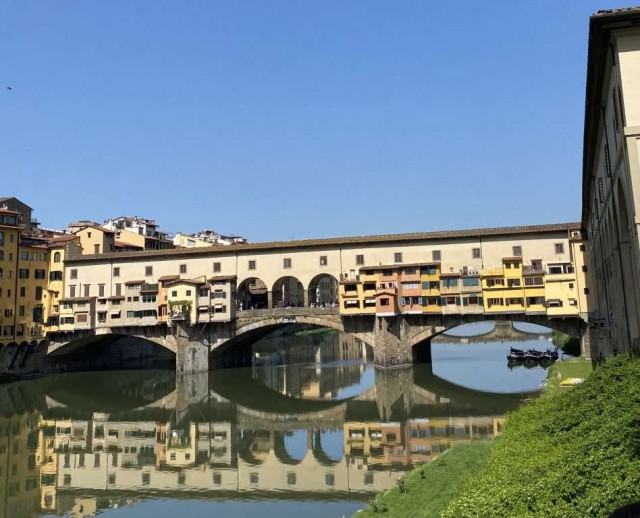
The Medici palace was the Palazzo Medici-Riccardi and was connected by the Palazzo Vecchio to the Uffizi and the Palazzo Pitti by the Corridoio Vasariano, a suspended passageway above the Ponte Vecchio, so the family could move undisturbed and safely between the two homes. The Ponte Vecchio, now home to gold and jewelry shops, was once a place where butchers had shops until the people of Florence were tired of the stench.
Another interesting building is the Torre dei Rossi Cerchi, at the historical center of Florence and built in the 13th century, has a bottom door that was for livestock. The reason it is built with a small footprint and is tall is that the less land a home took up, the less were the taxes. The notches were so they could go from one home to another by walking on boards.
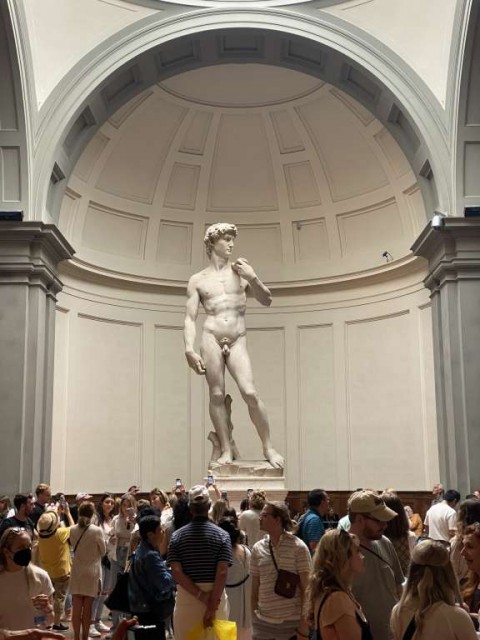
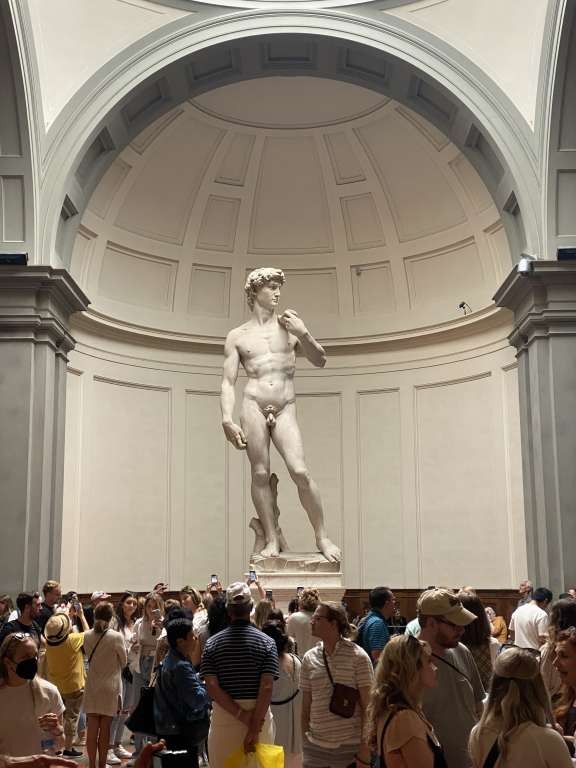
Of course no visit to Florence would be complete without visiting the Galleria dell' Accademia di Firenze "The Gallery of the Academy of Florence" where you can see Michelangelo's David. The size and perfection left me in awe.
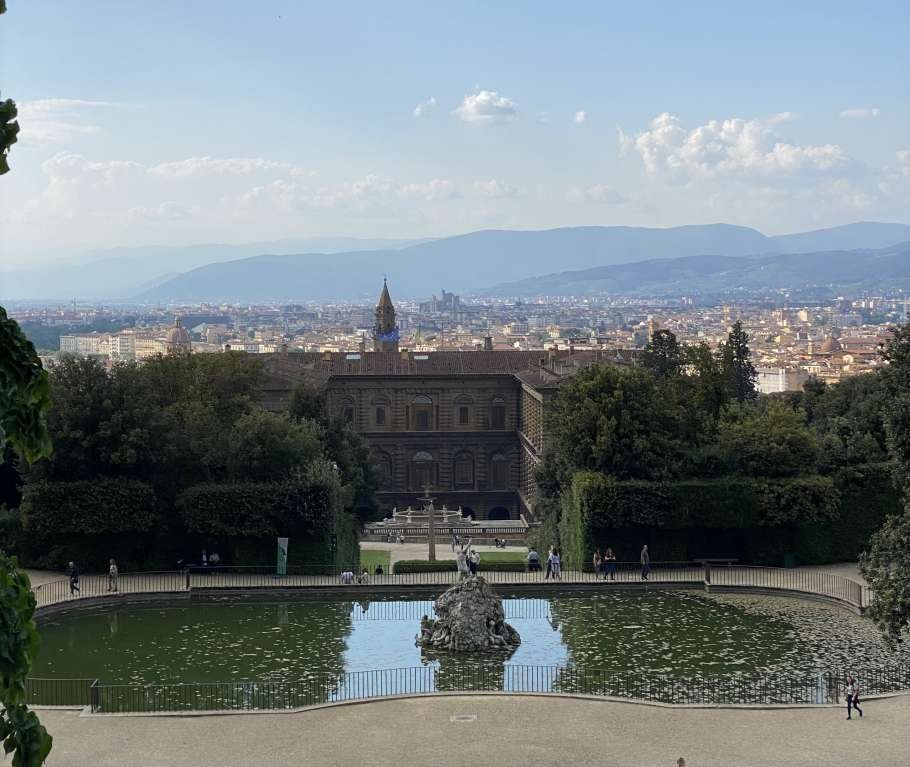
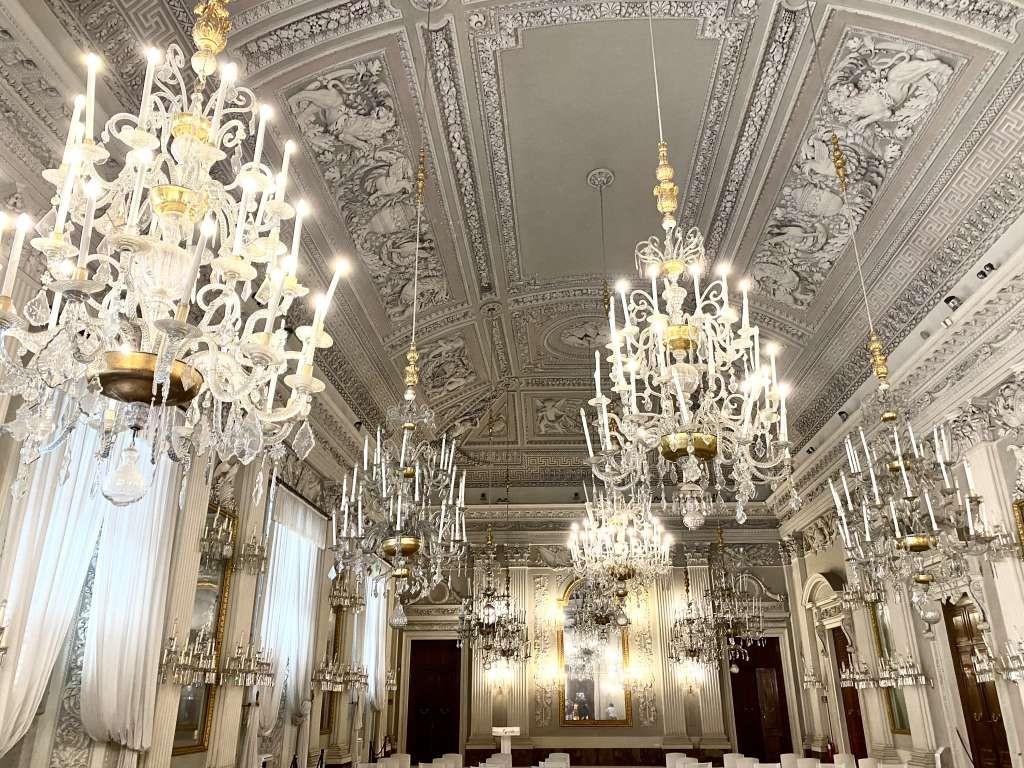
The amount of wealth displayed in the chandeliers and carving on the ceiling at the Pitti Palace is shocking. I wondered if the Medici family stayed on the second floor of the residence and gazed out the windows of the garden or actually ventured to the Boboli Gardens below. It would have been a long walk each day just to travel from one end of the palace to the gardens.
Dante
Dante, poet and politician, is well celebrated in Florence. He was exiled from the city for his political views. His wandering with his family caused him to write The Divine Comedy. Dante's church, Santa Margherita, is actually more the size of a chapel.
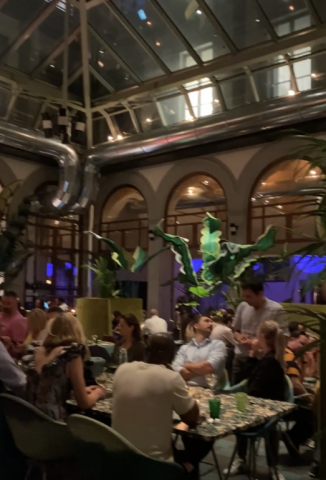
In contrast to all of the renaissance architecture, look for the 25Hours Hotel. This interesting Dante inspired hotel is located at the Piazza di San Paolino. Originally a monastery, it has an very contemporary bar with a glass ceiling and restaurant that serves seasonal food. The name and idea comes from Dante's Divine Comedy. Some of the rooms have red tapestry walls to look like a stay in hell. However, it is truly a luxury stay complete with a sauna.
Where to Eat
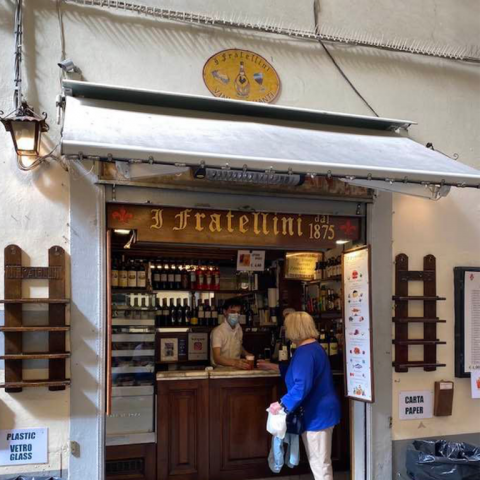
When I want to do a lot of sightseeing, I would rather grab a panini than spend an hour at a lunch spot. That's why a trip down a narrow alleyway to I Fratellini was the perfect stop. This small hole-in-the-wall panini shop offers a wide variety of paninis for 4 euros and a glass of wine for 3 euros that customers chow down on while standing in the alley or sitting on small stools for just this purpose. This perfectly tiny shop has been around since 1875 which attests to how much the locals enjoy it.
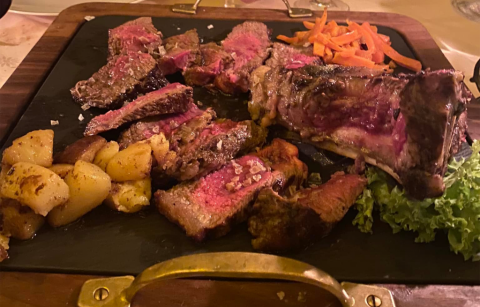
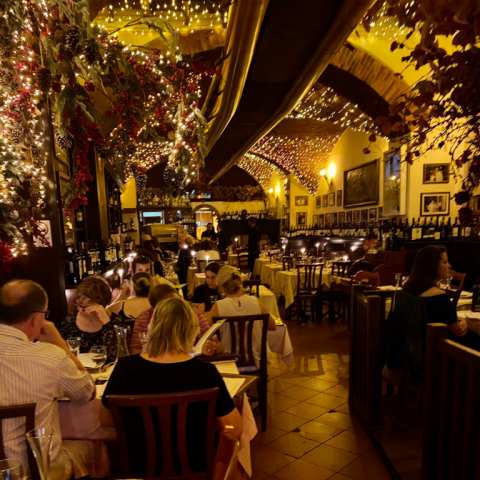
Walk down a narrow street in the historic district of Florence between the Duomo and Piazza Santa Croce to La Giostra and you will be surrounded by small twinkling lights overhead and photos of family and friends from the generations. This 16th century "giostra" of brick arches once housed horses from a nearby carousel, a "giostra." The story is that the owner was a prince who lived in a family castle in Chianti and learned cooking from his grandmother. A first course suggestion is the Carpaccio di Carne Chianina (the gigantic beef cow of the region) with Parmigiano. Then, on to the Tagliatelle fatte a mano con ragu Toscano (handmade tagliatelle pasta with ragu sauce.) For the main course, I would try the Bistecca alla Fiorentina (porterhouse steak) or the Ossobuco di vitelli alla Toscana (veal with bone Tuscan style.)
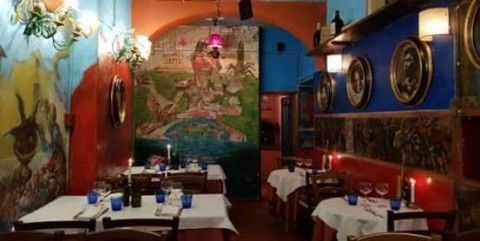
Sitting right behind the Mercato Centrale of the San Lorenzo district is one of the most colorful restaurants in Florence called Trattoria Garga. Walk through the door and see brilliantly painted walls with alcoves full of frescos, sculptures, and works by traditional Florentine artists under the vaulted ceiling. Specials are that Bistecca alla Fiorentina (the Florentine porterhouse), delicious Eggplant Parmesan, and Porcini Mushroom Pasta. Dining at Trattoria Garga is a visual experience in both the interior and the food
Whatever you do, enjoy the charm, romance, and beauty of this extraordinary city, the Cradle of the Renaissance.
Useful links
More photos of Florence
When you subscribe to the AllWays Traveller, we will send you an e-mail when there are new updates on the site so you wouldn't miss them.
About the author
Contact info

ISSN 2634-7032
London, United Kingdom
+44 0 7764 198 286