AllWays Traveller Features
Protected areas on the Balearic Islands, Spain

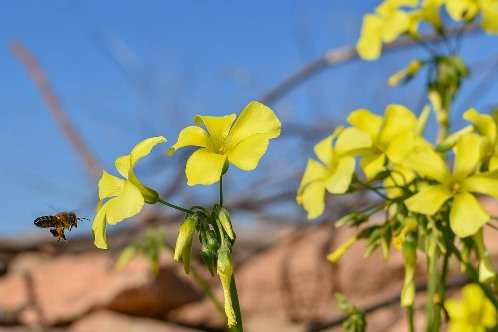
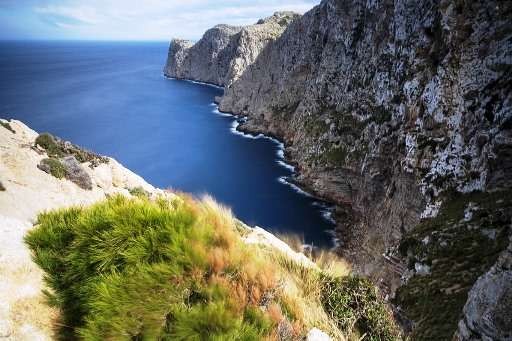
The Balearic Islands : Mallorca, Menorca, Ibiza and Formentera have a National Park, four UNESCO declarations and eight Natural Parks.
With approximately 40% of the total landscape protected, the archipelago offers a destination to experience an ecological paradise akin to the Galapagos Islands.
This ranges from Menorca's turtles found, in s'Albufera des Grau Natural Park, to the Posidonia seagrass meadows which give the islands' waters their signature turquoise colour.
Birdwatching
The Balearic Islands' central location in the Mediterranean makes the archipelago an ideal stopover for birds along the Western European migratory route.
It is estimated that over 300 different species make a stop on the islands, which, combined with the hundreds of birds which nest across the Balearic Islands.
Among the endemic bird species are the Balearic Shearwater, Balearic Warbler and subspecies such as the goldcrest or the Eurasian blue tit.
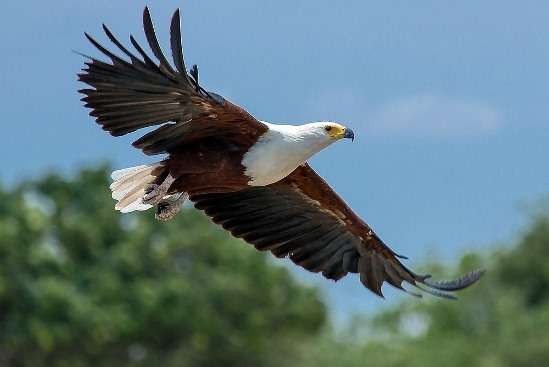
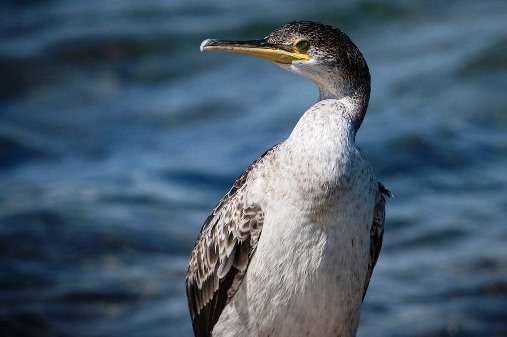
Menorca's s'Albufera de Grau Natural Park, a UNESCO Biosphere Reserve, is home to an enormous variety of birds including cormorants, herons, fish eagles.
Ses Salines Natural Park between Ibiza and Formentera comprises 2,800 hectares of land and 13,000 hectares of ocean, creating a home flamingos, peregrines, storks, white jars, and black-legged plovers.
Flora
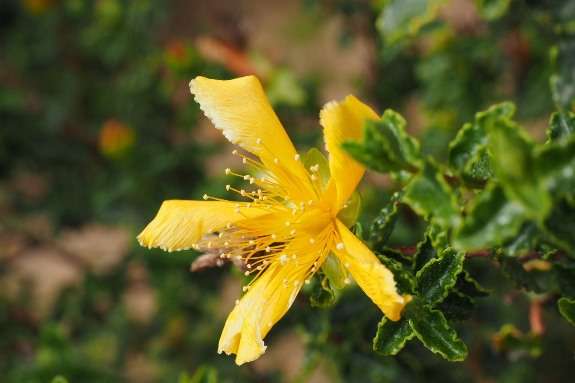
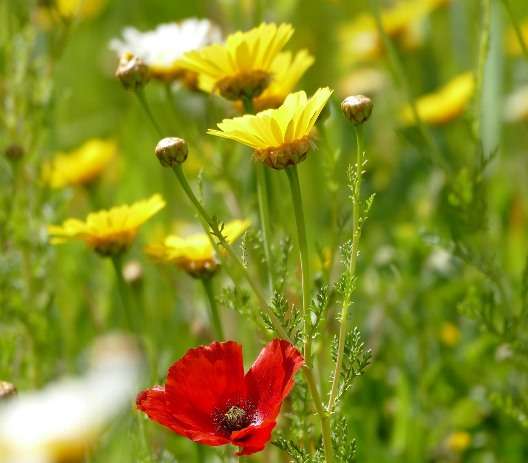
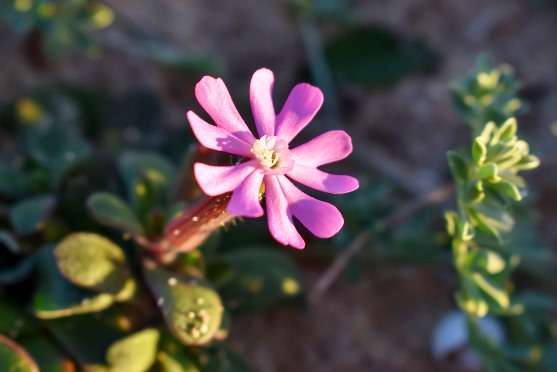
The Balearic Islands have 124 species of endemic plants, on land and sea, including 31 orchids, 32 ferns, and 67 protected species.
Alongside the endemic plants are 130 species from outside the islands, spread across various habitats, from the forested hills of El Toro, the highest point on Menorca, to the coastal natural reserve of Es Vedrà, Ibiza.
The Island of Cabrera is made up of 19 islets, is ten kilometres off the coast of Mallorca.
A Maritime Terrestrial National Park, the island has 160 species of marine plants, 22 of which are endemic, and is one of the most biodiverse Mediterranean spots.
With 85% of the surface of the park is water, there is the chance to take boat tours to Cabrera's coves to snorkel.
The Balearic Islands' most well-known flora is the Posidonia Oceanica.
Found only in the Mediterranean basin, this seagrass forms dense meadows which act as a natural purifier and support the local marine ecosystem.
Its importance to maintaining biodiversity led to Ibiza's Posidonia oceanica meadow being named a UNESCO World Heritage Site.
Fauna
The Balearic Islands are home to 300 endemic animal species.
Among the most important ecosystems and habitats in the archipelago are the protected salt pans, wetlands, mountainous areas, gorges, and cliffs in which they reside.
The Sierra de Tramuntana, Mallorca, is the largest protected area in the Balearic Islands, comprised of 90km of mountains and 1,000 hectares of sea.
A UNESCO World Heritage Site, the Mallorca Ferrett toad is endemic to the mountains here.
This iconic symbol of the island is one of the rarest amphibians in all of Europe, and currently in danger of extinction.
The freshwater lagoons in Menorca's s'Albufera des Grau Park, covering 5,000 hectares.Here are found bats, urchins, rabbits, weasels and ferrets.
The Hermann's Tortoise, identified by its hard yellow upper shell, is endangered at an international level but thrives in Menorca.
Visitors can find them sunbathing early in the mornings during warmer months and are encouraged to visit the s'Albufera de Grau Natural Park Visitor Centre which provides information about trails to follow to spot the most wildlife.
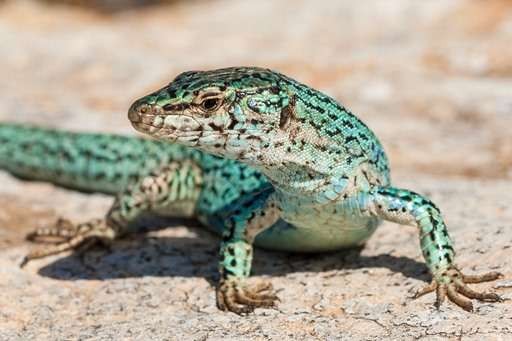
Terrestrial reptiles are also easily spotted on the islands, including the famous Balearic Lizard, also known as the Ibiza Wall lizard.
Useful links
About the author

Contact info

ISSN 2634-7032
London, United Kingdom
+44 0 7764 198 286