AllWays Traveller Features
Sensational Stays: Hot Springs

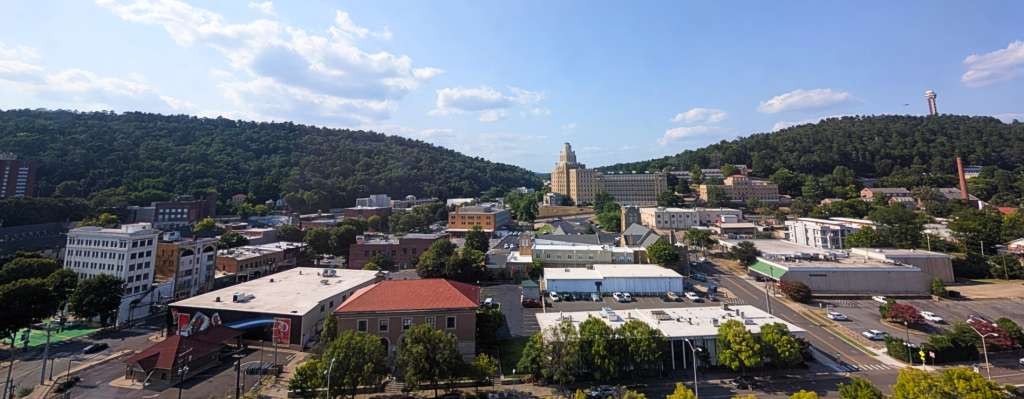
SPECIAL EDITION: Bathing on Bathhouse Row – Hot Springs, Arkansas is known for its natural thermal springs, which have for centuries attracted Native Americans, European explorers, and eventually modern travelers from across the globe. From the 1880s to the mid-20th century, the city thrived as America's premier health resort, reaching its peak in 1946 when more than a million baths were taken in a single year along bathhouse row. Today, only two of these federally protected buildings function as bathhouses, the Buckstaff and Quapaw. I have bathed at each, and here is a breakdown on what you need to know before visiting this National Park.
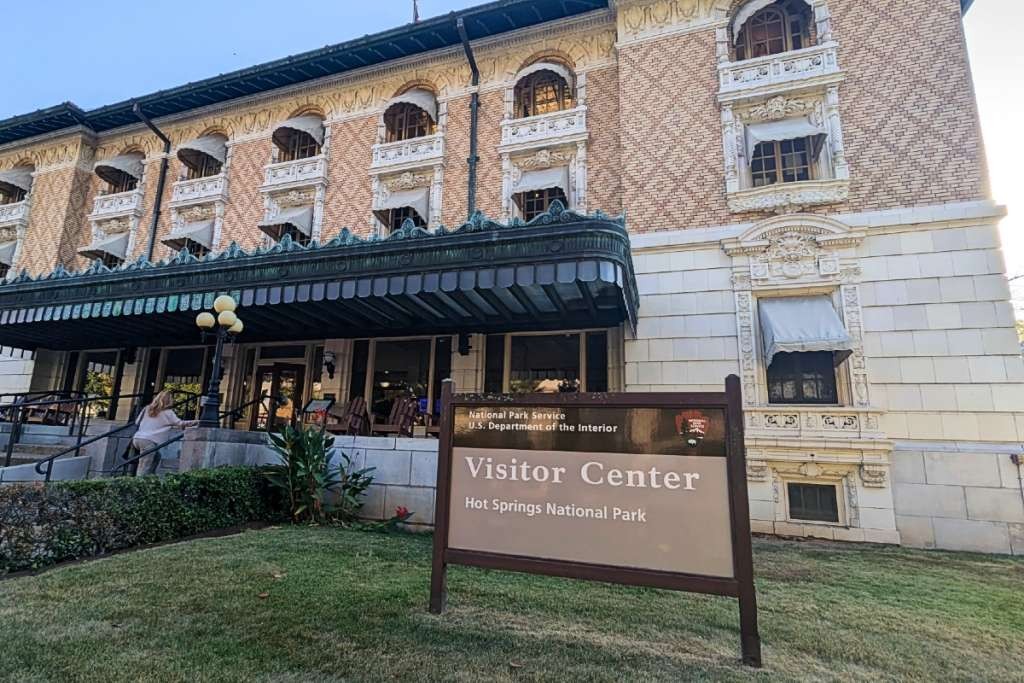
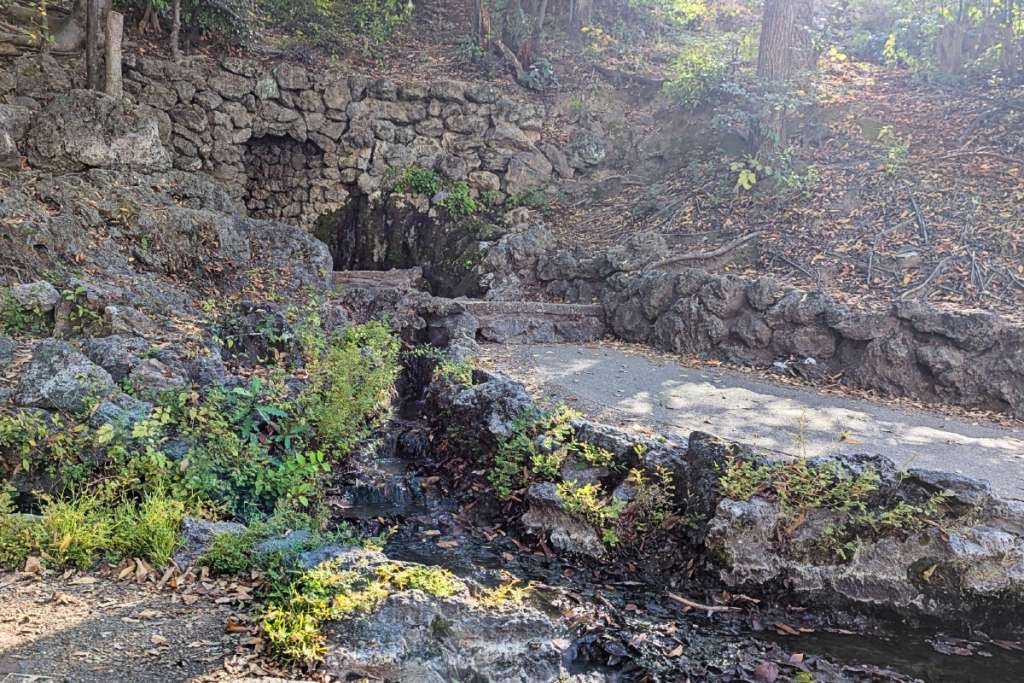
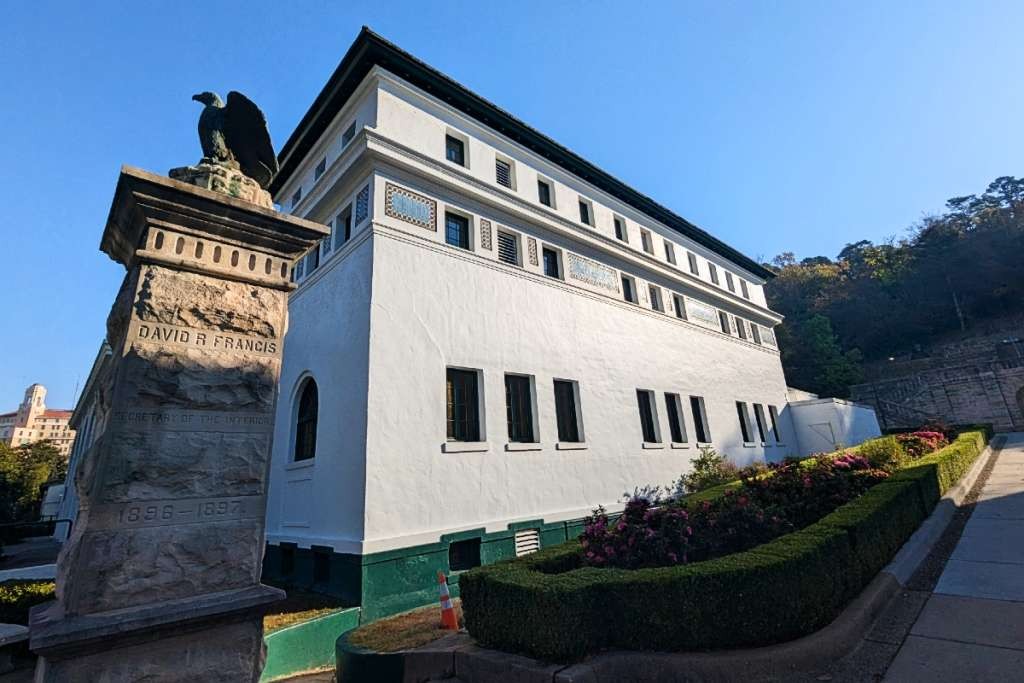
Long before the city of Hot Springs took shape, Native Americans made pilgrimages to the thermal springs flowing from the Ouachita Mountains, believing the 143-degree waters held healing powers. European explorers arrived in the 1500s, and by the early 19th century, the springs had caught the attention of settlers, doctors, and entrepreneurs eager to bottle, bathe in, and profit from the mineral-rich flow.
In 1832, the U.S. government designated the area as the first federal reservation—predating the National Park system—and protecting the springs for public use. Bathhouses sprung up along what is now Bathhouse Row, their popularity soaring during the "golden age" of spa culture.
Visitors still seek the waters for relief from ailments ranging from arthritis to skin conditions. Professional baseball players like Babe Ruth, Satchel Paige, and Cy Young all visited the waters as part of their off-season training. Modern medicine eventually lessened the springs' reputation as a cure-all, but the tradition of "taking the waters" never disappeared. Today, Hot Springs National Park preserves both the natural wonder and the architectural gems of Bathhouse Row, keeping alive a ritual that has been flowing for centuries.
THE WATER
Unlike many other thermal springs, the waters here contain no sulfur, meaning there's no "rotten egg" smell—just clean, neutral-tasting refreshment. The mineral profile includes calcium, magnesium, silica, potassium, and bicarbonates, elements long associated with therapeutic benefits. This purity has made the springs a source of both drinking water and hydrotherapy for centuries.
More than 700,000 gallons of water flow daily from 47 protected springs within Hot Springs National Park. The temperature remains remarkably consistent year-round, unaffected by surface weather. It is a sight to see in (what Arkansas calls) winter.
BUCKSTAFF
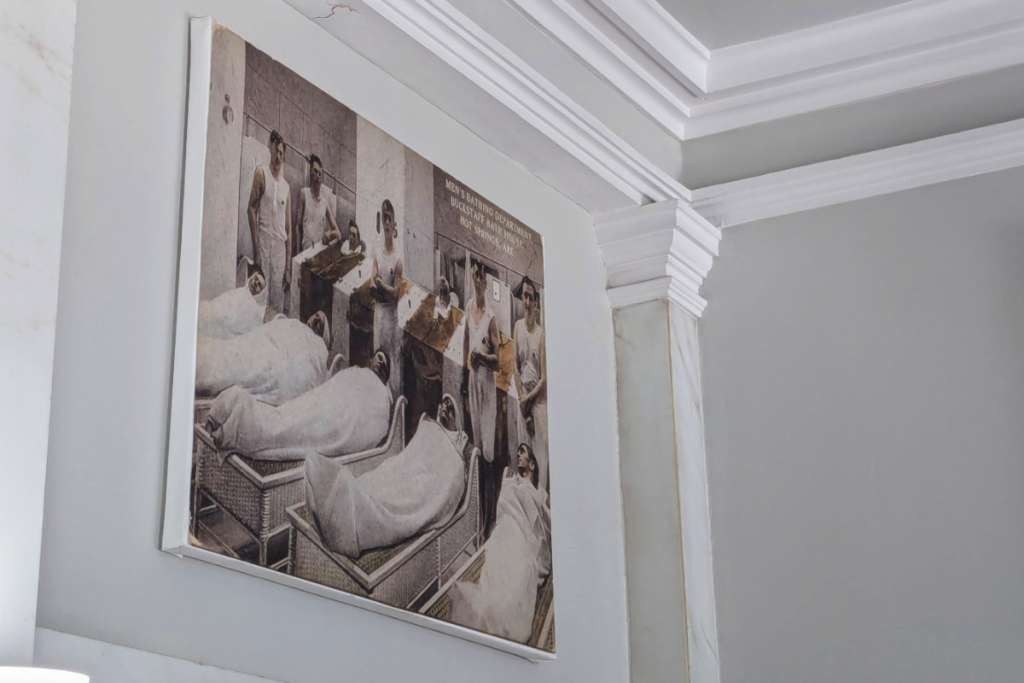
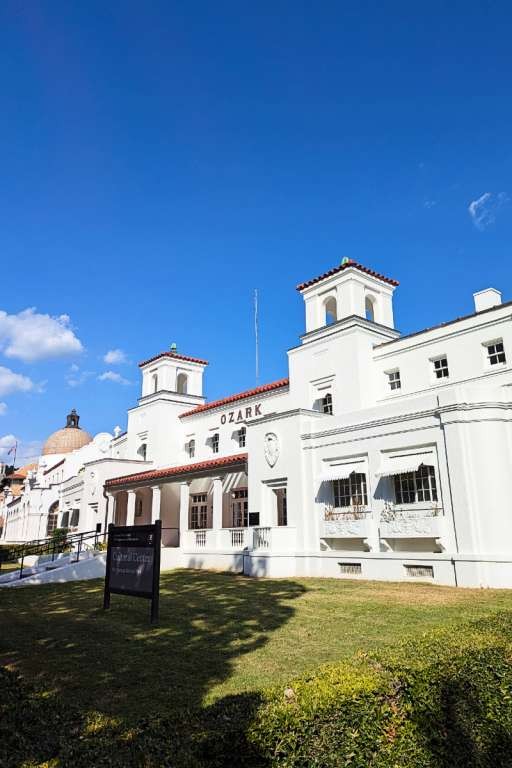
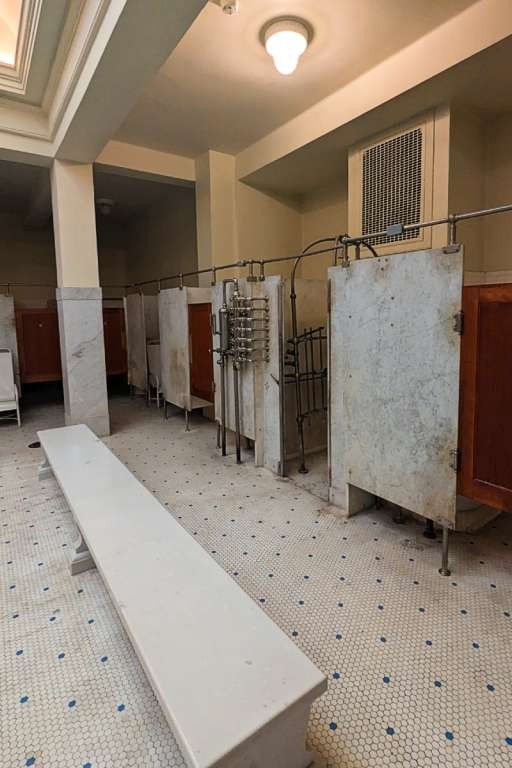
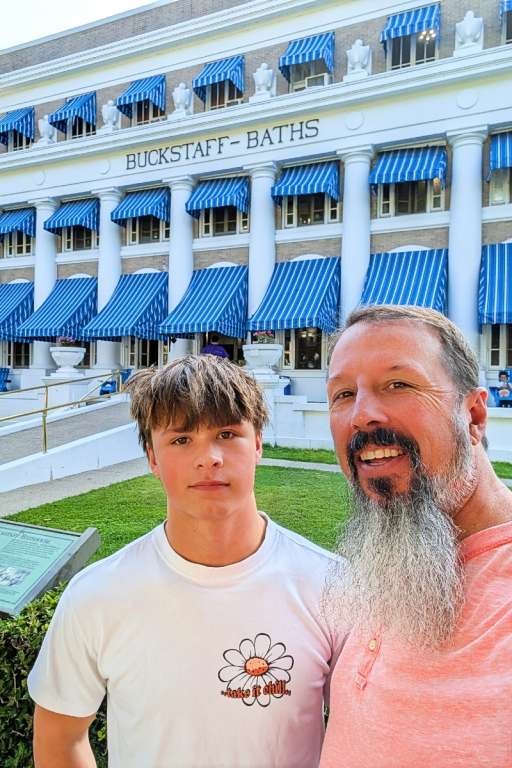
The Buckstaff Bathhouse has been keeping the art of the soak alive since 1912, offering visitors the same kind of experience guests enjoyed back when taking the waters was America's favorite health craze. The experience at the blue and white Buckstaff can be best described as industrial compared to a "modern" spa visit.
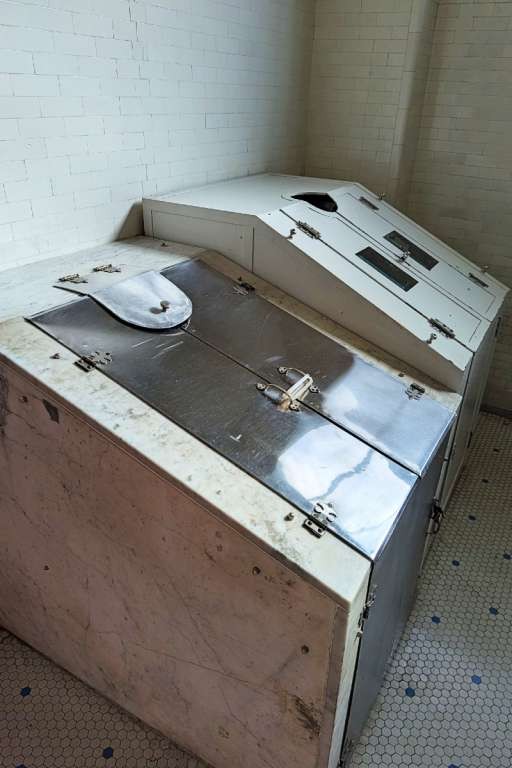
After securing belongings in a locker—with locker rooms designated male and female—and wrapping up in a modesty-preserving sheet, a personal bath attendant leads guests to a deep tub (long and deep enough for my 6-foot-plus frame). An optional loofah scrub precedes a swirling, 100-degree mineral water soak for the next 20 minutes. The journey continues through a circuit of classic treatments: a hot towel wrap, a sitz bath, a the most interesting part of the visit, the steam cabinet, where guests are jacketed in stainless steel except for the head. Visitors can opt to add a 20-minute massage to the wellness plan.
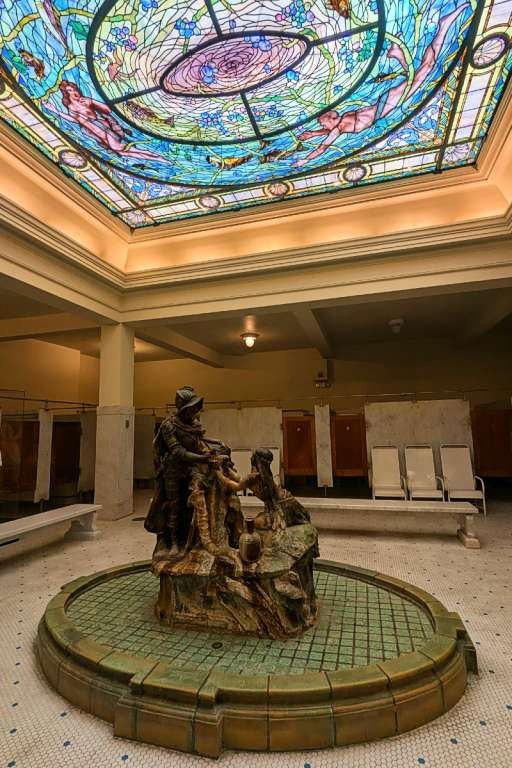
While housed in the original circa-1922 Spanish Colonial Revival building, the Quapaw puts a more modern spin on the Hot Springs bathing experience. The Quapaw (which was built over the Horseshoe and Magnesia bathhouses) closed in 1968, reopened, and shut down again in 1984. Now the Quapaw offers a variety of services beyond a bath, from blowouts to microdermabrasion facials.
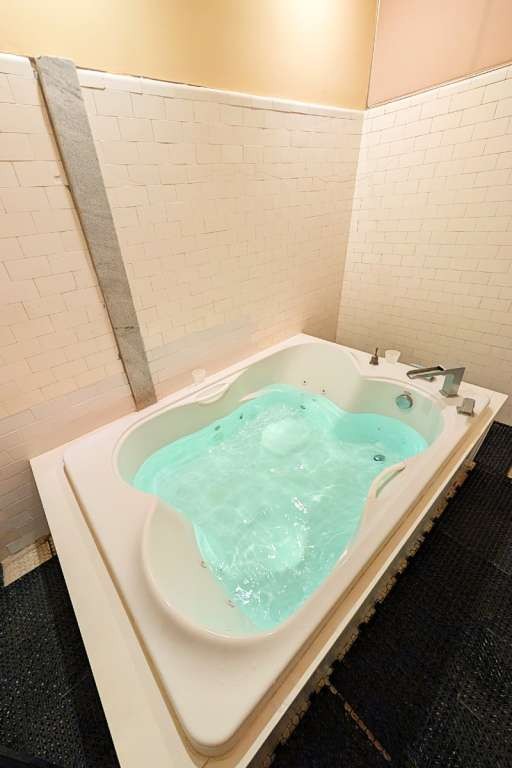
Baths at the Quapaw stray from the traditional by using modern jet spas with mood lighting and timer functions. The water remains the same, hot and mineral rich for a 20-minute soak, which guests can elevate with an inclusion of aromatherapy options. Bathing options range from individual and couples' tubs to indoor pool visits, which are open to the public and operate on a first-come, first-served basis.
TOP TIP: Do not be afraid to control your time in the steam cabinet. Ask an attendant to check on you at the halfway point of the treatment.

HELPFUL LINKS:
Visit Hot Springs https://www.hotsprings.org/
Buckstaff https://buckstaffbaths.com/
Quapaw https://quapawbaths.com/
When you subscribe to the AllWays Traveller, we will send you an e-mail when there are new updates on the site so you wouldn't miss them.
About the author

Contact info

ISSN 2634-7032
London, United Kingdom
+44 0 7764 198 286