AllWays Traveller Features
Tenerife becomes Europe's first Whale Heritage Area

Tenerife's West Coast has been declared a UNESCO World Heritage Site for cetacean conservation.
This makes it the first Whale Heritage area in Europe with the Responsible Watching certification, granted by the World Cetacean Alliance.
This highlights the value of the natural resource of the archipelago's coasts.
It also encourages the responsible observation of the area's dolphins and whales, turning the coastal strip between Tenerife and La Gomera into a sanctuary for the species.

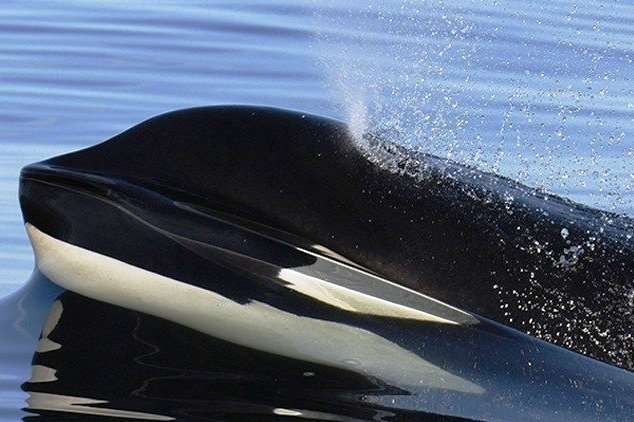

Here, a colony of more than 500 pilot whales live year-round throughout the 22km marine arm which separates Faro de Rasca and Punta de Teno.
Throughout the year, 26 of the more than 79 species of cetaceans, such as dolphins, orcas or blue whales, pass through the Canary Islands.
Many cetaceans can be sighted 20 minutes off the coast of the islands thanks to the depth of the waters and the mild climate of the Canaries.
The certification also ensures that whale watching in the marine strip between Tenerife and La Gomerais conducted in a responsible and habitat-friendly manner.
This marine area is home to over 1,500 species, ten of which are unique to the islands, including the bottlenose dolphin and loggerhead turtle.
It obliges boat owners to respect the watching shifts, as the cetaceans have a protection zone of 500 meters where only three boats can be at a time, and prohibits boats coming closer than 60m to the whales.
In addition to its UNESCO status for cetacean conservation, Tenerife two other areas declared World Heritage Sites by UNESCO.
These are the Teide National Park and the city of La Laguna.
There are also more than a dozen protected national and natural parks as well as a network of more than 60 km of trails.
Useful links
Location (Map)
About the author

Contact info

ISSN 2634-7032
London, United Kingdom
+44 0 7764 198 286