AllWays Traveller Features
The Grand Old City of York

York is a cathedral city with Roman origins and one of England's most attractive historic cities, situated where the rivers Ouse and Foss meet in North Yorkshire.
The city has long-standing structures including its city walls and a wealth of historic attractions, of which York Minster and The Shambles are perhaps the most prominent.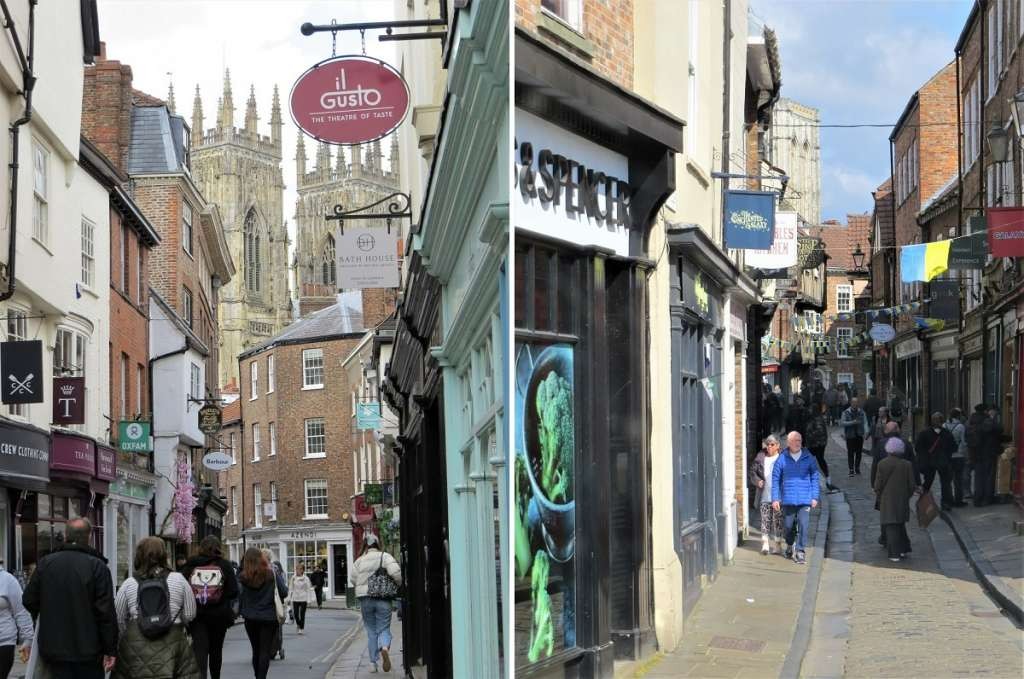
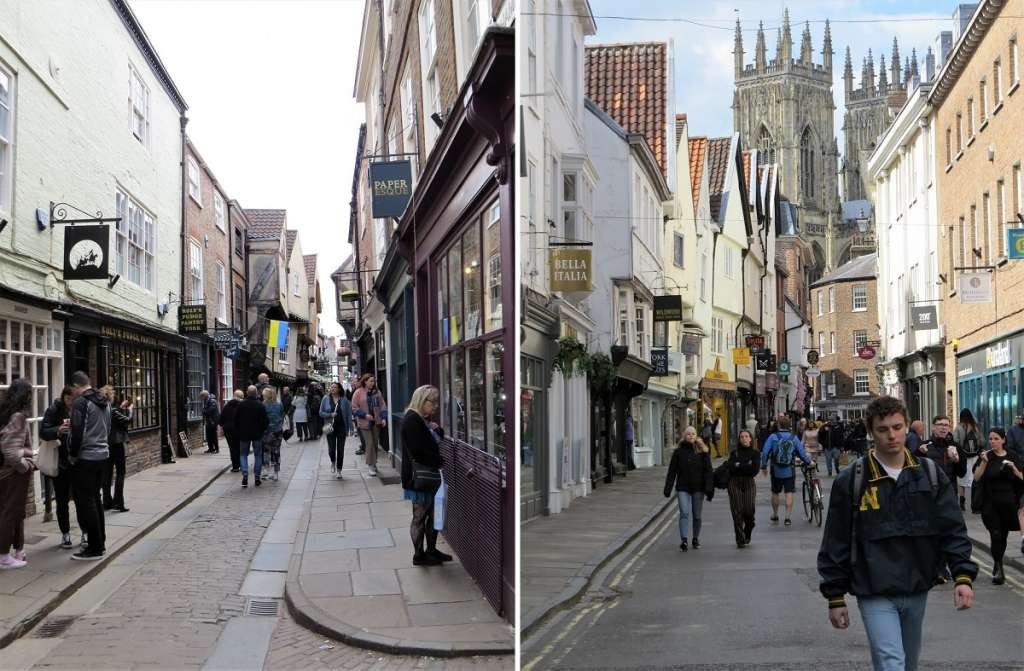
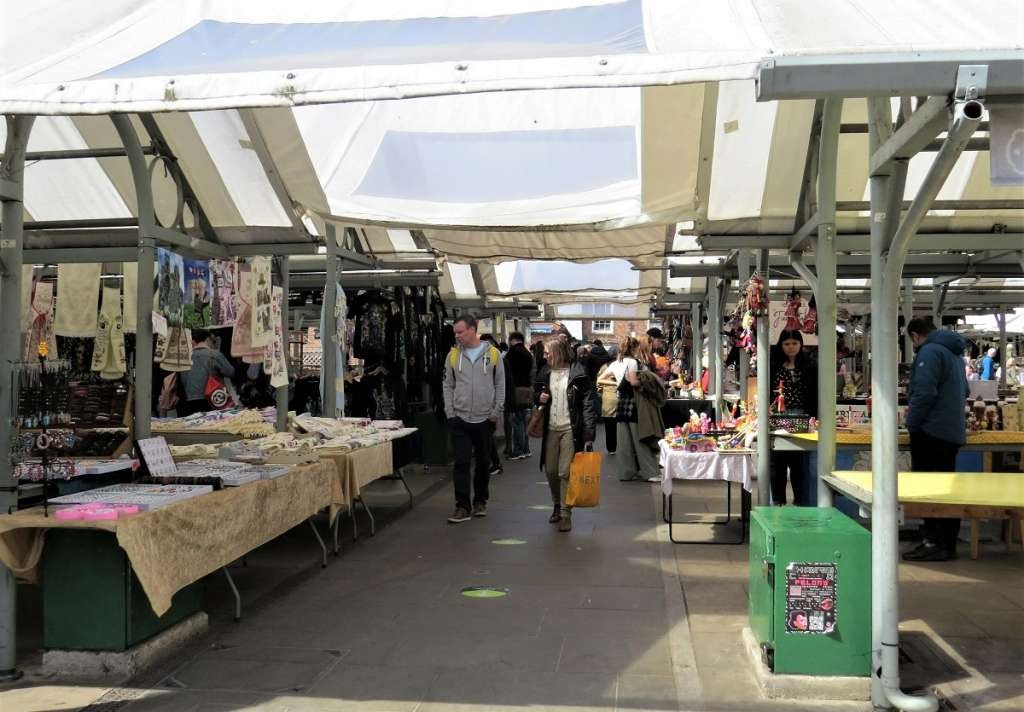
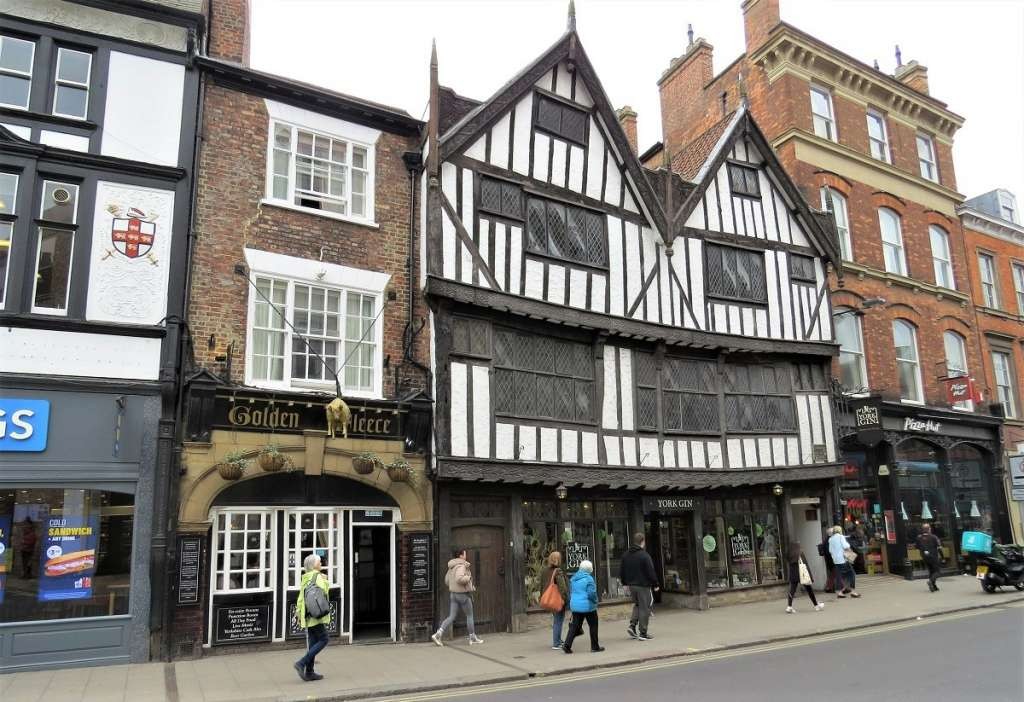
Earlier this year my wife and I arrived at Manchester Airport on a cold, grey April day as part of a lengthy trip to visit family and friends.
After an overnight stay at an airport hotel, we took the train to York, arriving at its imposing station which was the largest railway station in the world when it was built in 1877, then boasting 13 platforms. From our guest house we could walk to all the local attractions, and we started with The Shambles.
The Shambles in York is a narrow street of mostly timber-framed buildings that date back as far as the 13th century. It is arguably the world's most well-preserved medieval street.
It was originally home to butchers, about 30 of them, with each shop specialising in a different meat. While The Shambles is still home to a butcher, the rest of the street is now filled with a bright mix of mostly independent retailers including bakeries and bookstores.
Many of the old butchers' shops included a slaughterhouse at the rear and there was a rather unsanitary practice of washing away the offal and blood in the channels formed on both sides of the cobbled street.
Even though butchers no longer dominate the street, several of the businesses on the street still have meat hooks hanging outside and shelves displaying meat inside.
The name Shambles is often used to describe the general area surrounding the actual lane. There is also a thriving market of the same name (see thumbnails for photos).
The Shambles York | Plan your visit to the oldest street in York
The largest Gothic cathedral in Britain
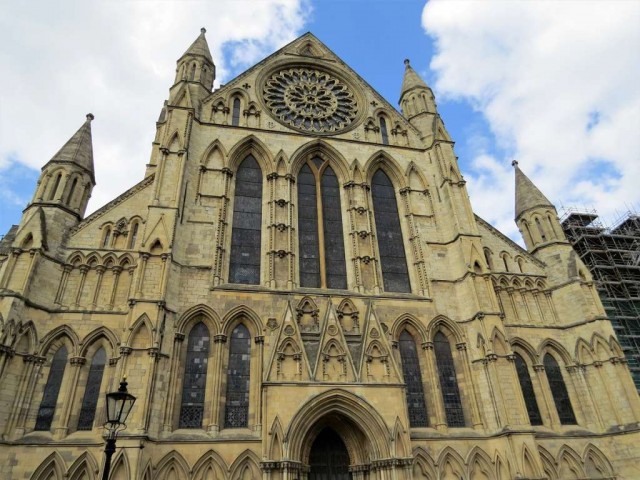
The first church built on the site of York Minster was a small wooden structure completed in the 7th century, from where the name Minster came – a word used to denote a monastery church in the Anglo-Saxon period. The original structure was replaced by one built of stone, but this was destroyed by fire in 1069.
It was the Normans who began building the genesis of the York Minster that exists today. Begun in 1080 and completed in 1100, a vast cathedral building was constructed, the remnants of which can still be viewed beneath the Minster today.
Over the following centuries York Minster was enlarged and renovated, with much of the work instigated in 1215 by Archbishop Walter de Gray, who reputedly wanted a Gothic cathedral for the north of England to rival Canterbury Cathedral in the south.
The medieval York Minster was deemed complete in 1472 with the addition of the north and south transepts, the nave, the Lady Chapel, the Quire and the western towers. The central tower which had collapsed in 1407 was also rebuilt. (In 1967 it was discovered that the central tower was again in danger of collapse. Over the following five years its foundations were shored up at a cost of £2 million.)
The Great East Window is the largest expanse of medieval glass to survive in England and was restored over a 10-year period completed in 2018. It is the earliest piece of English visual art to be produced by a named artist, glazed between 1405 and 1408 by John Thornton of Coventry. It depicts scenes from the books of Genesis and Revelations.
Commemorating the union of the royal homes of York and Lancaster following the Wars of the Roses, the Rose Window within the south transept dates from about 1500.
On 9 July 1984, flames were seen shooting from the Minster's south transept. A lightning strike had set fire to the wooden roof and the blaze was threatening to engulf the whole building.
Over 100 firefighters fought to save the Minster and did so only by deliberately collapsing the roof, using gallons of water to prevent the fire's spread. As well as the roof being destroyed, the Rose Window was badly damaged. All the glass was shattered, but the lead frame was largely unharmed. After extensive repair work over the following years, both the roof and Rose Window were fully restored.
York Minster's nave is the widest Gothic nave in England and one of the highest. This impression of height is enhanced by the large expanse of stained glass which allows light into the interior of the structure.
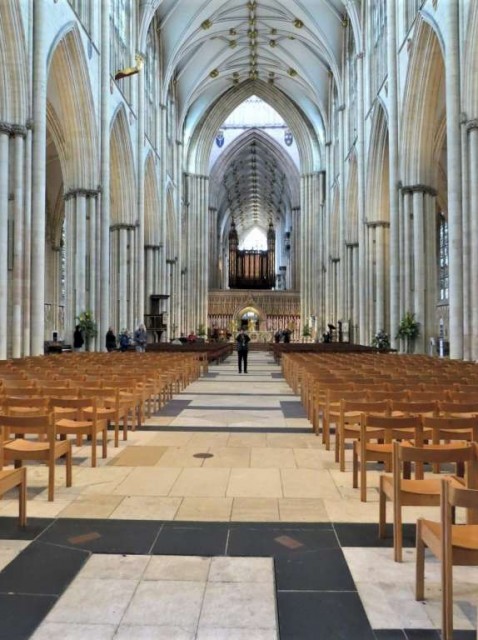
The magnificent Gothic Quire is where daily services are normally held. The grand organ, which towers above the space, has recently undergone a once-in-a-century refurbishment completed in March 2021.
Castle Howard
Just outside York is the stately home known as Castle Howard. Many people know it as the filming location for the 1981 British TV serial, Brideshead Revisited, but are unaware of its interesting history.
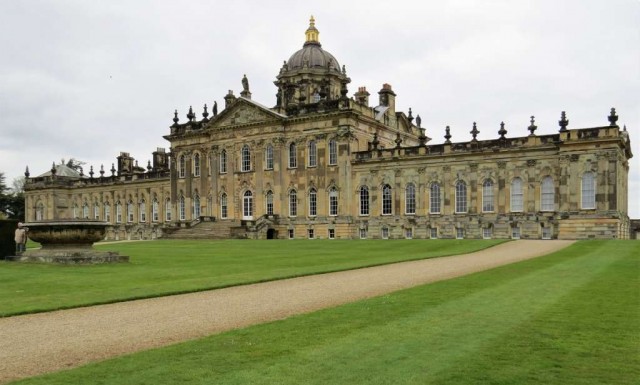
Although building work began in 1699, the construction of Castle Howard took over 100 years to complete, spanning the lifetimes of three Earls.
Charles Howard, the 3rd Earl of Carlisle, enlisted the help of his friend, architect and dramatist John Vanbrugh, who in turn recruited Nicholas Hawksmoor to assist him in the practical side of design and construction and between 1699 and 1702 the design evolved.
However, at the time of Vanbrugh's death in 1726 the house was still unfinished. It lacked a west wing as attention had turned to landscaping the gardens. It was still incomplete when the 3rd Earl died in 1738.
Little could both men have guessed that, when the house came to be completed by Carlisle's son-in-law, Sir Thomas Robinson, Vanbrugh's flamboyant baroque design would be brought back down to earth by the 4th Earl's conservative Palladian wing.
From the outside, the unbalanced appearance of the house provoked a mixed response, and many visitors noticed the disjointedness.
The construction of Castle Howard was finally completed in the early 1800s, but further alterations were to be made when the attic pavilions at either end of the West Wing were removed during the refurbishment of the chapel between 1870-1875, as part of a plan to bring both wings into greater harmony.
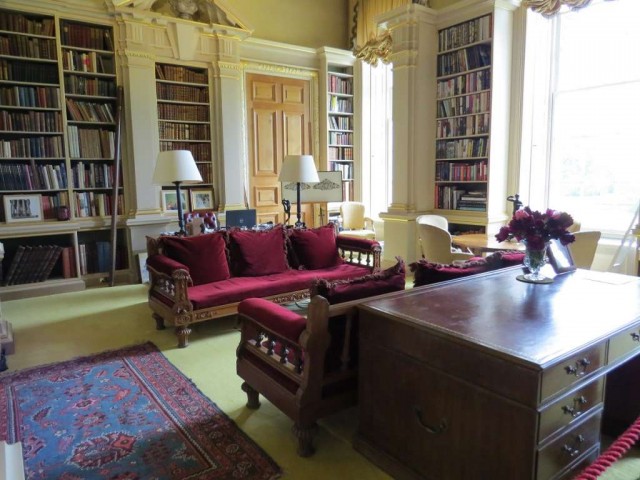
In 1940 fire once again played a role in the fortunes of a prominent building. A disastrous blaze swept through Castle Howard, destroying some rooms and damaging others. Temporary repairs were undertaken but it was 20 years before major renovations began, when George and Cecilia Howard achieved the restoration of Castle Howard, reopening it as a family home and eventually a major heritage attraction. Castle Howard has now been occupied by nine generations of the Howard family.
Castle Howard - A Place Like No Other
There is much more to see in York and indeed Yorkshire, including the sweeping natural beauty of the Yorkshire dales, the rugged sandy beaches of the county's coast and the starkly beautiful landscapes of the North York moors.
Useful links
Location (Map)
About the author

Contact info

ISSN 2634-7032
London, United Kingdom
+44 0 7764 198 286