AllWays Traveller Features
UNESCO biosphere reserves

UNESCO : The United Nations Educational, Scientific and Cultural Organization is a specialised agency of the United Nations aimed at promoting world peace and security through international cooperation in education, the sciences, and culture.
UNESCO biosphere reserves
UNESCO biosphere reserves seek to 'reconcile human activity with the conservation and sustainable use of biodiversity'.
They are a central element of UNESCO's research and awareness-raising work to foster innovative sustainable development practices and combat the loss of biodiversity supporting communities and Member States' understanding, valuing and safeguard the living environment.
New biosphere reserves are designated every year by the International Co-ordinating Council which has a rotating elected membership of 34 UNESCO Member States.
Sustainable development
Established by UNESCO in 1971 as an intergovernmental scientific programme, the Biosphere programme has pioneered the idea of sustainable development.
Traditional agriculture and herding have shaped the landscape, dominated in part by forests of Scots pine, fir, sessile oak and hook pine.
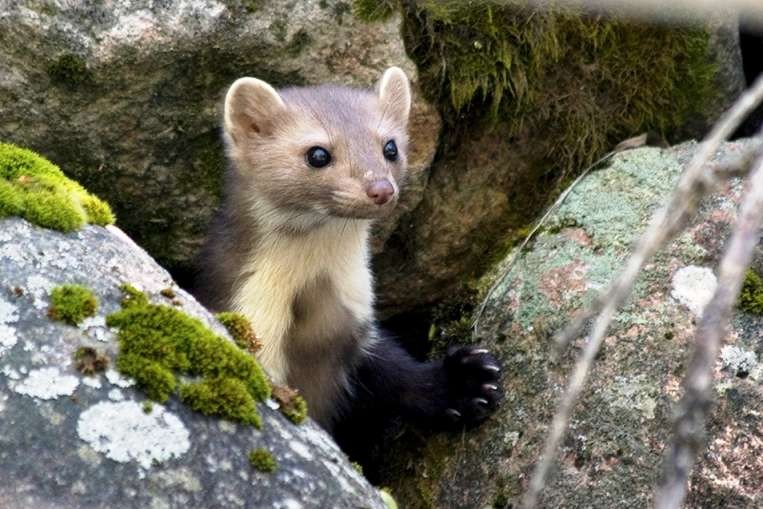
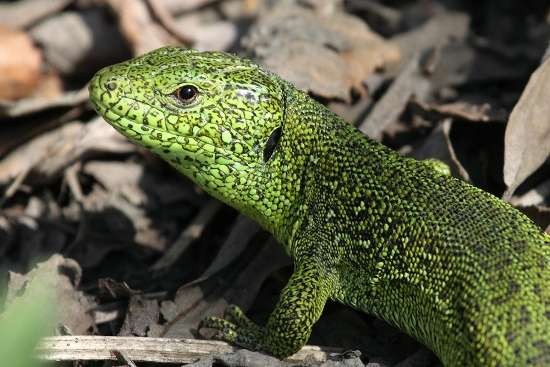
Protecting a number of rare and endangered species, Ordino is home to the great Tetra, emblematic of the Pyrenees, the bearded vulture and the Pyrenees lizard, and Lepidoptera (butterflies).
The main driver of economic development in the region has been tourism.
Reserves added in 2020
Island of Porto Santo Biosphere Reserve, Portugal
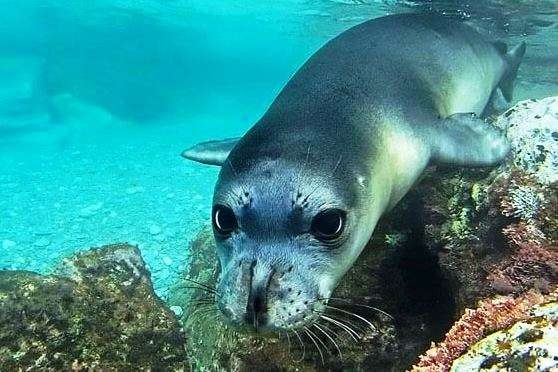
The biosphere reserve, located in the archipelago of Madeira, combines terrestrial and marine areas.
The reserve is home to several species of marine reptiles and mammals, notably
Merapi Merbabu Menoreh Biosphere Reserve, Indonesia
This reserve is located in central Java, in the Indo-Malayan region and takes in the Gunung Merapi and Gunung Merbabu National Parks and Sermo Wildlife Reserve.
Each is critical in protecting various endemic Javanese species.
Ordino Biosphere Reserve, Andorra
Located on the central axis of the eastern Pyrenees, in the north of Andorra, the Ordino Biosphere Reserve covers an area of 82.7 km².
W-Arly-Pendjari Transboundary Biosphere Reserve, Benin, Burkina-Faso, Niger
Comprising three existing biosphere reserves, the site straddles the borders of emblematic West African biogeographic regions, including Sahelian, Sudanian and Guinean.
Together they offer a varied biodiversity including wetlands of international importance recognised under the Ramsar Convention.
It also is a refuge for vulnerable and endangered species, including the cheetah (Acinonyx jubatus), elephant (Loxodonta africana), lion (Panthera leo), leopard (Panthera pardus pardus) and lappet-faced vulture (Torgos tracheliotos).
The biosphere reserve, which is a barrier against the advance of desertification from the north, covers more than 9,400,000 ha and is home to around four million inhabitants in the three countries, among them Gourmantches and Peulhs.
Both cultural groups maintain rich traditional rituals to ensure good crops and success in animal husbandry, their main economic activities.
Oueme Lower Valley Biosphere Reserve, Benin
The Oueme Lower Valley biosphere reserve, located on the south-eastern Atlantic shore of Benin, is a natural hotspot with Guinean equatorial biodiversity to the west and Congolese equatorial biodiversity to the east.
Its diverse landscapes notably include tropical and subtropical humid deciduous forests, grasslands, savannas and shrubs.
Bunaken Tangkoko Minahasa, W-Arly-Pendjari, Mwali
The nation state's largest island, Grande Comore (Ngazidja) is ringed by beaches and old lava from active Mt. Karthala volcano.
Around the port and medina in the capital, Moroni, are carved doors and a white colonnaded mosque, the Ancienne Mosquée du Vendredi, recalling the islands' Arab heritage.
Mwali Island is home to an exceptional biodiversity of regional and global significance with high rates of endemism among different groups of flora and fauna, both on land and in the sea.
It is recognized as an area of high conservation priority by the Ramsar Convention.
With a fertile volcanic soil and a permanent hydrographic network, the area could potentially increase its agricultural production, which is a challenge due to its fragile ecosystem.
The area's enormous ecotourism potential is, moreover, still untapped and could contribute to the region's sustainable development in the future.
Bunaken Tangkoko Minahasa Biosphere Reserve, Indonesia
The Bunaken Tangkoko Minahasa Biosphere Reserve in North Sulawesi is in the heart of the Coral Triangle of the Indo-Pacific Region in Indonesia.
The area encompasses a mosaic of ecological systems including a coastal area with coral reefs and seagrass, mangrove and coastal forests and islands.
The reserve is home to over 130 species of mammals including the Dian's tarsier. The region profits from the production of cocoa, coffee, fisheries, and ecotourism.
The reserve has freshwater, coastal and marine ecosystems and is home to west African lungfish (Protopterus annectens annectens) and marine turtle species (Dermochelys coriacea, Eretmochelys imbricta).
These ecosystems complement those of the Mono Biosphere Reserve on the south-western Atlantic shore of Benin.
This rich diversity is also reflected in its cultural and religious aspects, with 10 languages spoken.
Mwali Biosphere Reserve, Comoros
The Comoros is a volcanic archipelago off Africa's east coast, in the Indian Ocean waters of the Mozambique Channel.
Fogo Biosphere Reserve, Cabo Verde
Cape Verde is an island country in the central Atlantic Ocean, with 10 volcanic islands in its archipelago.
Cape Verde forms part of the Macaronesia ecoregion, along with the Azores, Canary Islands, Madeira, and the Savage Isles
Embracing the youngest and only volcanically active island in the south of the Cabo Verde archipelago, the Fogo Biosphere Reserve rises to an altitude of 2,829 metres.
It is home to various indigenous species, such as birds and reptiles, including the rare endemic López-Jurado's Half-toed Gecko (Hemidactylus lopezjurado), Vaillant's Mabuya (Chioninia vaillantii xanthotis) and marine turtles (Green turtle and Olive Ridley).
Its 37,000 inhabitants mainly make a living from the cultivation of fruit, coffee, vegetables and vineyards famous for their volcanic terroir.
Maio Biosphere Reserve, Cabo Verde
This mostly marine biosphere reserve is home to several endemic species, including turtles and cetaceans, as well as an abundance of fish, seabirds and marine reptiles.
One of the most arid places in the country, Maio features gorgeous beaches, which, alongside its festivals, craft markets and historic heritage, attracted a growing number of tourists in recent years.
Most of the island's population of 7,000, make a living from the production of maize, beans, melons and salt, as well as tourism.
Almaty Biosphere Reserve, Kazakhstan
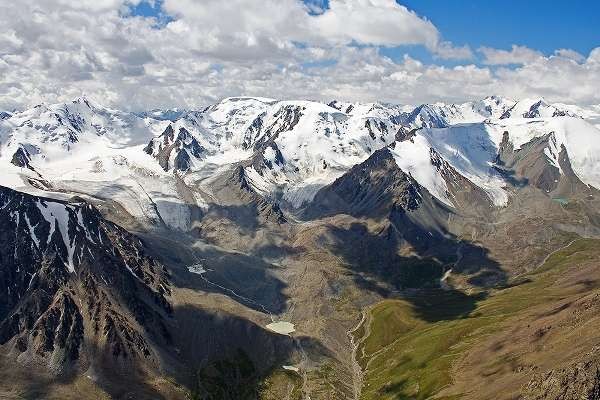
The Almaty Biosphere Reserve is located on the Zailiysky Alatau ridge, on the watershed of several river basins featuring a number of lakes.
Its wild fruit forests, predominantly consisting of wild apple trees, are home to diverse fauna, including 177 bird and almost 1,000 insect species.
Well over 1,000 species of plants are protected in the biosphere reserve, and 2,300 animal species have been documented.
The biosphere reserve aims to develop eco-tourism, as well as sustainable animal husbandry and agriculture, which are major sources of income in the area.
West Altai Biosphere Reserve, Kazakhstan
Located on the border of the Russian Federation, in the North-Eastern part of East Kazakhstan, the mountain-taiga forests of West Altai Biosphere Reserve are largely untouched.
They include the only black taiga forests in the country, as well as Siberian and dark taiga.
Wolverines and musk deer live in the biosphere reserve, which is on the seasonal migration routes of wild ungulates, such as elk, deer and wild boar.
The local fauna includes more than 160 bird species, 129 of which nest in the region including black stork, golden eagle, peregrine falcon, gray crane, eagle owl.
Mining and agriculture, mostly for wheat, potato, sunflower and beet crops, are the main economic activities in the biosphere reserve.
Minett Biosphere Reserve, Luxembourg
Located in densely populated southern Luxembourg and bordering France, the biosphere reservehas the country's second largest concentration of inhabitants and employment after the capital.
The region has a long tradition of hospitality towards immigrants resulting in a multicultural, dynamic and cosmopolitan population of over 150 nationalities.
Formerly a mining area, most of the mines in the biosphere reserve have been reclaimed by vegetation, creating a great variety of natural habitats.
Karimunjawa-Jepara-Muria Biosphere Reserve, Indonesia
The Karimunjawa-Jepara-Muria Biosphere Reserve in Central Java is located in the mountainous region surrounding Mount Muria.
The biosphere reserve is critical in preserving the biodiversity of the central region of the island of Java. Its three protected regions encompass more than 120,000 hectares including :
The reserve features a large variety of ecosystems including small islands, marine ecosystems, lowland and mountain tropical rainforests. Most of the biosphere reserve's inhabitants live off traditional agriculture and fishing.
Addu Atoll Biosphere Reserve, Maldives
Addu, the southernmost atoll of the Maldives, has 30 islands, with 17 of these uninhabited.
It is one of the most diverse coral reef ecosystems in the Maldives including lagoons, reef passes, seagrass beds, sandbanks, coral islands, lush tropical vegetation, mangroves, wetlands, brackish lakes locally known as kilhis, agricultural land and residential areas.
About 14,352 ha of its 17,174.40 ha are marine areas, with abiodiversity that includes over 1,200 fish species.
It is an important habitat for migratory birds.
Most of the inhabitants make a living from fisheries and tourism related to underwater sports.
The Maldivian atolls are severely threatened by rising sea levels due to climate change and by an increasing number of invasive alien species.
The establishment of Addu Atoll Biosphere Reserve reinforces ongoing efforts to manage coral reef ecosystem services through sustainable development.
Asterousia Mountain Range Biosphere Reserve, Crete, Greece
Uninterrupted human presence since the Neolithic Age has left Asterousia, in the southern part of Crete, with a rich archaeological heritage of scattered human settlements set in mountainous landscape of natural and semi-natural habitats.
There are also natural areas of high ecological value hosting more 55% of the island's animal and plant species.
The Asterousia Mountain Range is the southernmost mountainous area of Europe.
Toson-Khulstai Biosphere Reserve, Mongolia
The Toson-Khulstai Biosphere Reserve is located in North-Eastern Mongolia between forest steppe and grassland.
It is part of the world's largest intact temperate grassland, and the reserve aims to protect the low mountains, rolling hills, and dry steppe habitat of the Mongolian gazelle and other wildlife.
These include the endangered White naped crane, the upland buzzard, steppe eagle and Siberian marmot.
An agreement was reached with the nomadic herder communities who live seasonally in the area to ensure sustainable grazing practices.
The livelihood of 200 herder families largely depends on ecosystem services in the reserve including grazing and freshwater.
Fuvahmulah Biosphere Reserve, Maldives
A large island in southern Maldives, the biosphere reserve encompasses an entire atoll ecosystem.
It embraces the most diverse of coral ecosystems in the country with healthy habitats and unique coral sand beach formations.
The surface of the island is in the form of a very shallow bowl with two mangroves and wetlands (locally known as Kilhi) at medial low points, forming two small linked sub-catchments.
These Kilhis have influenced the lifestyle of the island's inhabitants, who make a living mostly with tourism, small-scale fishing and agriculture.
Bosques de Neblina – Selva Central Biosphere Reserve, Peru
Located in the Amazon basin, in a transition area between the Andes and the Amazon forest, the site shares its northern border with the Oxapampa-Ashaninka-Yanesha Biosphere Reserve.
Even though less than 10% of the region's biodiversity have been catalogued, Bosques de Neblina hosts species of high bio-ecological value, with strong levels of endemism.
Emblematic species include the vulnerable Andean bear (Tremarctos ornatus) and the Andean cock-of-the-rock (Rupicola peruvianus).
The Pampa Hermosa Natural Sanctuary, one of the last remaining tropical montane forests in the region.
The Pui Pui woods, are of paramount importance for the protection of river headwaters, which provide safe freshwater to the population.
It is home diverse population groups including Quechuans and Ashaninkas.
Agriculture, forestry and fishing are important sources of income.
Panna Biosphere Reserve, India
Panna, in the state of Madhya Pradesh in central India, offers forests and marshy vegetation, with an abundance of rare medicinal plants.
It is a critical tiger habitat area and hosts the Panna Tiger Reserve, as well as the World Heritage site of the Khajuraho Group of Monuments.
The area has undergone substantial ecosystem restoration in the buffer zone.
With only three urban centres and over 300 villages, agriculture is the main source of income, together with horticulture, forestry, and culturaland eco-tourism.
Hadejia Nguru Bade Biosphere Reserve, Nigeria
Located in the Sudan-Sahelian zone of Nigeria, in the Lake Chad basin, the reserve encompasses the first Ramsar site designated in Nigeria, the Bade Ngruru Wetland, as well as the Baturiya Game Reserve, a former community forest.
The seasonal rising of the Hadejia and Jama're rivers flood lands and uplands in the states of Bauchi and Kano, as well as the Jos Plateau, home to many resident and migratory bird species.
The region is recognized globally as internationally important for bird conservation.
The Kanuri, Bade, Hausa and Fulani makes up the biosphere reserve's culturally and socially diverse population of close to 932,000 inhabitants.
The creation of the biosphere reserves is part of a regional effort to improve knowledge of Lake Chad's natural resources and build capacity for the sustainable management of these resources.
Oban Biosphere Reserve, Nigeria
Oban Biosphere Reserve, in the Cross River State in the south-eastern corner of Nigeria, encompasses the Oban Forest Reserve, Cross River National Park and the Obudu Plateau.
It harbours a significant portion of Nigeria's remaining tropical rainforest, with 1,568 plant species of which more than 80% are endemic.
The reserve will be crucial in protecting megafauna such as the critically endangered Cross River Gorilla, Nigeria-Cameroon Chimpanzee, forest elephant other rare and endangered species.
Approximately 28,000 inhabitants live within the biosphere reserve, who belong to three main tribal groups: Ejagham, Durop, and Dusanga-iyong iyong.
The Ekuri Initiative, created with the Ekuri people, an indigenous forest-dependent community.
Their aims are to protect their identity, culture and knowledge of the local ecosystems.
It covers conservation and sustainable forest management to address loss of biodiversity, the migration of species and community development.
Okangwo Biosphere Reserve, Nigeria
In the Coastal Evergreen Rainforest along the Gulf of Biafra, Okangwo is in the north of the Cross River National Park on the edge of the Cameroon Highlands between the Cross and Sanga Rivers.
This combination of river systems provides the basis for a unique wealth of biodiversity.
Faunal species in the area include the African elephant (Loxodonta Africana), African buffalo (Syncerus caffer nanus) and bushpig (Potamochoerus porcus pictus), as well as the critically endangered Cross River Gorilla (Gorilla gorilla diehli).
The forest is a source of timber and non-timber forest products such as bush mango, rattan canes, medicinal plants and bushmeat.
This, with tourism, provides a livelihood for its populations.
Black River Gorges-Bel Ombre Biosphere Reserve, Mauritius
Formerly the Macchabee/Bel Ombre Biosphere Reserve, the new biosphere reserve is characterized by a high level of endemism and identified by Birdlife International as an important bird area.
Local communities in the reserve are taking part in a range of conservation initiatives including coral reef plantation, beach and lagoon clean ups, environmental education activities, and long-term research projects to conserve threatened flora and fauna.
The reserve's new name refers to the remnants of the native forest found mainly in Black River Gorges National Park.
Kologrivsky Forest Biosphere Reserve, Russian Federation
The landscape of Kologrivsky Forest in the north-eastern part of the Russian Plain features landscapes influenced by human activities as well as undisturbed southern taiga ecosystems.
It comprises pine forests, spruce forests, small-leaved forests, marshes, meadows and water reservoirs.
There are over 1,000 species of flora and fauna registered in the biosphere reserve, including four floral and 13 fauna species inscribed on the Red List of Threatened Species of the Russian Federation.
That list also includes some birds nesting in the reserve, among them the willow ptarmigan (Lagopus lagopus rossicus), the osprey (Pandion haliaetus), the eagle owl and the azure tit (Parus cyanus).
Gishwati Mukura Landscape Biosphere Reserve, Rwanda
The Gishwati Mukura Landscape Biosphere Reserve is located in the Albertine Rift in Rwanda. Globally recognized biodiversity hotspot, the area hosts a variety of endemic and endangered species, such as the Eastern chimpanzee and the Golden monkey.
The biosphere reserve has a population of approximately 337,782 living in rural areas.
Their main economic activities include agriculture through sustainable land management, silvopasture, agroforestry and tourism.
North-East Tobago Biosphere Reserve, Trinidad and Tobago
The North-East Tobago Biosphere Reserve presents a rare, largely intact, Caribbean Island Ridge-to-Ocean ecosystem that includes the world's oldest tropical rainforest reserve.
The Tobago Main Ridge Forest Reserve, established in 1776, encompasses 83,488 ha, with a marine area of 68,384 ha that is home to coral reefs and mangroves.
Overall, 1,774 species have been recorded in its 19 habitat types and it is home to globally unique and endangered plants and animals including 83 IUCN Red List species and 41 endemic species.
By joining the World Network of Biosphere Reserves, the community aims to revitalize cultural and spiritual bonds between people and nature and boost the preservation of this fragile and remarkable human and natural landscape.
Extensions to existing biosphere reserves:
Dja Biosphere Reserve, Cameroon
First designated in 1981, Dja Biosphere Reserve in southern Cameroon has been increased from 800,000 to 1,328,097 ha,.
Socio-culturally and ecologically sustainable economic and human activities are managed with local communities, including the Baka and Bantou (Badjoué, Bulu, Fang, Kaka and Nzimé) communities.
The biosphere reserve encompasses part of the Congo Basin Forest and a Natural World Heritage site, the Dja Faunal Reserve.
It is home to one of the most important colonies of Picathartes oreas (Grey-necked Rockfowl) in the world, as well as the critically endangered western lowland gorilla (Gorilla gorilla gorilla), chimpanzees, the giant pangolin, panthers, elephants and hornbills.
Falasorma-Dui Sevi, France
Formerly known as Vallée du Fango Biosphere Reserve, this extended reserve in Corsica, covers 86,429 hectares of land and sea.
It stretches from the highest mountains of the island (Punta Minuta, 2,556 m) to a maximum depth of 1,300 m below sea level in the Gulf of Porto.
The reserve takes in diverse habitats known for their wildlife and flora including 20 animal species and nearly 150 endemic Corsican or Corsican-Sardinian endemic plant species.
The permanent inhabitants of the biosphere reserve rely on agriculture, fishing, handicrafts, and tourism between April and October, for their livelihood.
Its new name reflects the area's Corsican identity using the local name of the Vallée du Fango while Dui Sevi (Deux-Sevi) designates the communes in the transition area.
Mount Kenya – Lewa, Kenya
The revised zones of the biosphere
reserve covers 568,553 ha, comprising Mount Kenya, an extinct volcano with one of the largest standing indigenous closed canopy forests in the country.
There is also the Lewa Wildlife Conservancy and the Ngare Ndare Forest landscape.
The landscape which straddles the Equator with the forest at the foot of the mountain provides a unique ecosystem for species such as the Bongo (Tragelaphus eurycerus), black and white rhinoceroses (Diceros bicornis and Ceratotherum simum), the African elephant (Laxodonta Africana) and the Kenyan black fronted duiker (Cephalopus nigrifrons hooki).
The multi-stakeholder management of the site has supported collaborative research and monitoring projects which notably include tree planting for the rehabilitation of degraded forest areas and ecotourism.
Useful links
When you subscribe to the AllWays Traveller, we will send you an e-mail when there are new updates on the site so you wouldn't miss them.
About the author

Contact info

ISSN 2634-7032
London, United Kingdom
+44 0 7764 198 286