AllWays Traveller Features
Why I Love New Orleans

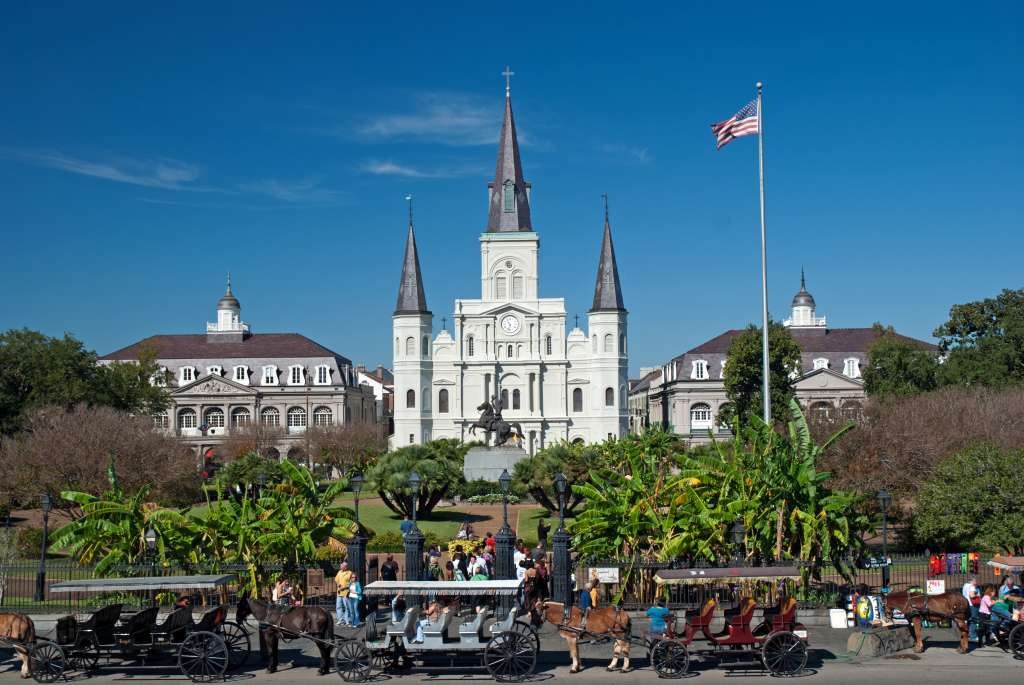
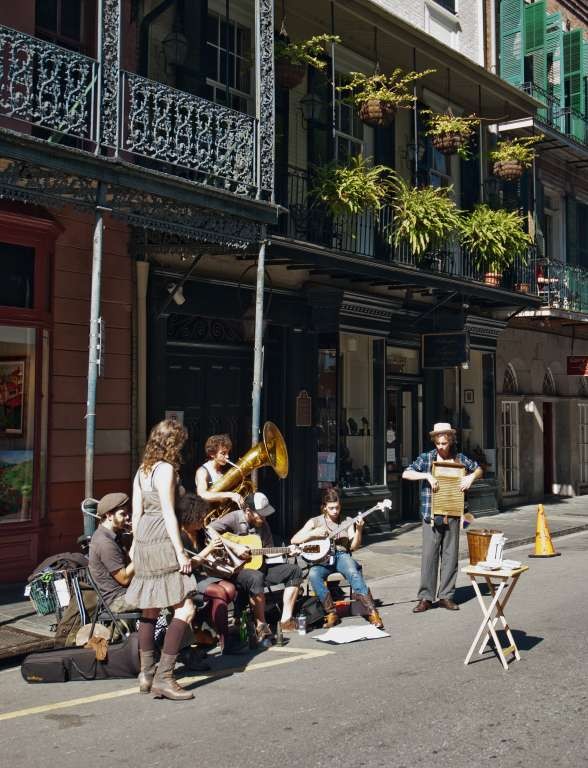
New Orleans is a city that has donuts without holes. It has horse drawn carriages that take you past a beautiful white church and into one of America's oldest neighborhoods where you can hear music nearly all the time. Jazz was invented here.
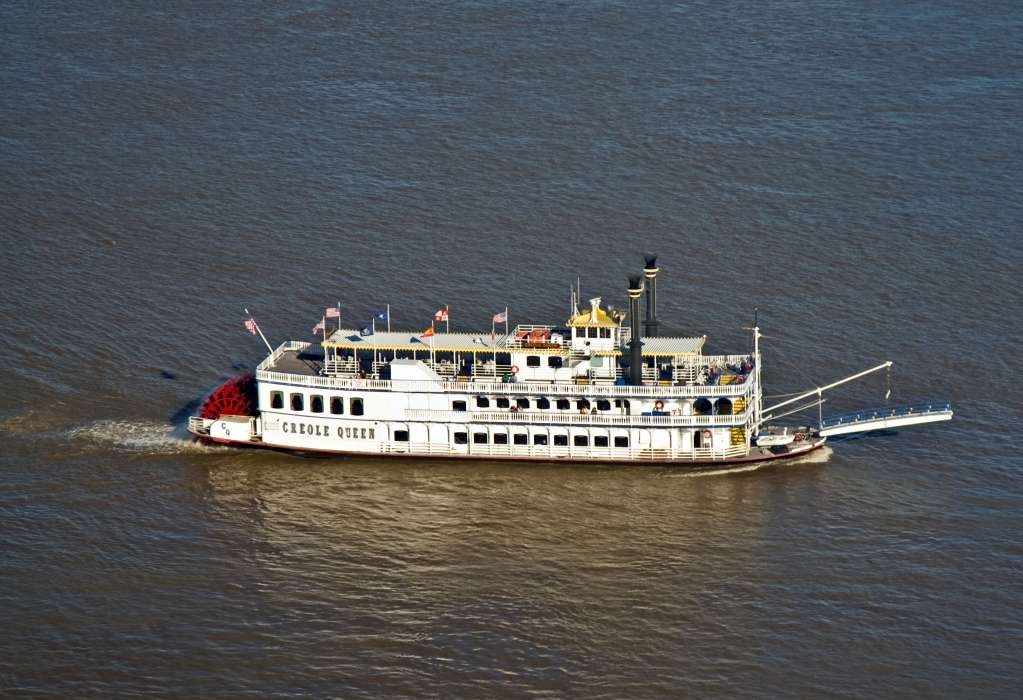
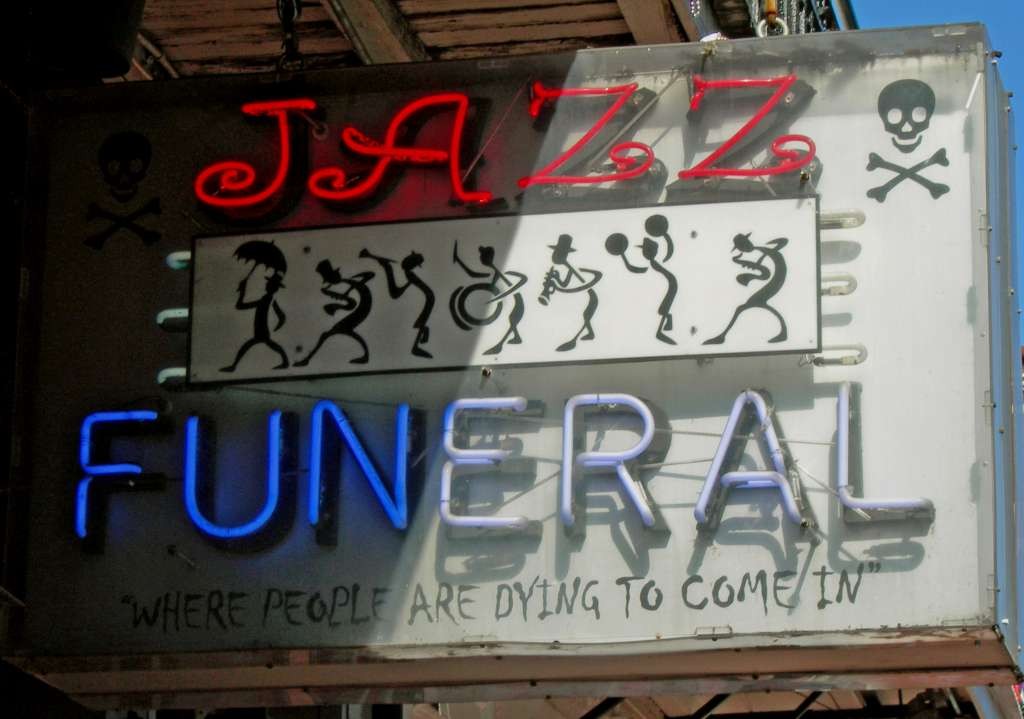
It has sternwheelers that ply the river to antebellum plantations where you walk under a canopy of Oak trees. It has restaurants that serve Cajun and Creole specialties like Red Beans with Rice, Jambalaya and Crawdads. It has streets that flood nearly every time it rains hard. It is the home of Jazz funerals and marble cities of the dead. If that is not enough to make you love this city at the mouth of the Mississippi, then come and visit it and find your own reasons
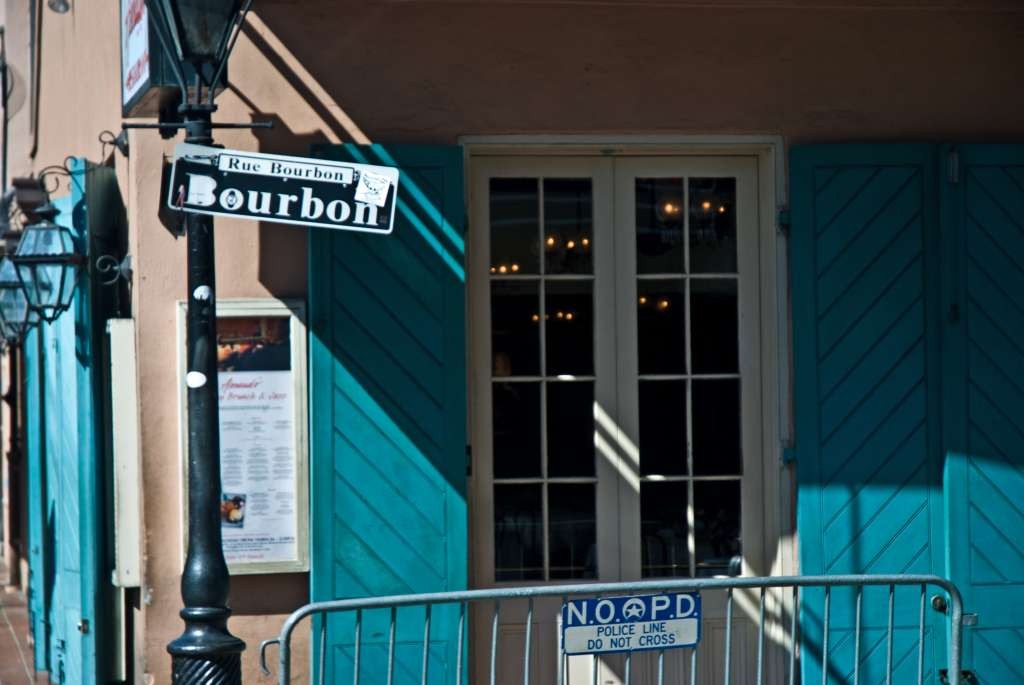
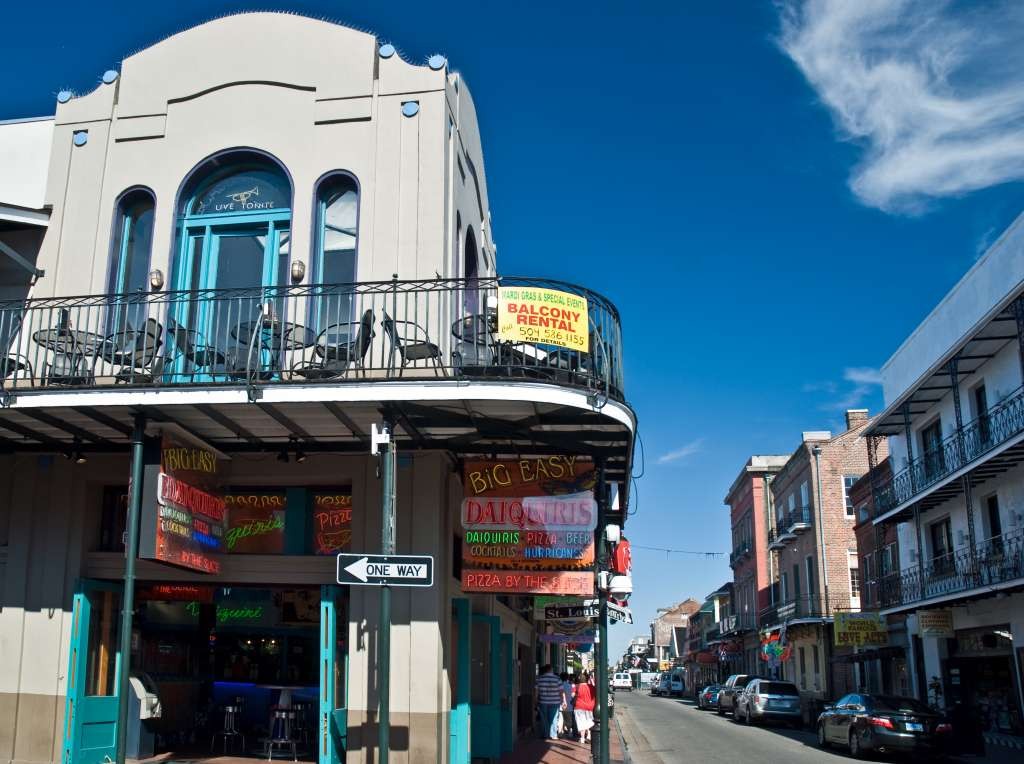
The night air in New Orleans even in October wraps you in a warm blanket of humid air scented with the aromas of deep south. I could not wait to explore the nearby French Quarter. Even on a week night, Bourbon Street and the neighboring alleys and roadways were teeming with people. I stepped in to the first saloon where I heard the Blues. I enjoyed a plate of red beans and rice while listening to the sad refrains the guitar player plucked out. I was in New Orleans. I wandered into several more clubs and bars during my evening without ever being but a few hundred yards from my hotel on the riverfront.
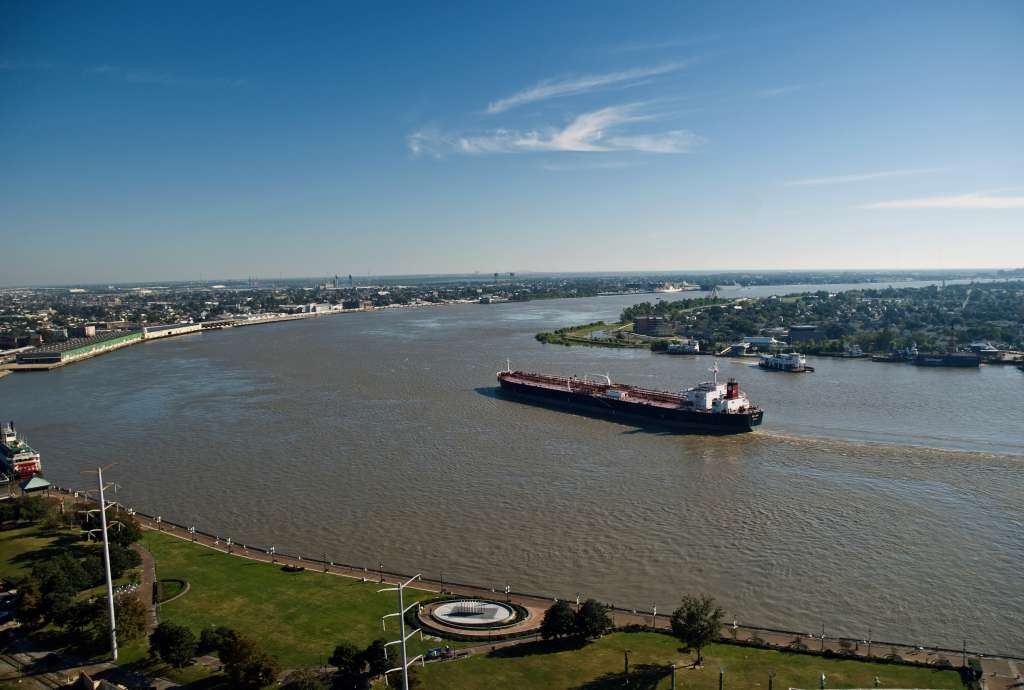
I awoke the next morning and looked out on the most famous river in America as a cargo ship made its way downstream toward the Gulf of Mexico. A walk along Decatur street toward the French Market leads you past the historic Jackson Square. The statue of Andrew Jackson guards the front of the triple steeples of the St. Louis Cathedral. Its white exterior was brilliant in the morning light. The street in front of the square was filled with horse drawn carriages waiting for their morning customers.
Andrew Jackson was from Tennessee and was President. His statue and square in New Orleans are because of his defense of the city in the War of 1812 against the British which made him famous. A battle fought after the war had ended.
A morning in New Orleans would not be complete without a Beignet and a chicory flavored Cafe au Lait at the nearby Cafe Du Monde. These square French donuts do not any holes and are covered in powdered sugar. There is almost always a line here for these delicious French treats. This quaint French style restaurant opened in 1862 and is open 7 days a week except Christmas and during hurricanes.
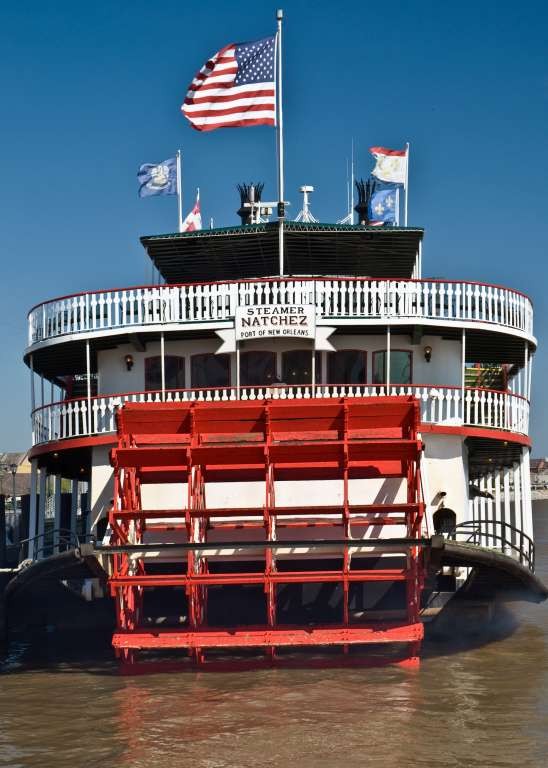
Along the mile-long Riverwalk, I saw a stern wheeler called the Natchez, that gives river rides to tourists most days. This is a great way to see the city from the river while having a sunset dinner to Jazz or an afternoon harbor cruise. This area has great public art and an air-conditioned shopping mall too.
I was approached by one of most friendly and loquacious street hawkers I have experienced. He was so engaging I ended buying a baseball cap for $20.This guy was funny. He told me about a local tour booth that had the best deals on plantation tours, so I sauntered up to the little plywood booth and signed up for one.
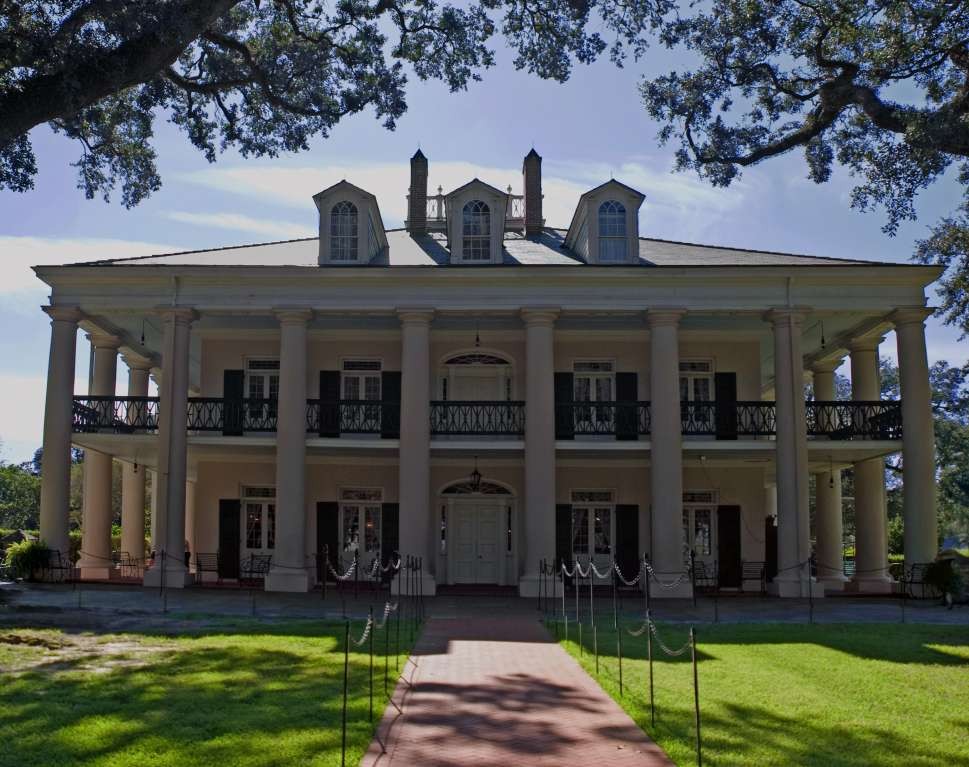
Oak Alley is a postcard southern plantation with the requisite large two-story manor house with columns and wraparound porch.The front of the house faces a long entrance road covered with 300-year-old Oak trees. They create nearly a tunnel over the road with their long wooden arms. Tour guides dressed in period costume guide you through the rooms as they tell you the history of the plantation which was built in 1839.I could almost see the Master and his wife sipping Mint Juleps on the porch of this antebellum mansion.
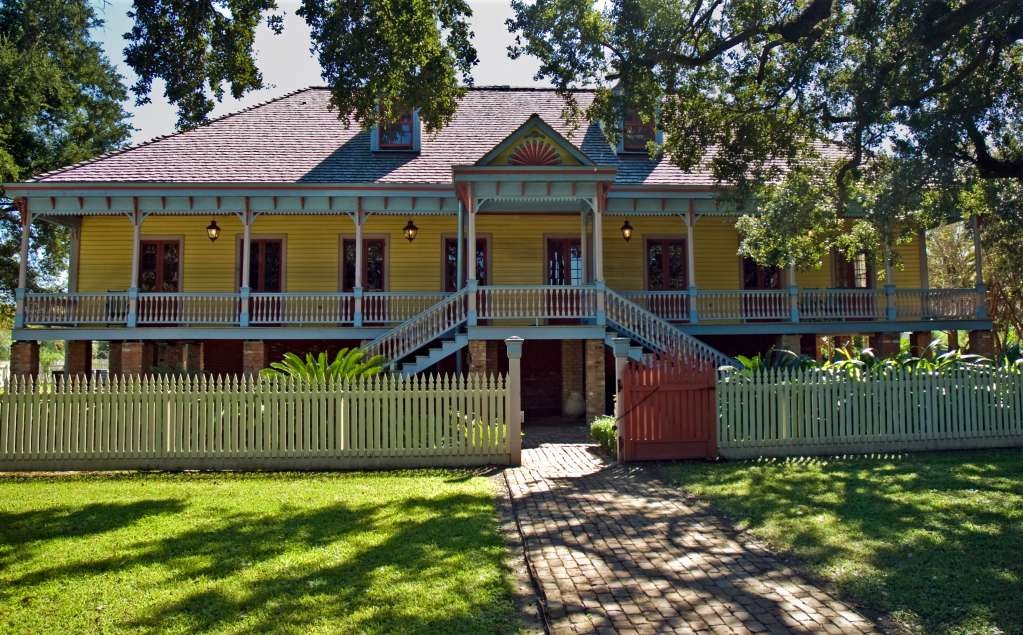
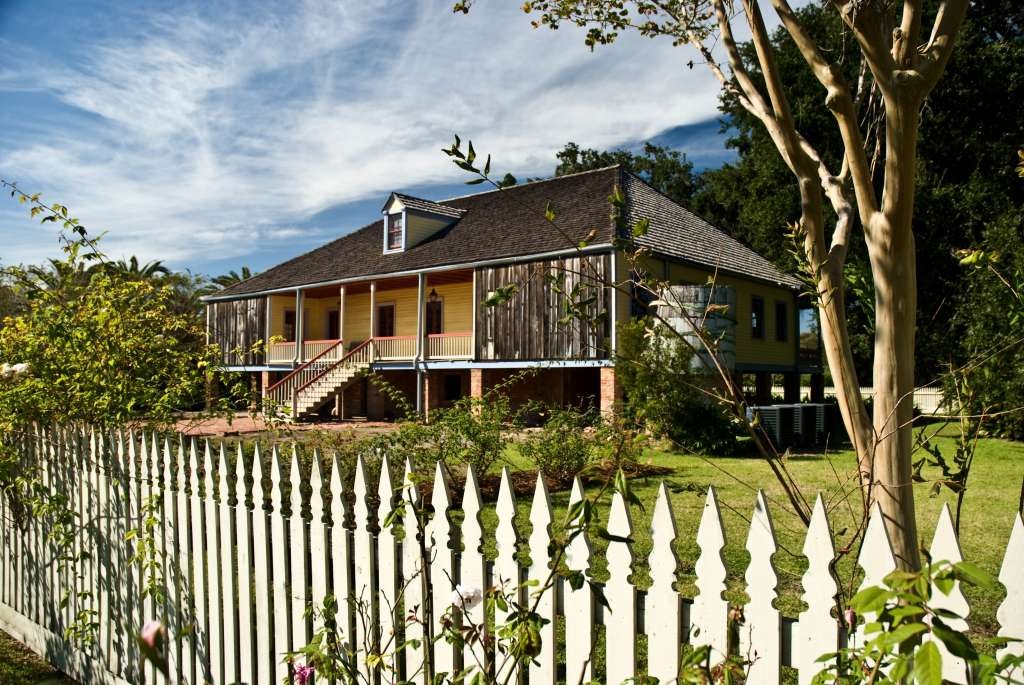
In contrast, The Laura plantations has a French Creole style "Big House" and original slave cabins. This home was built in 1805 and was also a sugarcane plantation. The single main floor sits above an open brick foundation basement. The architecture is quite different than Oak Alley. The original slave cabin held two families in a very small single room. Laura has a lot more outbuildings and you get a better understanding of a working plantation than at Oak Alley.
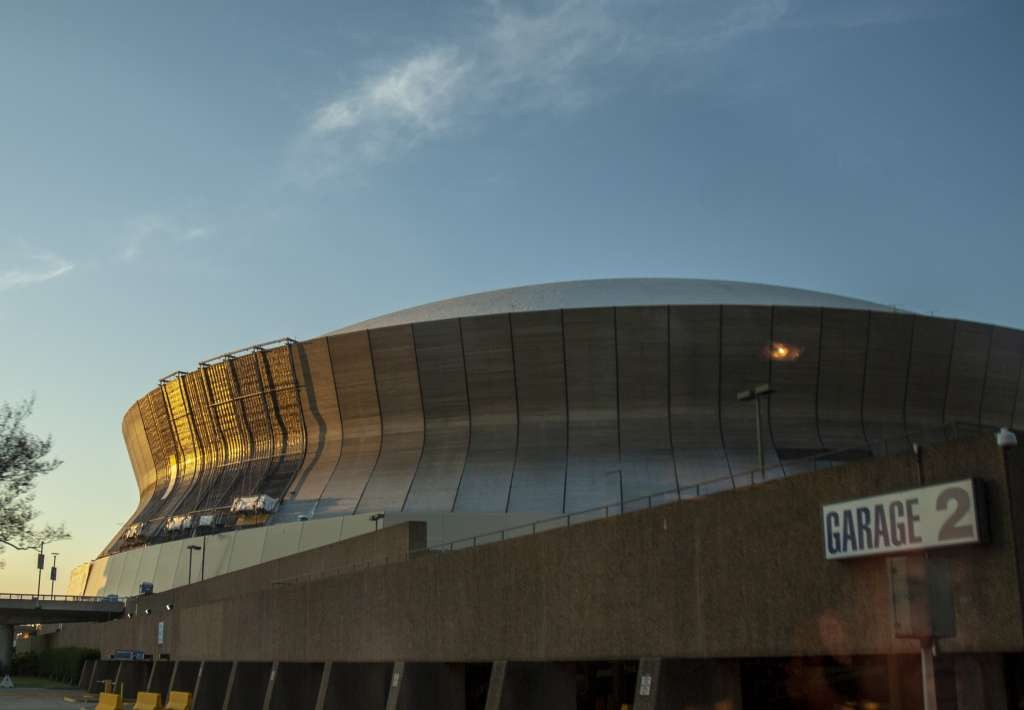
I highly recommend a tour of New Orleans to see the sights outside of the French Quarter. The New Orleans Superdome still looks like a giant alien spaceship landed in the middle of the city. The Lower Ninth Ward was devastated during Hurricane Katrina in 2005. You can still see some of the abandoned house with marks left by those searching for the missing. Much of New Orleans sits below sea level and is surrounded by a wall of levees and dikes.
The mansions of the garden district show just how affluent New Orleans society was in the antebellum days. Don't miss riding on one of the streetcars here. The St. Charles line is the oldest operating street car line in the U.S.
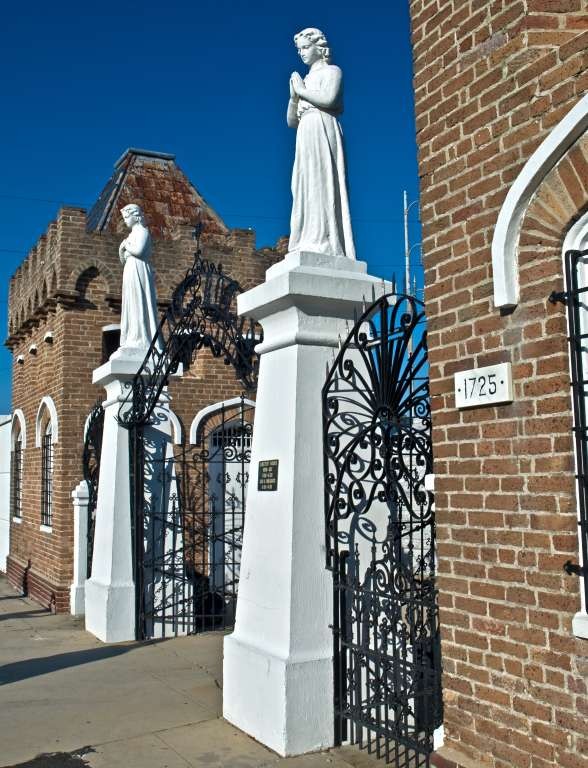
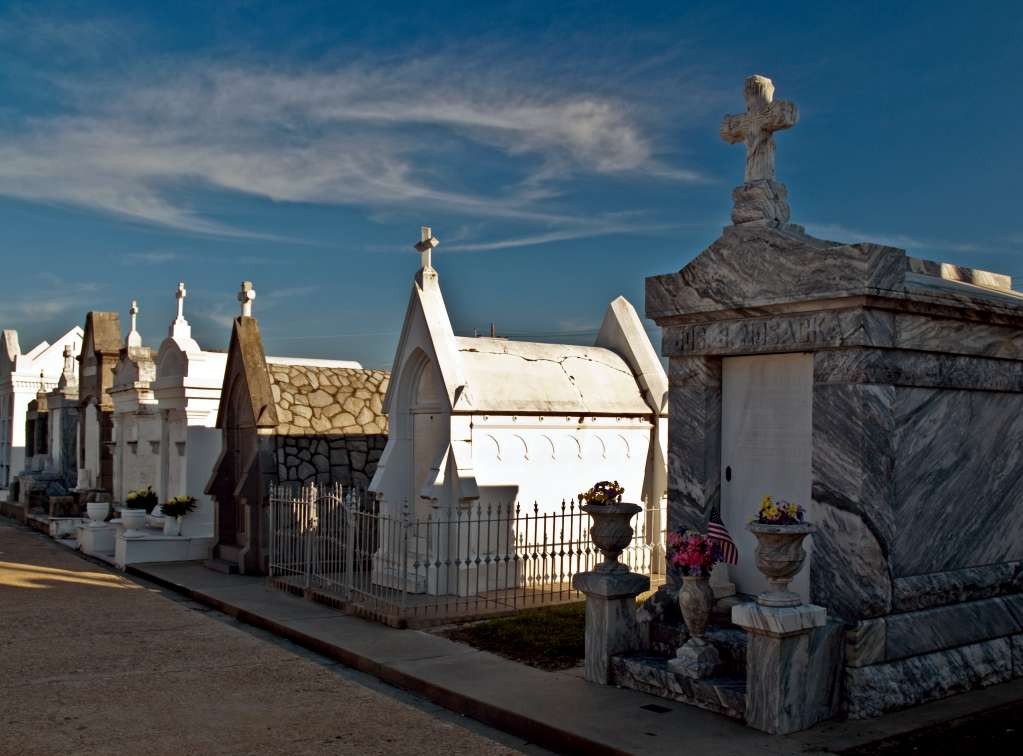
The cemetery at St. Roch is unusual in that all the graves are above ground due to the shallow water table. You walk thru a metal gate guard by two white angels to walk among rows of marble and stone shrines of this city of the dead. The Chapel is the centerpiece of the cemetery that is dedicated to St. Roch, who was credited with saving this neighborhood from a yellow fever epidemic in the 19th century. he chapel has a room filled with prosthetics from worshippers who claim to have been cured of their disabilities by the saint of dogs and good health.
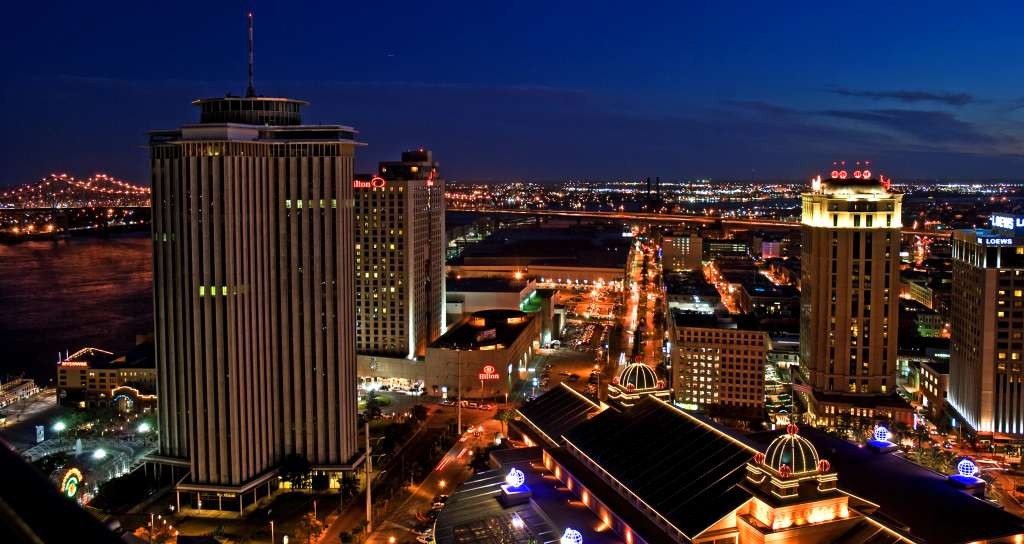
New Orleans is lovely in the sunshine, but it really comes alive at might. While it doesn't have the impressive skyline of New York or San Francisco. It has a southern charm that those two cities don't. I took in the views of the Crescent City Connection Bridge (the CCC) lit up at night as its crosses over Ole Man River, before my final evening visiting to the French Quarter to peel a few crawfish.
New Orleans has survived wars, floods, and hurricanes. Its people reflect the French, Spanish, and American influences on their lives. It is uniquely American city with a culture and flavor of its own. I think you can understand why I love New Orleans.
Useful links
www.neworleans.com
About the author

Contact info

ISSN 2634-7032
London, United Kingdom
+44 0 7764 198 286